
SpaceX throttles Grok Bot usage limits citing unsustainable costs
SpaceX has significantly reduced usage limits for its Grok Bot AI agent, citing unsustainably high operational costs. The move follows reports of sudden usage caps for paid users and Elon Musk’s confirmation that the throttling was intentional. Separately, SpaceX’s Starship rocket, central to NASA’s Artemis lunar missions, continues to advance as the most powerful rocket ever built.

Editor, Lazyfounder
Grok Bot’s usage limits slashed due to cost concerns
SpaceX has reduced the usage limits for Grok Bot, its AI agent, after users reported sudden depletion of their weekly allowances over Halloween weekend. According to TechCrunch, some users saw their usage meters jump from as low as 50% to 100% overnight, even without increased activity.
Elon Musk confirmed the throttling was intentional, stating that Grok Bot’s operational costs were "unsustainably high" relative to revenue. In response to a user on X, Musk asked whether a higher-usage plan priced at "more than $200" would be too expensive, signaling potential adjustments to Grok Bot’s subscription model.
The reduction in limits follows rapid growth for Grok Bot, which SpaceX launched in August. By early October, it had amassed 800,000 paid weekly users, more than doubling its user base in a month, as reported by SpaceX President Gwynne Shotwell. Despite this growth, Grok Bot’s compute demands have raised concerns about long-term sustainability.
SpaceX’s 'Super Intelligence' division, which oversees Grok Bot, reported a $431 million profit in a recent filing. However, Musk noted that this figure would have been higher without $1.2 billion in one-time costs tied to the acquisition of Cursor, an AI coding assistant. AI now accounts for 52% of SpaceX’s total income, per the filing.
Industry trend toward compute rationing
SpaceX’s move reflects a broader industry shift toward managing AI compute costs. Other companies, including OpenAI and Meta, have implemented or planned usage limits and compute rationing to balance growth with profitability. OpenAI, for instance, announced it would merge the allowances for ChatGPT and Codex next month, offering higher-paying subscribers larger usage limits.
Cursor, a competing AI coding tool, faced its own challenges over the weekend, with users reporting issues with billing and usage tracking. These incidents underscore the operational hurdles companies face as they scale AI products while grappling with high infrastructure costs.
Starship’s role in NASA’s Artemis program
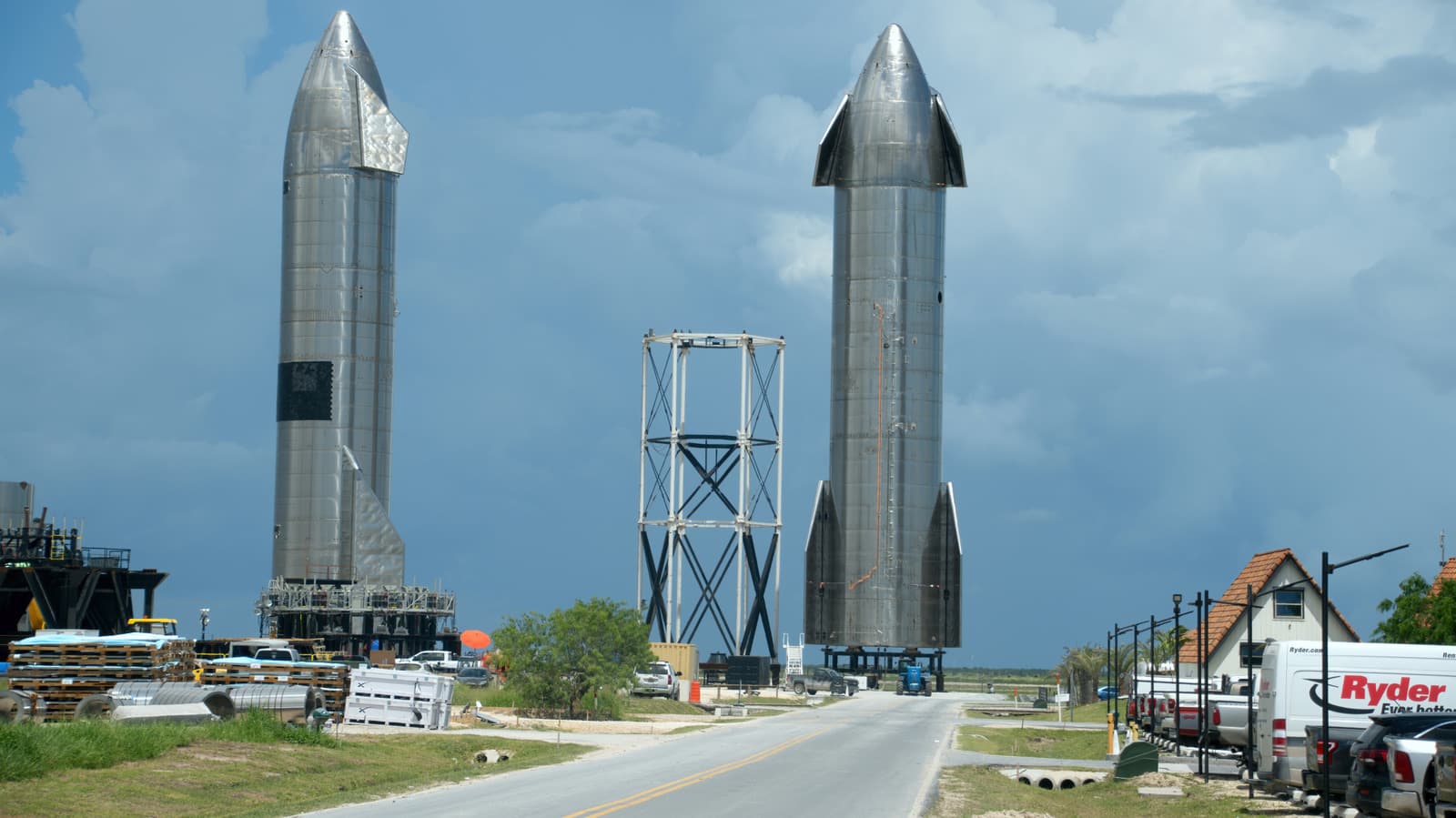
Separately, SpaceX’s Starship rocket, the tallest and most powerful rocket ever flown, continues to play a pivotal role in NASA’s Artemis program. According to Engadget, Starship stands at 407 feet—taller than the Statue of Liberty—and generates 18.1 million pounds-force of liftoff thrust, nearly double that of NASA’s Space Launch System.
The rocket’s two-stage design includes the 236.2-foot Super Heavy booster, powered by 33 Raptor engines, and the 170.6-foot Starship spacecraft, which uses three regular Raptor engines and three Raptor Vacuum engines for space operations. SpaceX intends to recover and reuse both stages, a key differentiator for its lunar mission architecture.
For NASA’s Artemis program, Starship will require in-orbit refueling to reach the Moon. The plan involves a propellant depot and tanker Starships to transfer fuel in Earth orbit, enabling the Starship lander to carry two crew members to the lunar surface and return them safely. This refueling strategy, while technically challenging, is critical for sustained lunar exploration.
What this means
Lazyfounder analysis — our interpretation, not reported fact.
SpaceX’s decision to throttle Grok Bot’s usage limits highlights the financial pressures even well-funded companies face when scaling AI products. The move suggests that compute costs are outpacing revenue growth for high-demand AI agents, forcing operators to rethink pricing, usage models, or infrastructure efficiency. For founders and operators in the AI space, this is a signal to prioritize cost management alongside user acquisition—particularly as competitors like OpenAI and Meta adjust their own strategies to balance growth and profitability.
Starship’s progress, meanwhile, underscores SpaceX’s expanding influence beyond rocket launches. Its role in NASA’s Artemis program positions the company as a critical player in lunar exploration, with implications for startups in aerospace, satellite technology, and even AI-driven space applications. The emphasis on in-orbit refueling also opens opportunities for ventures specializing in propulsion, fuel storage, or autonomous docking systems.
Related on Lazyfounder
Sources
- Engadget · 2026-10-31
How Big And Powerful Is SpaceX's Starship Rocket? - The Next Web · 2026-11-02
Musk says Grok Bot costs were unsustainably high as users ran out early - TechCrunch · 2026-11-02
Elon Musk throttles Grok Bot limits due to ‘unsustainably high’ costs
This story is an original summary drafted with AI by Lazyfounder from the reporting listed above and checked by automated validation. Facts are attributed to their original publishers; sections marked as analysis are Lazyfounder's. Where a source is in another language, facts were machine-translated and quotations are reported, not reproduced. Read the original coverage via the links, and see our AI policy and corrections policy.

About the author
Editor, Lazyfounder
Tarun Mottlia edits LazyFounders, covering Indian startups, funding rounds, AI and product launches. Every story on the site is AI-assisted and checked against its cited sources before publication.
More stories by Tarun MottliaGet the LazyFounder Brief
Startup, funding and AI news in a five-minute read. Join the early-access list.
