
Elon Musk rebrands SpaceXAI to SpaceXSI after Trump’s "Super Intelligence" order
Elon Musk announced the rebranding of SpaceX’s artificial intelligence division, SpaceXAI, to SpaceXSI, aligning with a recent executive order by US President Donald Trump. The order replaces the term "Artificial Intelligence" with "Super Intelligence" in federal documents, a shift Musk has long supported.

Editor, Lazyfounder
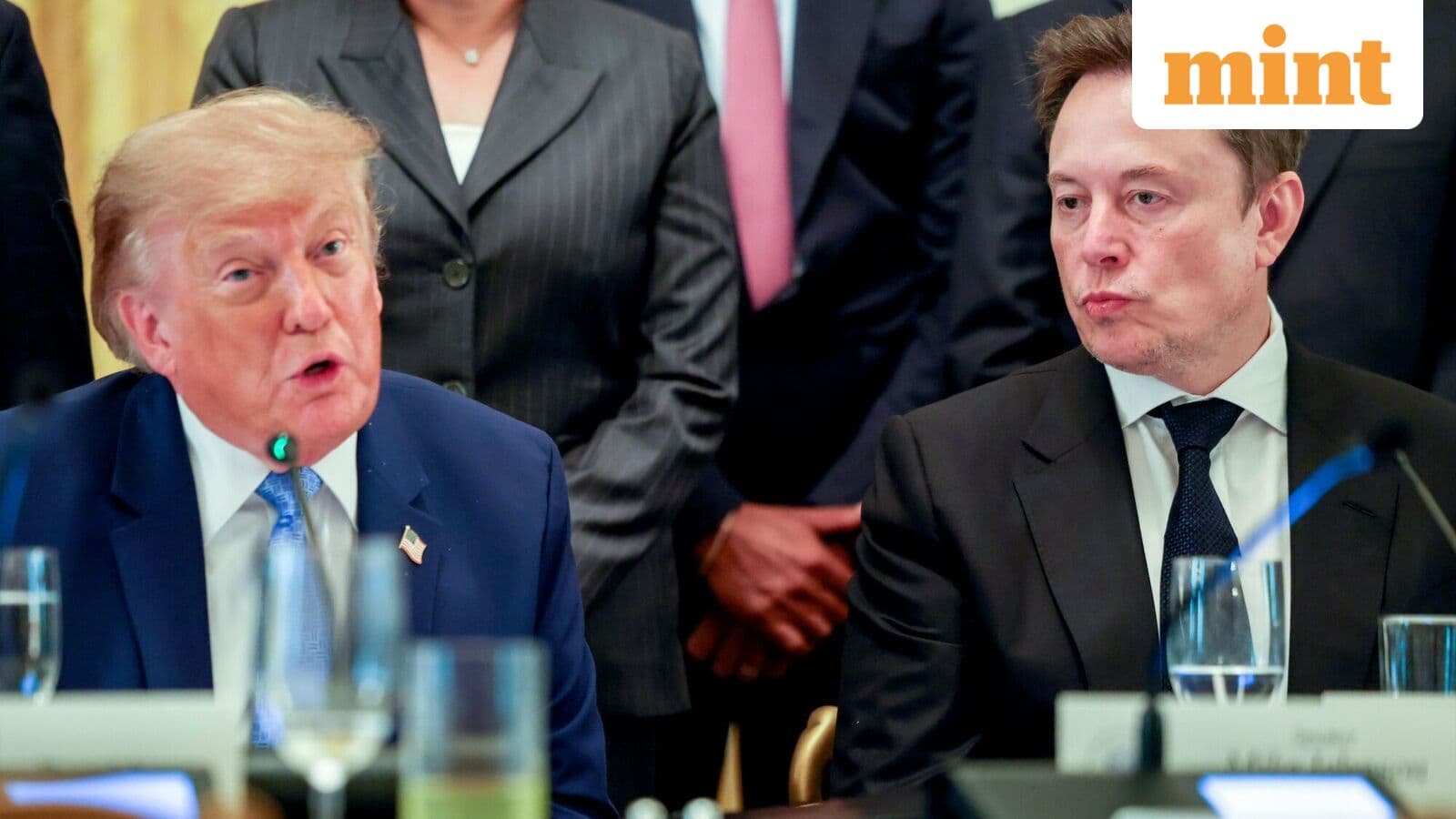
Elon Musk announced the rebranding of SpaceX’s artificial intelligence division, SpaceXAI, to SpaceXSI, aligning with a recent executive order by US President Donald Trump. The order replaces the term "Artificial Intelligence" with "Super Intelligence" in federal documents, a shift Musk has long supported.
30 SEC SUMMARY
- Elon Musk announced the rebranding of SpaceX’s AI division, SpaceXAI, to SpaceXSI, aligning with a new US federal push to replace "Artificial Intelligence" with "Super Intelligence."
- The move follows an executive order by US President Donald Trump mandating the term change in federal documents.
- Trump advocated for the term "Super Intelligence" during a UN General Assembly address, emphasizing its potential benefits.
- Elon Musk has long expressed concerns about advanced AI, including contributions to philosopher Nick Bostrom’s work on superintelligence.
- No timeline has been provided for the rebranding of SpaceXAI to SpaceXSI.
TABLE OF CONTENTS
- Rebranding announcement
- Executive order drives terminology shift
- Musk’s long-standing AI concerns
- Background: Political and industry divides
- What this means
- Key takeaways
- FAQ
- Sources
KEY HIGHLIGHTS
- Elon Musk announced the rebranding of SpaceX’s AI division, SpaceXAI, to SpaceXSI.
- The move follows an executive order by US President Donald Trump mandating the replacement of "Artificial Intelligence" with "Super Intelligence" in federal documents.
- Trump advocated for the term change during a UN General Assembly address, emphasizing its potential benefits for the US.
- The White House fact sheet describes the order as acknowledgment of advancing technological frontiers and their "limitless promise."
- Elon Musk has previously endorsed concerns about advanced AI, including contributions to philosopher Nick Bostrom’s book on superintelligence.
Rebranding announcement
Elon Musk announced that SpaceX’s artificial intelligence division, currently known as SpaceXAI, will be rebranded to SpaceXSI. According to Mint (Technology), the decision aligns with a broader federal shift in terminology introduced by the Trump administration.
Musk did not provide a specific timeline for the rebranding, leaving uncertainty about when the change will take effect.
Executive order drives terminology shift
The rebranding follows an executive order signed by US President Donald Trump, which directs federal agencies to replace the term "Artificial Intelligence" with "Super Intelligence" in official documents. The order aims to reflect what the administration describes as the "continuously advancing technological frontier," according to a White House fact sheet reported by Mint (Technology).
During a recent address to the UN General Assembly, Trump advocated for the term "Super Intelligence," framing it as a recognition of technological progress and its potential benefits for Americans.
The executive order also tasks the Assistant to the President for Science and Technology with drafting a formal federal definition of "Super Intelligence," though no details have been released yet.
Musk’s long-standing AI concerns
Elon Musk’s decision to rebrand SpaceXAI reflects his long-standing concerns about the risks of advanced AI. He has previously endorsed and contributed to philosopher Nick Bostrom’s 2014 book, Superintelligence: Paths, Dangers, Strategies, which explores the potential threats posed by AI surpassing human control.
Musk has publicly cautioned that advanced AI technology could pose a greater risk to humanity than nuclear weapons, a view that aligns with the more dramatic framing of "Super Intelligence."
Background: Political and industry divides
The push to rebrand "Artificial Intelligence" as "Super Intelligence" has sparked debate within the tech industry. Donald Trump previously formed a task force called the Super Intelligence Force, aimed at addressing perceived threats and fostering innovation in advanced AI. While Musk has embraced the terminology shift, other tech leaders remain skeptical, viewing it as more symbolic than substantive.
This move coincides with broader scrutiny of AI-related technologies, including Tesla’s challenges with its camera-only autonomy system in the EU and ongoing debates about the ethical implications of AI interactions.
What this means
Lazyfounder analysis — our interpretation, not reported fact.
This rebranding reflects a growing tension between symbolic gestures and substantive policy in the AI space. For founders and operators, the shift in terminology—while attention-grabbing—doesn’t yet change the technical or regulatory realities of building AI systems. Musk’s alignment with the "Super Intelligence" framing reinforces his long-held warnings about AI risks, but it also risks blending legitimate concerns with political grandstanding.
The executive order’s directive to define "Super Intelligence" could eventually shape federal funding, procurement, or research priorities, but its immediate impact is more rhetorical than practical. Startups should watch for regulatory clarity but avoid overreacting to linguistic changes until concrete policies emerge.
Key takeaways
- SpaceXAI will be rebranded as SpaceXSI, reflecting a broader federal shift in terminology from "Artificial Intelligence" to "Super Intelligence."
- The rebranding follows an executive order by Donald Trump, who has advocated for the term change at the UN and in federal documents.
- Elon Musk’s endorsement of the term aligns with his long-standing concerns about advanced AI, including his support for Nick Bostrom’s work on superintelligence.
- The White House fact sheet frames the executive order as acknowledgment of advancing technological frontiers, but no formal definition of "Super Intelligence" has been released yet.
- No specific timeline has been provided for the rebranding, leaving questions about its practical implementation unanswered.
FAQ
Why is SpaceXAI being rebranded to SpaceXSI?
The rebranding follows an executive order by US President Donald Trump, which directs federal agencies to replace the term "Artificial Intelligence" with "Super Intelligence." Elon Musk’s decision aligns with this shift and his long-standing concerns about advanced AI.
What does the executive order on "Super Intelligence" entail?
The executive order mandates that federal documents replace "Artificial Intelligence" with "Super Intelligence." It also tasks the Assistant to the President for Science and Technology with drafting a formal definition of the term. The White House fact sheet describes it as acknowledgment of advancing technological frontiers.
Has a timeline been set for the SpaceXAI rebranding?
No. Elon Musk has not provided a specific timeline for the rebranding of SpaceXAI to SpaceXSI.
How does this rebranding connect to Elon Musk’s views on AI?
Musk has long expressed concerns about the risks of advanced AI, including endorsing philosopher Nick Bostrom’s work on superintelligence. The rebranding to SpaceXSI reflects his alignment with the more dramatic framing of "Super Intelligence" over "Artificial Intelligence."
What impact could this executive order have on the tech industry?
While the executive order introduces a symbolic shift in terminology, its immediate practical impact remains unclear. However, it could influence future federal funding, research priorities, or procurement policies related to AI technologies.
Related on Lazyfounder
Sources
- Mint (Technology) · 2026-10-05
‘No more AI’: Elon Musk to rebrand SpaceXAI as SpaceXSI — What is the Trump connection behind the move?
This story is an original summary drafted with AI by Lazyfounder from the reporting listed above and checked by automated validation. Facts are attributed to their original publishers; sections marked as analysis are Lazyfounder's. Where a source is in another language, facts were machine-translated and quotations are reported, not reproduced. Read the original coverage via the links, and see our AI policy and corrections policy.

About the author
Editor, Lazyfounder
Tarun Mottlia edits LazyFounders, covering Indian startups, funding rounds, AI and product launches. Every story on the site is AI-assisted and checked against its cited sources before publication.
More stories by Tarun MottliaGet the LazyFounder Brief
Startup, funding and AI news in a five-minute read. Join the early-access list.
