
Windows 11 Updates Claim 20% Performance Boost—But Tests Show Mixed Results
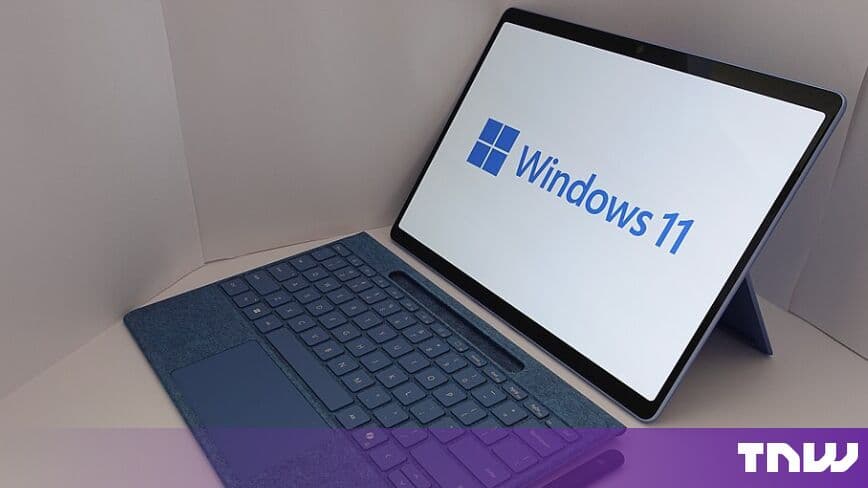
Microsoft has released updates for Windows 11, claiming up to 20% improved responsiveness, particularly on PCs with 8GB of RAM. Independent tests, however, show no performance gains on lower-end machines, while larger systems benefit. Alongside the updates, Microsoft unveiled the Surface Laptop Ultra, a high-end AI-focused laptop designed to compete with Apple’s MacBook Pro.

Editor, Lazyfounder
30 SEC SUMMARY
- Microsoft claims Windows 11 updates have improved responsiveness by up to 20%, particularly on PCs with 8GB of RAM.
- Independent tests found no performance gains on 8GB machines, while larger systems showed some improvements.
- The October update includes optimizations for apps like Search, Start, File Explorer, and the Photos app, which now loads 25% faster.
- Microsoft also introduced the Surface Laptop Ultra, a high-end AI-focused laptop with Nvidia’s RTX Spark N1X chip.
- The laptop competes with the MacBook Pro but faces criticism for battery life and app compatibility.
TABLE OF CONTENTS
- Microsoft’s performance claims for Windows 11
- Independent tests question performance gains
- New features and bugs in the October update
- Microsoft unveils the Surface Laptop Ultra
- AI capabilities and app compatibility challenges
- Broader trends in the PC market
- Background on Microsoft’s recent initiatives
- What this means
- Key takeaways
- FAQ
- Sources
KEY HIGHLIGHTS
- Microsoft claims Windows 11 is up to 20% more responsive due to improved memory management, especially on PCs with 8GB of RAM.
- Independent tests found no performance improvements on 8GB machines, though larger systems showed gains.
- The October update optimizes apps like Search, Start, File Explorer, and the Photos app, which now loads 25% faster.
- Windows 11 can keep up to 2GB more active data in memory, reducing reliance on slower storage.
- Microsoft introduced the Surface Laptop Ultra, a high-end laptop with Nvidia’s RTX Spark N1X chip, starting at $2,600.
- The Surface Laptop Ultra features a 4K mini LED display but faces criticism for battery life and app compatibility.
Microsoft’s performance claims for Windows 11
Microsoft has announced that recent updates to Windows 11 have made the operating system up to 20% more responsive, according to The Next Web and Engadget. The company attributes these improvements to better memory management, particularly benefiting PCs with 8GB of RAM. Microsoft claims that Windows 11 can now keep up to 2GB more active data in memory, reducing reliance on slower storage.
The updates target core components like Widgets, Start, File Explorer, Search, Snipping Tool, and Edge. For example, widgets now load only when opened on PCs with 8GB or less RAM, freeing up over 200MB of memory. Additionally, AirPods pairing is reportedly faster due to Bluetooth improvements, and Windows Hello logins are said to be more reliable.
Navjot Virk, Corporate Vice President of Windows Experiences at Microsoft, stated that the optimizations were tested by comparing build 26300.9550 against 26200.7628, focusing on speed improvements in key areas like Search, Start, and File Explorer.
Independent tests question performance gains
Despite Microsoft’s claims, independent tests have yielded mixed results. According to Windows Latest, an 8GB RAM PC showed no change in memory usage, remaining at 96%. While larger systems demonstrated some improvements, lower-end machines appeared unaffected by the optimizations.
The discrepancy raises questions about the real-world impact of the updates, particularly for users with budget PCs. Microsoft’s focus on memory efficiency comes as memory prices continue to rise, with Samsung not expecting relief until 2028. This trend has made RAM upgrades increasingly expensive, adding pressure on software developers to optimize performance for constrained hardware.
New features and bugs in the October update
The October update introduces several new features, including the ability to move the taskbar to the sides or top of the screen, a long-requested option for users. According to Gizmodo, the update also includes a revamped AI-powered Search feature for Windows Insider testers, allowing thousands of actions to be performed directly from the search box.
The Photos app has been rebuilt using the WinUI 3 framework, replacing WebView2 to reduce memory usage. Microsoft claims the app’s built-in editor now loads 25% faster, while the native viewer opens photos up to 30% quicker. The new Gallery feature integrates photos from local storage, OneDrive, and iCloud, and supports natural-language search, such as "pictures of my dog on the beach."
However, the updates have not been without issues. The Verge reports that June’s update introduced bugs, including BitLocker recovery screens on some HP and Dell machines. Users have also criticized Microsoft for cluttering Windows 11 with pop-ups and advertisements for services like Copilot.
Microsoft unveils the Surface Laptop Ultra
Alongside the Windows 11 updates, Microsoft launched the Surface Laptop Ultra, a high-end laptop designed to compete with Apple’s MacBook Pro. The device starts at $2,600 and can exceed $5,900 for the top-end configuration, which includes a 20-core Grace CPU, 6,144 CUDA GPU cores, and 128GB of unified memory.
The Surface Laptop Ultra features a 15-inch 4K mini LED display with a peak brightness of 2,000 nits, making it one of the brightest laptop screens available. It also introduces a magnetic USB-C port for easier charging. However, reviewers note that the laptop is heavier and thicker than Apple’s MacBook Pro, weighing 4.5 pounds and measuring 18mm in thickness.
Performance tests, including those from Gizmodo and WIRED, show that the laptop competes well with high-end Intel chips but falls short of the MacBook Pro’s raw CPU and GPU capabilities. Battery life is also a weak point, with tests showing only 12 hours of local video playback, compared to over 21 hours on the MacBook Pro.
AI capabilities and app compatibility challenges
The Surface Laptop Ultra is powered by Nvidia’s RTX Spark N1X superchip, a first-of-its-kind in Windows laptops designed to handle on-device AI tasks. The laptop supports local AI models and agents, such as OpenClaw and Hermes, and delivers faster frame rates in games like Cyberpunk 2077 compared to the MacBook Pro.
However, app compatibility remains a challenge. High-profile multiplayer games like PUBG and Valorant are not supported due to anti-cheat systems, and some non-native apps and games face emulation issues. WIRED notes that lower-tier RAM configurations may limit the laptop’s appeal to AI enthusiasts.
Microsoft’s focus on AI extends beyond hardware. SiliconANGLE reports that the company has developed MAI-Base-2, a base model with 2 trillion parameters that outperforms competitors in science, programming, and math benchmarks. The model will be licensed to trusted partners via Azure and used to power new large language models.
Broader trends in the PC market
Microsoft’s updates and hardware launches come amid broader challenges in the PC market. According to The Next Web, European PC shipments fell 20% in the third quarter of 2026, with further declines forecasted. Gartner predicts that sub-$500 PCs will nearly disappear by 2028, as the average selling price in the U.S. already exceeds $1,000.
The shift reflects the increasing cost of components, driven by demand from AI data centers. Google is reportedly reworking Android to require less RAM, highlighting the industry-wide focus on optimization. Microsoft’s efforts to improve Windows 11’s performance on lower-end hardware might help mitigate some of these challenges, but the impact remains to be seen.
Background on Microsoft’s recent initiatives
Microsoft’s focus on performance improvements aligns with its broader strategy to enhance user experience and compete with rivals like Apple. The company has faced criticism in the past for intrusive features, such as pop-ups and advertisements in Windows 11, which the latest updates aim to address.
In the hardware space, Microsoft’s Surface lineup has evolved to target high-end users, with the Surface Laptop Ultra positioning itself as a direct competitor to Apple’s MacBook Pro. However, the company’s reliance on Nvidia’s ARM-based chips presents challenges for app compatibility, particularly in gaming and professional software.
On the AI front, Microsoft continues to invest heavily in large language models and cloud computing. The development of MAI-Base-2 reflects its ambition to lead in AI research and infrastructure, offering cutting-edge models to enterprise customers via Azure.
What this means
Lazyfounder analysis — our interpretation, not reported fact.
For founders and operators, Microsoft’s claims highlight the importance of optimizing software for constrained hardware, especially as memory prices rise and budget PCs become more common. However, the disconnect between Microsoft’s benchmarks and independent tests underscores the need for real-world validation before adopting new updates.
The Surface Laptop Ultra’s launch reflects the growing focus on AI-powered devices, but its limitations—such as battery life and app compatibility—serve as a reminder that hardware advancements must align with user needs. For startups, this could mean prioritizing software efficiency and compatibility over raw specs when targeting mainstream audiences.
Key takeaways
- Memory optimization is critical for performance, but real-world gains may vary depending on hardware configurations.
- AI-driven features and hardware advancements are shaping consumer expectations, but battery life and app support remain key challenges.
- Software updates can introduce bugs, so thorough testing is essential before widespread adoption.
- High-end hardware may not always translate to superior performance, especially if app compatibility or battery life is compromised.
FAQ
Do Windows 11 updates actually improve performance on 8GB RAM PCs?
Independent tests show no noticeable performance gains on PCs with 8GB of RAM, despite Microsoft’s claims of up to 20% improved responsiveness.
What are the key improvements in the Windows 11 October update?
The update introduces faster app performance (e.g., Photos app loads 25% faster), the ability to move the taskbar to the sides, improved Bluetooth pairing for AirPods, and a revamped AI-powered Search feature.
How does the Surface Laptop Ultra compare to the MacBook Pro?
The Surface Laptop Ultra features a brighter 4K mini LED display and competitive performance but falls short in battery life, app compatibility, and weight. It starts at $2,600, similar to the MacBook Pro.
What are the limitations of the Surface Laptop Ultra?
The laptop faces criticism for its battery life (12 hours in tests), limited app compatibility (e.g., lack of support for high-profile games), and heavier, thicker design compared to the MacBook Pro.
Related on Lazyfounder
Sources
- The Next Web · 2026-10-15
Microsoft says Windows 11 is now up to 20% more responsive and better on 8GB of RAM - Engadget · 2026-10-15
Microsoft Says It Made Windows 11 Zippier, Especially On PCs With Less RAM - TechRadar · 2026-10-15
Microsoft boasts that Windows 11 is now 'up to 20% more responsive', with the new Photos app also benefiting from a big speed boost - Gizmodo · 2026-10-16
Microsoft Surface Laptop Ultra Review: Complicated, yet So Damn Worth Getting Stuck In - WIRED · 2026-10-16
The Surface Laptop Ultra Takes a Bite of the Apple - Gizmodo · 2026-10-16
Windows 11 Is Finally Becoming the OS It Should Have Been From the Start - SiliconANGLE · 2026-10-17
Microsoft reveals cutting-edge MAI-Base-2 model with 2T parameters
This story is an original summary drafted with AI by Lazyfounder from the reporting listed above and checked by automated validation. Facts are attributed to their original publishers; sections marked as analysis are Lazyfounder's. Where a source is in another language, facts were machine-translated and quotations are reported, not reproduced. Read the original coverage via the links, and see our AI policy and corrections policy.

About the author
Editor, Lazyfounder
Tarun Mottlia edits LazyFounders, covering Indian startups, funding rounds, AI and product launches. Every story on the site is AI-assisted and checked against its cited sources before publication.
More stories by Tarun MottliaGet the LazyFounder Brief
Startup, funding and AI news in a five-minute read. Join the early-access list.
