
Biomemory launches DNA Shield, a synthetic DNA-based storage service for offline data protection
Biomemory has introduced DNA Shield, a synthetic DNA-based storage service designed to protect critical digital assets from cyber threats and AI-driven attacks. The service targets cold data, which makes up 60% of global data, and follows the company’s acquisition of DNA storage pioneer Catalog Technologies in March 2026.

Editor, Lazyfounder
30 SEC SUMMARY
- Biomemory has launched DNA Shield, a synthetic DNA-based storage service for offline protection of critical digital assets.
- The service targets cold data—60% of global data—such as passwords, biometrics, and financial records.
- DNA Shield uses engineered DNA storage, which is a million times denser than magnetic storage and may last up to 150 years.
- Biomemory acquired Catalog Technologies in March 2026 to enable this product.
- Pilot testing for DNA Shield runs from October 2026 to mid-2027, with a full launch expected in 2027.
TABLE OF CONTENTS
KEY HIGHLIGHTS
- Biomemory introduced DNA Shield, a synthetic DNA-based storage service for offline, airgapped data protection.
- DNA Shield is designed to secure cold data, which makes up 60% of the world’s data and includes unalterable information like passwords and financial records.
- The service follows Biomemory’s March 2026 acquisition of Catalog Technologies, a pioneer in DNA storage.
- DNA Shield is available for pilot testing from October 15, 2026, with a full launch planned for 2027.
- Subscriptions for the service start at €10,000 per month.
Biomemory launches DNA-based storage service
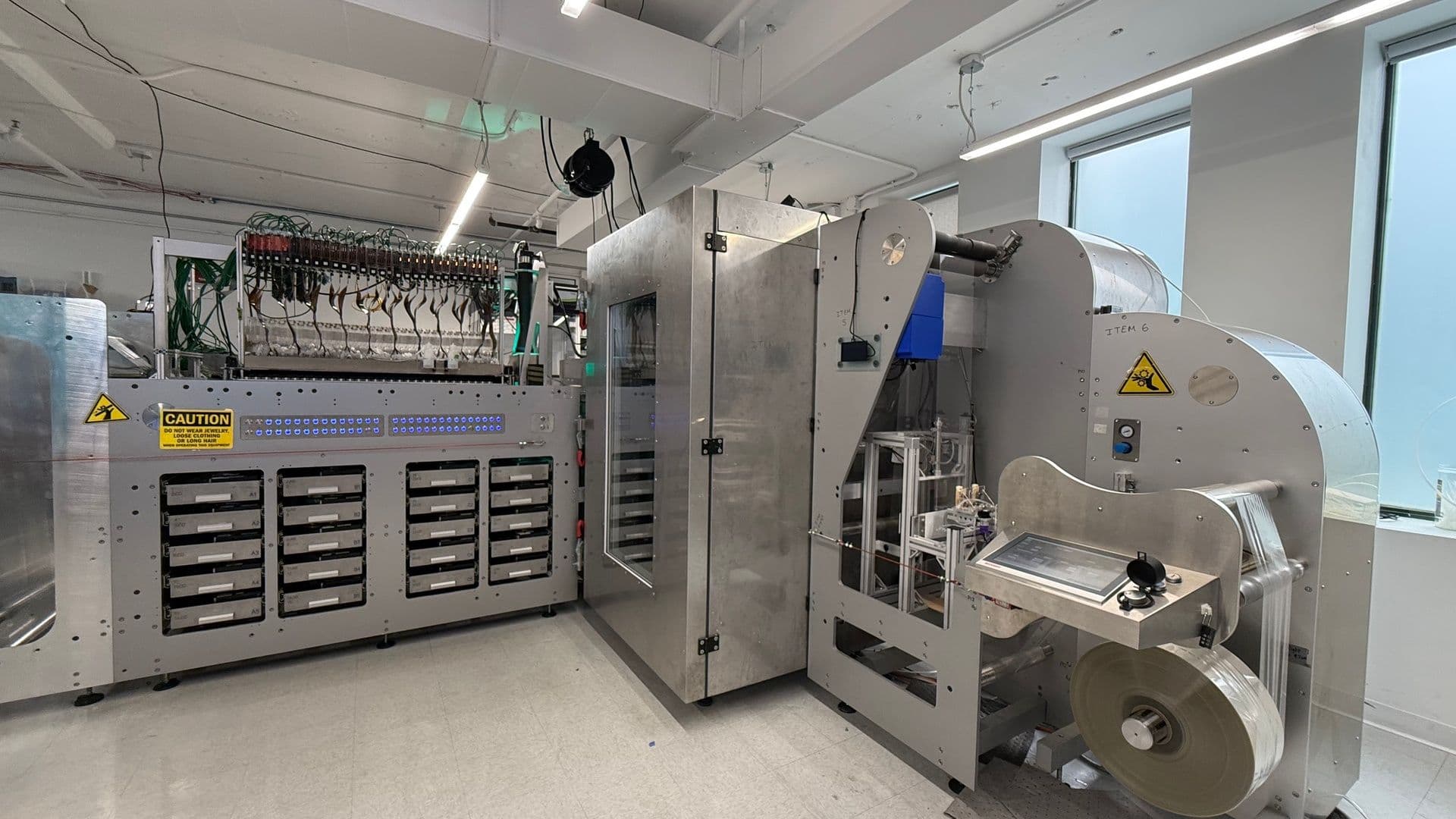
Biomemory has introduced DNA Shield, a storage service that uses synthetic DNA to securely store critical digital assets offline. According to TechRadar, the service is designed to protect data from cyberattacks and emerging technologies like artificial intelligence by keeping it airgapped and isolated from digital networks.
DNA Shield targets "cold data," which accounts for 60% of the world’s data. This category includes unalterable information such as passwords, biometric data, and financial records. The service encodes data into synthetic DNA, ensuring long-term preservation without requiring power.
How DNA Shield works
DNA Shield leverages an engineered encoding scheme to store data in synthetic DNA. According to TechRadar, this method ensures the data is biosecure and can be preserved for decades without degradation. The technology is a million times denser than traditional magnetic storage, allowing vast amounts of data to be stored in a compact format.
The service is built to last up to 150 years, making it suitable for archival purposes. Unlike conventional storage methods, DNA storage does not require continuous power, reducing the risk of data loss due to power failures or cyberattacks.
Acquisition of Catalog Technologies
Biomemory’s launch of DNA Shield follows its acquisition of Catalog Technologies, a Boston-based company specializing in DNA storage, in March 2026. The acquisition provided Biomemory with the foundational technology to develop and commercialize its synthetic DNA storage solution.
Catalog Technologies, a pioneer in the field, contributed expertise in encoding and preserving data in DNA, which Biomemory has integrated into DNA Shield.
Availability and pricing
DNA Shield is currently available for pilot testing, with organizations able to sign up from October 15, 2026. The full service is expected to launch in 2027, pending feedback and refinements from the pilot phase.
The subscription model for DNA Shield starts at €10,000 per month, reflecting its target market of enterprises and institutions with high-value, sensitive data.
What this means
Lazyfounder analysis — our interpretation, not reported fact.
DNA Shield represents a bold step into the future of data storage, particularly for industries where long-term preservation and security are critical. For founders and operators, this launch signals two key trends: first, the increasing scrutiny of traditional cloud and magnetic storage due to cybersecurity risks and costs; and second, the commercialization of biotechnology solutions for digital infrastructure.
While the €10,000/month pricing positions DNA Shield as a premium service, it may appeal to sectors like finance, healthcare, and government, where the cost of a breach far exceeds the expense of secure storage. However, the technology is still in its early stages, and its scalability and practicality for mainstream use remain unproven. Founders should watch how Biomemory addresses challenges like retrieval speed, error rates, and integration with existing IT systems during the pilot phase.
Key takeaways
- DNA-based storage could redefine long-term data preservation, particularly for high-value, unalterable data like passwords and financial records.
- Airgapped, offline storage is gaining traction as enterprises seek to mitigate cybersecurity risks and AI-driven threats.
- Biomemory’s acquisition of Catalog Technologies highlights the role of M&A in accelerating the development of emerging technologies.
- The high cost of DNA Shield reflects its niche focus on enterprises with stringent security and archival needs.
- Founders should monitor DNA storage advancements, as they may create new opportunities in cybersecurity, biotech, and IT infrastructure.
FAQ
What is cold data, and why does DNA Shield target it?
Cold data refers to information that is rarely accessed and does not change, such as archived financial records, passwords, and biometric data. DNA Shield targets this type of data because it is ideal for long-term, offline storage, and traditional methods may not provide sufficient security or longevity.
How does DNA storage compare to traditional storage methods?
DNA storage is a million times denser than magnetic storage and can potentially last up to 150 years without power. Unlike traditional methods, it is not vulnerable to cyberattacks or hardware failures, making it suitable for archival purposes.
Who is DNA Shield designed for?
DNA Shield is designed for enterprises and institutions with high-value, sensitive data that requires long-term preservation and robust security. This includes sectors like finance, healthcare, and government.
Related on Lazyfounder
Sources
- TechRadar · 2026-10-17
Biomemory’s DNA Shield stores critical data in synthetic DNA — beyond the reach of cyberattacks
This story is an original summary drafted with AI by Lazyfounder from the reporting listed above and checked by automated validation. Facts are attributed to their original publishers; sections marked as analysis are Lazyfounder's. Where a source is in another language, facts were machine-translated and quotations are reported, not reproduced. Read the original coverage via the links, and see our AI policy and corrections policy.

About the author
Editor, Lazyfounder
Tarun Mottlia edits LazyFounders, covering Indian startups, funding rounds, AI and product launches. Every story on the site is AI-assisted and checked against its cited sources before publication.
More stories by Tarun MottliaGet the LazyFounder Brief
Startup, funding and AI news in a five-minute read. Join the early-access list.
