
Googlebook OS launches with ARM and Intel laptops, but compatibility concerns linger
Google has launched Googlebook OS, a new operating system blending Android and ChromeOS, with five laptops available immediately. However, Intel-based models may face compatibility issues with Android apps, which were primarily designed for ARM chips. The launch highlights Google’s shift toward an Android-centric ecosystem but introduces challenges for developers and users.

Editor, Lazyfounder
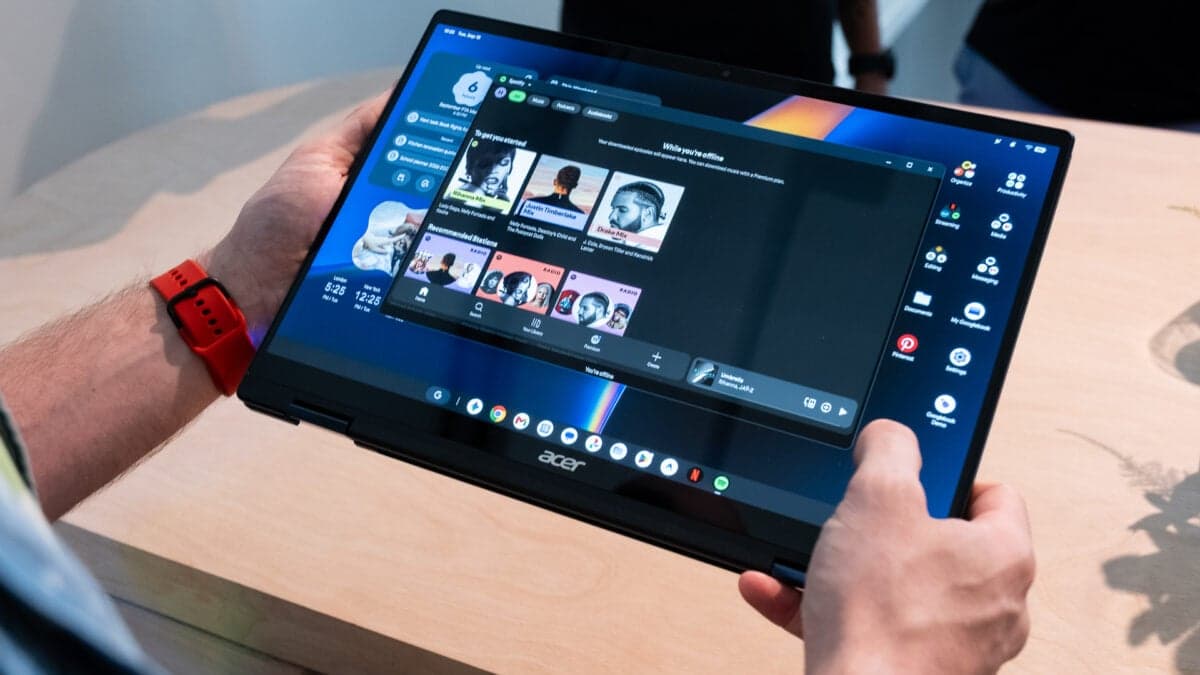
Google has launched Googlebook OS, a new operating system blending Android and ChromeOS, with five laptops available immediately. However, Intel-based models may face compatibility issues with Android apps, which were primarily designed for ARM chips. The launch highlights Google’s shift toward an Android-centric ecosystem but introduces challenges for developers and users.
30 SEC SUMMARY
- Google has launched Googlebook OS, a new operating system combining Android and ChromeOS, with five laptops available immediately.
- Two models use ARM-based Snapdragon X Elite chips, while three rely on Intel’s Core Ultra Series 3 processors.
- Intel-based Googlebooks may face compatibility issues with Android apps, which were originally designed for ARM chips.
- Googlebook OS runs on the Android kernel, unlike ChromeOS, which uses the Linux kernel.
- Google is not providing emulation layers to bridge ARM and x86 compatibility gaps.
TABLE OF CONTENTS
- Googlebook OS launches with five laptops
- Compatibility concerns for Intel-based Googlebooks
- A shift in Google’s OS strategy
- Background
- Developing: what is not yet confirmed
- What this means
- Key takeaways
- FAQ
- Sources
KEY HIGHLIGHTS
- Google has launched Googlebook OS, a hybrid of Android and ChromeOS, with five laptops available now.
- Two laptops use ARM-based Snapdragon X Elite chips; three use Intel’s Core Ultra Series 3 processors.
- Intel-based Googlebooks may face compatibility issues with Android apps, which were primarily designed for ARM chips.
- Googlebook OS runs on the Android kernel, unlike ChromeOS, which uses the Linux kernel.
- Google is not providing emulation layers to bridge ARM and x86 compatibility gaps.
Googlebook OS launches with five laptops
Google has unveiled Googlebook OS, a new operating system that combines elements of Android and ChromeOS. Five laptops running the OS are available from today, including models from Dell and HP.
Two of the laptops, including the Dell XPS Googlebook and HP Googlebook 14, are powered by Qualcomm’s ARM-based Snapdragon X Elite chips. The remaining three models use Intel’s latest Core Ultra Series 3 processors.
According to Gizmodo, the launch highlights Google’s effort to support two distinct microarchitectures simultaneously, a challenge that could lead to compatibility differences between ARM and Intel-based devices.
Compatibility concerns for Intel-based Googlebooks
Intel-based Googlebooks may face compatibility issues with some Android apps, as many were originally designed for ARM chips. This could result in a less seamless experience compared to ARM-based models, which are expected to handle Android apps more smoothly.
Google has stated that most Android apps will run on both Intel and Qualcomm-based Googlebooks, but some may require developer tuning to perform optimally. The company will highlight a selection of Android apps in the Play Store that are confirmed to work well on Googlebook OS.
Unlike Windows 11, which uses emulation layers like Prism to bridge ARM and x86 compatibility, Google is not providing similar tools for Googlebook OS. This places the onus on developers to ensure their apps are optimized for both architectures.
A shift in Google’s OS strategy
Googlebook OS represents a significant departure from ChromeOS, as it is built on the Android kernel rather than the Linux kernel. This shift reflects Google’s ambition to create a unified ecosystem across its mobile and laptop offerings.
The decision to base the OS on Android could streamline app development for Google’s ecosystem, but it also introduces challenges, particularly for Intel-based devices. Developers may need to update their apps to ensure full compatibility with x86 processors.
Background
Google’s pivot to Android as the foundation for its laptop OS comes as the company continues to refine its hardware and software integration. ChromeOS, which has traditionally relied on the Linux kernel, has been a cornerstone of Google’s education and enterprise-focused laptops.
The launch of Googlebook OS reflects broader industry trends toward hybrid operating systems, such as Microsoft’s Windows 11, which supports both ARM and x86 architectures. However, compatibility challenges remain a persistent issue for such hybrid systems.
Developing: what is not yet confirmed
The following is reported but has not been independently confirmed.
Some reports suggest that ARM-based Googlebooks will have a cleaner launch experience compared to Intel-based models, but this remains unverified.
What this means
Lazyfounder analysis — our interpretation, not reported fact.
Google’s launch of Googlebook OS marks a bold attempt to unify Android and ChromeOS, but the choice to support both ARM and Intel chips introduces complexity. Developers and users may face fragmentation, especially with Android apps that weren’t optimized for x86. While ARM-based Googlebooks are likely to offer a smoother experience, Intel-based models could struggle with compatibility until developers update their apps. This move also signals Google’s long-term bet on Android as the foundation for its ecosystem, even at the risk of alienating some ChromeOS loyalists. For founders and operators, the takeaway is clear: app optimization for both architectures will be critical to avoid customer frustration and support costs.
Key takeaways
- Googlebook OS merges Android and ChromeOS, launching with five laptops from Dell and HP.
- ARM-based Googlebooks (Snapdragon X Elite) are expected to have fewer compatibility issues than Intel-based models (Core Ultra Series 3).
- Android apps may not run seamlessly on Intel-based Googlebooks, as many were designed for ARM chips.
- Googlebook OS uses the Android kernel, not the Linux kernel like ChromeOS, reflecting a strategic shift.
- Google is not providing emulation layers to bridge ARM-x86 gaps, placing the burden on developers to ensure compatibility.
FAQ
What is Googlebook OS?
Googlebook OS is a new operating system developed by Google that combines elements of Android and ChromeOS. It is designed to run on laptops and is built on the Android kernel rather than the Linux kernel used by ChromeOS.
Which laptops are available with Googlebook OS?
Five laptops are launching with Googlebook OS, including the Dell XPS Googlebook and HP Googlebook 14. Two models use ARM-based Snapdragon X Elite chips, while three use Intel’s Core Ultra Series 3 processors.
Will Android apps work on Intel-based Googlebooks?
Most Android apps are expected to run on Intel-based Googlebooks, but some may face compatibility issues because they were originally designed for ARM chips. Developers may need to optimize their apps for x86 processors.
Why is Google not providing emulation layers for Googlebook OS?
Google has chosen not to include emulation layers like those in Windows 11 to bridge ARM and x86 compatibility. This decision places the responsibility on developers to ensure their apps work seamlessly on both architectures.
How does Googlebook OS differ from ChromeOS?
Googlebook OS is built on the Android kernel, while ChromeOS uses the Linux kernel. This shift reflects Google’s strategy to create a unified ecosystem across its mobile and laptop devices.
Related on Lazyfounder
Sources
- Gizmodo · 2026-10-05
Don’t Expect Every New Googlebook App to Play Nice With Intel Chips
This story is an original summary drafted with AI by Lazyfounder from the reporting listed above and checked by automated validation. Facts are attributed to their original publishers; sections marked as analysis are Lazyfounder's. Where a source is in another language, facts were machine-translated and quotations are reported, not reproduced. Read the original coverage via the links, and see our AI policy and corrections policy.

About the author
Editor, Lazyfounder
Tarun Mottlia edits LazyFounders, covering Indian startups, funding rounds, AI and product launches. Every story on the site is AI-assisted and checked against its cited sources before publication.
More stories by Tarun MottliaGet the LazyFounder Brief
Startup, funding and AI news in a five-minute read. Join the early-access list.
