
Tesla discontinues Solar Roof tiles after years of losses and setbacks
Tesla has stopped production of its Solar Roof tiles, a high-profile product designed to combine solar energy with roofing aesthetics. The company will now focus exclusively on supplying conventional solar panels to its installer network, marking the end of a product that struggled with delays, cost overruns, and low adoption.

Editor, Lazyfounder
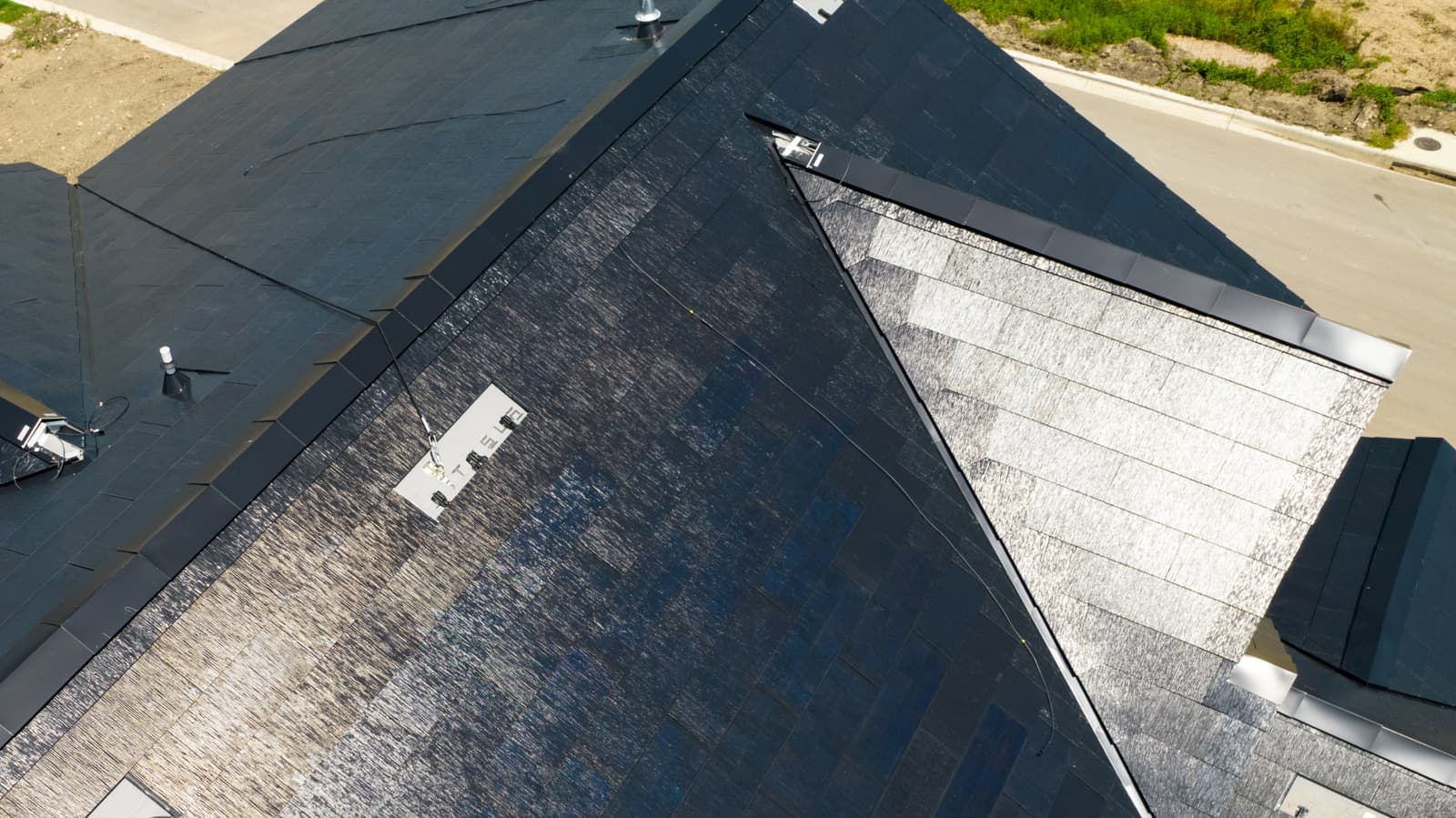
Why Tesla abandoned the Solar Roof
Tesla has discontinued its Solar Roof tiles, a product designed to mimic the appearance of regular roof shingles while generating solar energy. The company will now supply only conventional solar panels to its third-party installer network, according to Engadget.
The decision follows years of financial and operational struggles. Tesla’s Solar Roof, first unveiled in 2016, was intended to revolutionize residential solar adoption by blending aesthetics with functionality. However, the product fell short of expectations in multiple areas: production delays, cost overruns, and underwhelming sales.
By 2023, only 3,000 U.S. homes had installed the Solar Roof, far below Tesla’s target of 1,000 installations per week. At its peak in 2022, Tesla installed between 21 and 32 Solar Roofs per week, a fraction of its ambitions.
Pricing also became a barrier. In 2021, costs for a 3,947 square-foot roof with a 12.3 kW system surged from $54,966 before incentives to as much as $100,621 within a year, pricing it as a luxury product rather than a mainstream solution.
Elon Musk acknowledged "significant mistakes" during a 2021 earnings call, including overspending and delays. Reports of technical issues, such as underproduction of electricity and roof underlayment melting, further eroded confidence in the product’s viability.
What happens next
Tesla’s website now redirects Solar Roof inquiries to its conventional solar panels page, and the product has been removed from the company’s Energy navigation menu. The online configurator for Solar Roof quotes also directs users to conventional panels.
The discontinuation risks dampening industry enthusiasm for integrated solar roofing, despite its aesthetic appeal. Competitors like Merlin Solar may now have an opportunity to fill the gap, though none have yet matched Tesla’s scale or brand recognition in the solar market.
Tesla’s broader energy strategy
This shift aligns with Tesla’s recent focus on scaling its core automotive and energy storage businesses. Earlier this year, Lazyfounder reported on Tesla’s redesign of its Cybercab battery pack to accommodate cheaper lithium iron phosphate (LFP) cells, signaling a push for cost efficiency in its energy products. The move also follows operational challenges in Tesla’s Robotaxi service, which has faced criticism for detours and unreliable pickups since expanding in Houston.
Tesla’s 2016 acquisition of SolarCity for $2.6 billion was initially positioned as a step toward vertical integration in renewable energy. However, the Solar Roof’s struggles contrast with the company’s broader ambitions, including its reopening of reservations for the delayed second-generation Roadster.
What this means
Lazyfounder analysis — our interpretation, not reported fact.
Tesla’s exit from the Solar Roof market is a rare admission of failure in a flagship product category. For founders and operators, it underscores the risks of over-engineering and scaling prematurely, even with strong brand leverage. The shift to conventional panels may improve Tesla’s margins in the short term, but it also cedes ground in the high-margin, integrated solar segment to competitors who might now accelerate their own R&D.
Related on Lazyfounder
Sources
- Engadget · 2026-11-01
Tesla Is Ditching Its Solar Roof Tiles For A Good Reason
This story is an original summary drafted with AI by Lazyfounder from the reporting listed above and checked by automated validation. Facts are attributed to their original publishers; sections marked as analysis are Lazyfounder's. Where a source is in another language, facts were machine-translated and quotations are reported, not reproduced. Read the original coverage via the links, and see our AI policy and corrections policy.

About the author
Editor, Lazyfounder
Tarun Mottlia edits LazyFounders, covering Indian startups, funding rounds, AI and product launches. Every story on the site is AI-assisted and checked against its cited sources before publication.
More stories by Tarun MottliaGet the LazyFounder Brief
Startup, funding and AI news in a five-minute read. Join the early-access list.
