
TD Bank exec says simple cash-back cards may outperform complex rewards, like Buffett’s index funds
Chris Fred, TD Bank’s head of credit cards and unsecured lending, argues that most consumers would benefit more from a flat-rate cash-back card than from chasing points or juggling bonus categories. He draws a comparison to Warren Buffett’s investment philosophy, which favors low-cost index funds over complex, actively managed strategies.

Editor, Lazyfounder
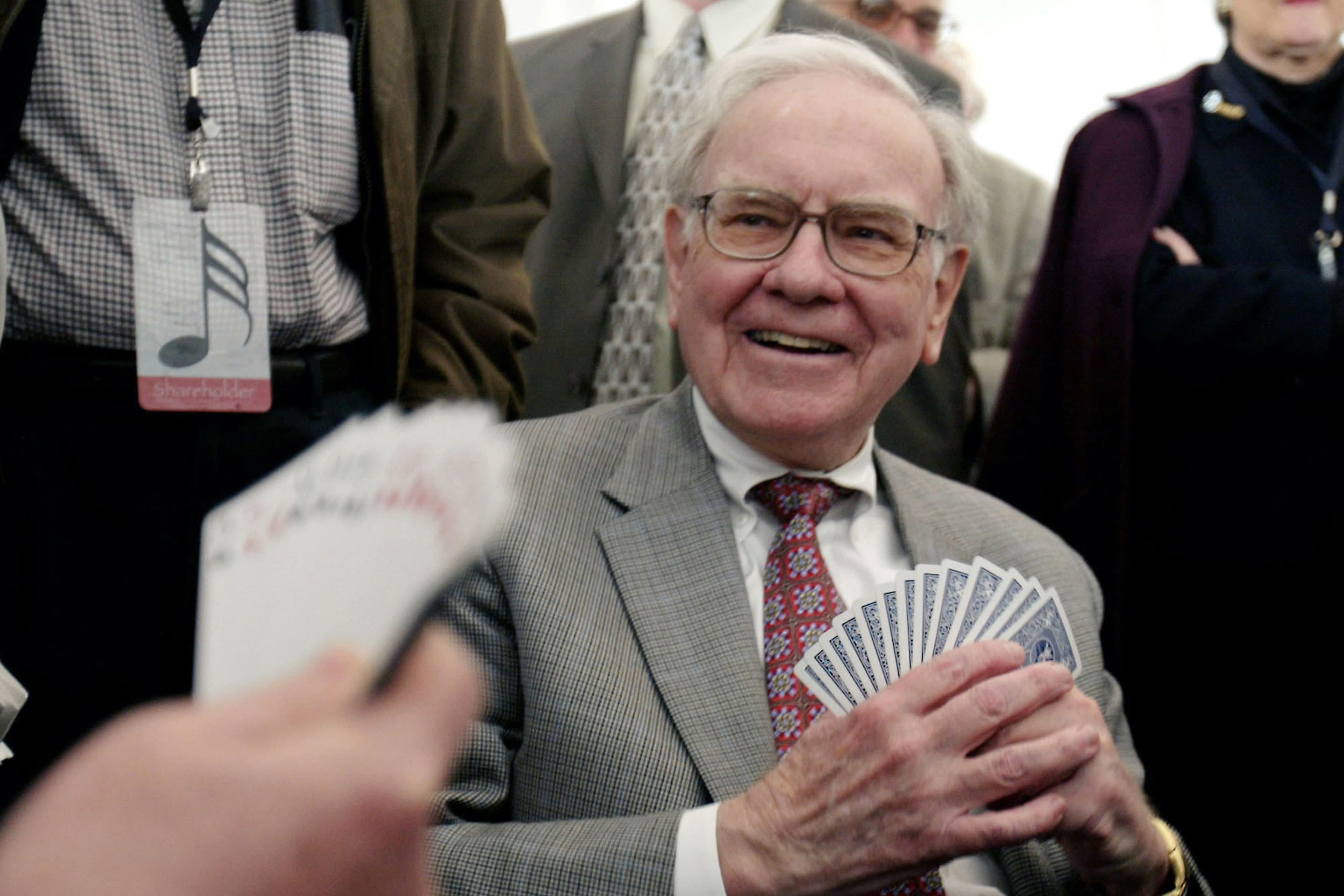
Why simplicity may outperform complexity in credit cards
Chris Fred, TD Bank’s head of credit cards and unsecured lending, has argued that consumers should approach credit card perks with the same discipline Warren Buffett applies to investing: stay within a "circle of competence." For most people, he says, that means choosing a flat-rate cash-back card over navigating intricate points systems or bonus categories.
Fred’s take aligns with Buffett’s preference for index funds—simple, low-cost investments that outperform many actively managed strategies. The parallel suggests that the mental effort required to maximize rewards across multiple cards with varying perks may not justify the returns for the average user.
How annual fees and perks play out
TD Bank’s lineup includes a card offering 2% cash back on all purchases and another with 1% cash back plus 2% to 3% in select categories. The trade-off, Fred notes, is annual fees: higher charges accompany cards that promise richer perks, but those benefits only pay off if consumers use them consistently.
Some premium cards carry fees nearing $1,000 annually, marketed as offering thousands in value. Yet these perks often require proactive opt-ins or specific spending patterns, which can complicate their utility. Fred’s advice: if a card’s benefits align with your spending habits, the fee may be worth it; otherwise, simplicity wins.
The recent increase in the American Airlines Citi AAdvantage Platinum Select World Elite Mastercard’s annual fee—from $99 to $150, its first hike since 2018—reflects a broader industry trend. Airlines like United have pushed similar card fees closer to $150, justifying the cost with perks such as credits for Global Entry or TSA PreCheck, statement credits for in-flight purchases, and bonus miles on hotel bookings.
Consumer behavior and rewards
A TD Bank survey found that 79% of consumers actively seek deals, while 72% of credit card users plan to use rewards for holiday spending. This suggests that while perks matter, most people prioritize immediate value over long-term optimization.
Fred’s argument implies that issuers design rewards systems to favor those who engage deeply with the terms—opting into offers, tracking categories, and redeeming credits—leaving casual users with suboptimal returns. For founders and operators, this highlights a gap in the market: tools that simplify rewards maximization without requiring constant attention could address a widespread pain point.
What this means
Lazyfounder analysis — our interpretation, not reported fact.
Fred’s advice underscores a tension in the credit card industry: issuers compete on complexity, but consumers often lack the time or expertise to extract full value. For startups, this signals an opportunity to build products that automate rewards optimization—whether through AI-driven spending analysis, fee-versus-benefit calculators, or tools that streamline perk redemption.
The parallel to Buffett’s investment strategy also challenges the narrative that more choice equals better outcomes. Founders in fintech or consumer tools might ask whether their products genuinely simplify decisions or add layers of complexity in the name of customization. For operators, Fred’s focus on behavioral friction—like opt-in requirements or buried perks—serves as a reminder that even well-marketed benefits may go unused if they’re not effortless.
Related on Lazyfounder
Sources
- Fortune · 2026-11-01
You should pick your credit card perks like Warren Buffett picks his stocks, TD Bank exec says
This story is an original summary drafted with AI by Lazyfounder from the reporting listed above and checked by automated validation. Facts are attributed to their original publishers; sections marked as analysis are Lazyfounder's. Where a source is in another language, facts were machine-translated and quotations are reported, not reproduced. Read the original coverage via the links, and see our AI policy and corrections policy.

About the author
Editor, Lazyfounder
Tarun Mottlia edits LazyFounders, covering Indian startups, funding rounds, AI and product launches. Every story on the site is AI-assisted and checked against its cited sources before publication.
More stories by Tarun MottliaGet the LazyFounder Brief
Startup, funding and AI news in a five-minute read. Join the early-access list.
