
Samsung Launches Galaxy Tab S12 Ultra with Minor Upgrades and Higher Price
Samsung has unveiled the Galaxy Tab S12 Ultra, an incremental update to its high-end tablet lineup. The new model features minor upgrades, including four-channel spatial audio and a more powerful MediaTek Dimensity 9500 chip, but retains the same design, display, and battery as its predecessor. The launch comes alongside price increases for Samsung’s flagship smartphones, driven by rising memory costs and industry-wide supply challenges.

Editor, Lazyfounder
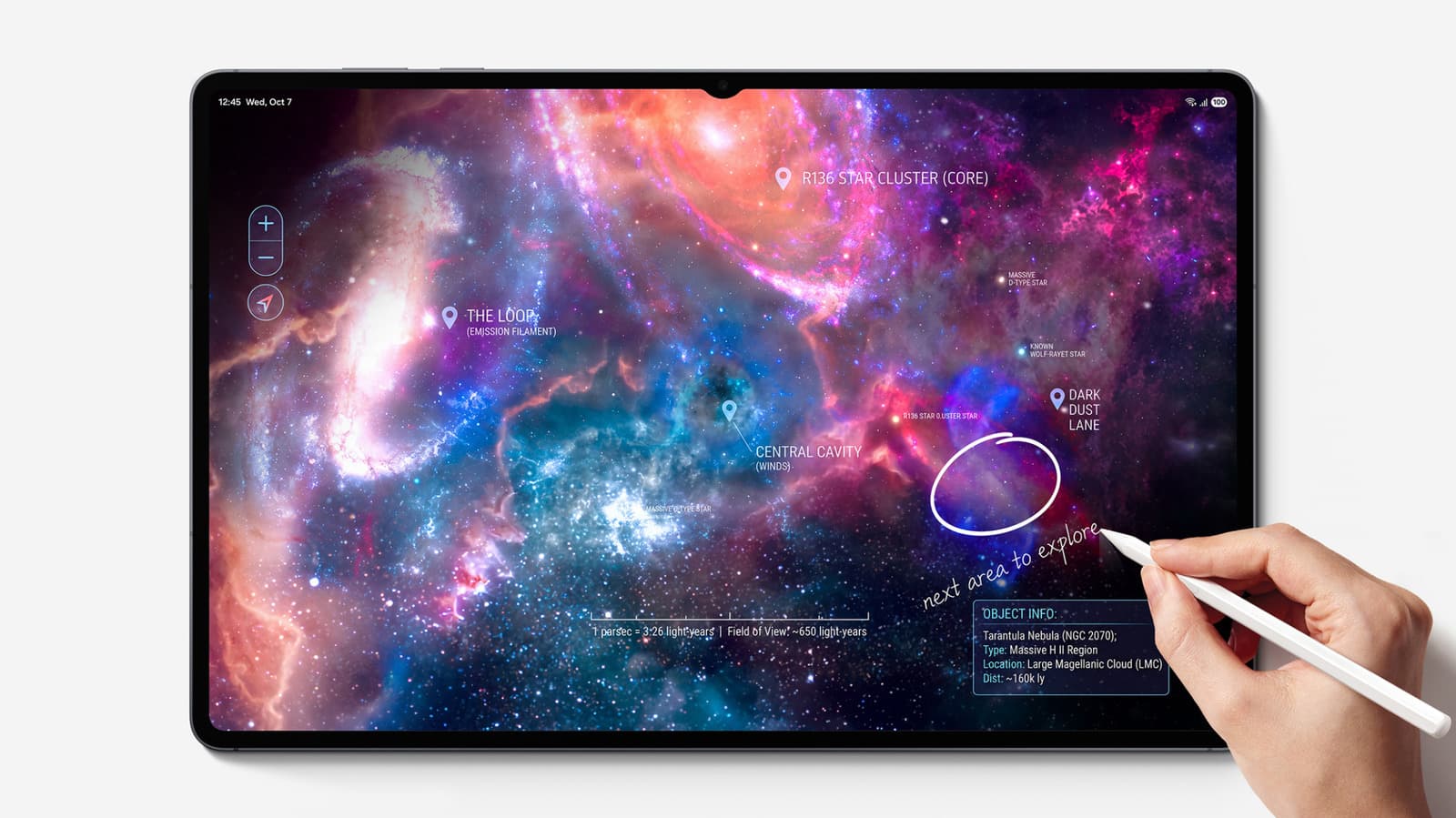
Samsung has unveiled the Galaxy Tab S12 Ultra, an incremental update to its high-end tablet lineup. The new model features minor upgrades, including four-channel spatial audio and a more powerful MediaTek Dimensity 9500 chip, but retains the same design, display, and battery as its predecessor. The launch comes alongside price increases for Samsung’s flagship smartphones, driven by rising memory costs and industry-wide supply challenges.
30 SEC SUMMARY
- Samsung has launched the Galaxy Tab S12 Ultra, an incremental upgrade to its high-end tablet lineup, with minor improvements over the Galaxy Tab S11 Ultra.
- The new model features four-channel spatial audio and a slightly more powerful MediaTek Dimensity 9500 chip but retains the same design, display, and battery specs as its predecessor.
- The Galaxy Tab S12 Ultra starts at $1,400, a $200 increase over the S11 Ultra’s launch price, reflecting broader industry trends of rising hardware costs.
- Samsung has also increased prices for its Galaxy S26 series in the US and South Korea, citing memory shortages and rising component costs.
- The company’s semiconductor division drove 94% of its Q1 profit, while its mobile division saw a 38% drop in operating profit.
TABLE OF CONTENTS
- Galaxy Tab S12 Ultra: Minor Upgrades, Same Design
- Price Increases Across Samsung’s Flagship Devices
- Financial Pressures and Industry Trends
- Galaxy Tab S12 Plus and SmartTag 3: Additional Launches
- What this means
- Key takeaways
- FAQ
- Sources
KEY HIGHLIGHTS
- The Galaxy Tab S12 Ultra retains the same 14.6-inch AMOLED display as the S11 Ultra, with a resolution of 2,960 by 1,848 pixels and 1,600 nits peak brightness for HDR content.
- The new model introduces four-channel spatial audio, upgrading from the S11 Ultra’s two-channel system.
- The Galaxy Tab S12 Ultra starts at $1,400, a $200 increase over the S11 Ultra’s launch price.
- Samsung’s Galaxy S26 series prices have risen by $100 to $200 in the US and South Korea, with the 1TB Ultra model now priced at $2,000.
- Samsung’s semiconductor division accounted for 94% of the company’s Q1 profit, while its mobile division’s operating profit fell by 38%.
Galaxy Tab S12 Ultra: Minor Upgrades, Same Design
Samsung has released the Galaxy Tab S12 Ultra, an iterative upgrade to its high-end tablet lineup. According to Engadget, the new model retains the same 14.6-inch AMOLED display as the Galaxy Tab S11 Ultra, with a resolution of 2,960 by 1,848 pixels and a peak brightness of 1,600 nits for HDR content.
The most notable improvement is the introduction of four-channel spatial audio, an upgrade from the two-channel system in the S11 Ultra. The tablet also features the MediaTek Dimensity 9500 chip, which Samsung claims offers a 61% increase in NPU performance, along with modest improvements in CPU and GPU speeds.
Despite these upgrades, the Galaxy Tab S12 Ultra’s physical dimensions, battery capacity (11,600 milliamp-hours), and 45W charging speed remain unchanged from the S11 Ultra. Both models share identical body measurements, weight, and an IP68 water and dust resistance rating.
The Galaxy Tab S11 Ultra will receive the same One UI 9.0 software update as the new model, ensuring consistency across the lineup.
Price Increases Across Samsung’s Flagship Devices
The Galaxy Tab S12 Ultra starts at $1,400 for the 256GB model with 12GB of RAM, a $200 increase over the S11 Ultra’s launch price. This price hike aligns with broader trends in Samsung’s pricing strategy, as the company has also raised the cost of its Galaxy S26 series in the United States and South Korea.
According to The Next Web, the Galaxy S26, S26+, and Ultra models have seen price increases of $100 to $200. The 1TB Ultra model now costs $2,000, a $200 jump from its previous price. Samsung has attributed these changes to a memory shortage, which has driven up the cost of DRAM and other components.
The price surges extend beyond Samsung. Apple and Google have also raised prices for their latest devices, citing similar supply chain challenges. Industry analyst firm Omdia expects phone prices to remain high even after the memory shortage subsides.
Financial Pressures and Industry Trends
Samsung’s semiconductor division has become a critical driver of the company’s profitability, contributing 94% of its first-quarter profit. According to The Next Web, DRAM contract prices rose 44% in just three months, leading to a 19-fold increase in Samsung’s operating profit in the second quarter, reaching 89.4 trillion won.
However, the company’s mobile division has struggled, with its operating profit falling by 38% in the first quarter. Samsung has warned that its mobile business could face its first annual loss in 2026 due to the ongoing memory shortage and rising costs.
The surge in memory prices has had a cascading effect on the broader consumer electronics market. RAM prices have increased sixfold over the past year, reaching $12 per gigabyte. This has led to higher production costs for devices like tablets and smartphones, which are being passed on to consumers.
Galaxy Tab S12 Plus and SmartTag 3: Additional Launches
Alongside the Galaxy Tab S12 Ultra, Samsung announced the Galaxy Tab S12 Plus, a slightly more affordable high-end tablet. According to TechRadar, the S12 Plus features a 12.6-inch AMOLED screen with a resolution of 2,800 by 1,752 pixels, a MediaTek Dimensity 9500 chipset, and up to 512GB of storage. It starts at $1,200, making it a mid-range alternative to the Ultra.
Samsung also introduced the Galaxy SmartTag 3, a new tracker with cross-platform compatibility for both Galaxy and iOS devices. The SmartTag 3 includes features like ‘Place Notification,’ which alerts users when a tagged item moves in or out of a designated area. The device will launch in South Korea on October 7 but won’t be available globally until 2027.
What this means
Lazyfounder analysis — our interpretation, not reported fact.
Samsung’s latest product launches reflect a cautious approach to innovation, prioritizing incremental upgrades over groundbreaking changes. The Galaxy Tab S12 Ultra’s minor improvements—such as four-channel audio and a slightly faster chip—suggest that Samsung is focusing on refining its existing high-end lineup rather than redefining it. However, the $200 price increase raises questions about whether these upgrades justify the higher cost for consumers.
The broader price hikes across Samsung’s flagship devices highlight the financial pressures facing hardware manufacturers. Rising memory costs and supply chain challenges are squeezing profitability, particularly for Samsung’s mobile division, which is already grappling with declining operating profits. If these trends continue, Samsung and its competitors may face difficult decisions about how to balance innovation, pricing, and profitability in the coming years.
For founders and operators, this situation underscores the importance of supply chain resilience and cost management. Companies reliant on hardware or semiconductor components may need to explore alternative suppliers, hedging strategies, or design optimizations to mitigate the impact of fluctuating prices. Additionally, the rise of cross-platform products like the Galaxy SmartTag 3 signals a growing demand for interoperability, which could be a valuable consideration for startups developing smart devices.
Key takeaways
- The Galaxy Tab S12 Ultra is a minor upgrade over the S11 Ultra, with improvements limited to audio, processing power, and software.
- Samsung has raised prices across its flagship tablets and smartphones, reflecting broader industry challenges like memory shortages.
- Memory price surges have significantly impacted Samsung’s mobile division profitability, with potential risks of an annual loss in 2026.
- The Galaxy SmartTag 3 introduces cross-platform compatibility with iOS but won’t launch globally until 2027.
FAQ
What are the key differences between the Galaxy Tab S12 Ultra and S11 Ultra?
The Galaxy Tab S12 Ultra introduces four-channel spatial audio and a slightly more powerful MediaTek Dimensity 9500 chip, with claims of a 61% improvement in NPU performance. However, it retains the same design, display, battery capacity, and charging speed as the S11 Ultra.
Why has Samsung increased the prices of its flagship devices?
Samsung has attributed the price increases to a memory shortage, which has driven up the cost of DRAM and other semiconductor components. The company’s semiconductor division has seen significant profit growth due to rising memory prices, but these costs are being passed on to consumers.
Will the Galaxy Tab S12 Ultra be available globally?
Yes, the Galaxy Tab S12 Ultra will be available globally, with sales beginning on October 7. However, the Galaxy SmartTag 3 will initially launch only in South Korea, with a global release not expected until 2027.
How has the memory shortage impacted Samsung’s profitability?
The memory shortage has had a mixed impact on Samsung. While its semiconductor division has seen a 19-fold increase in operating profit due to surging DRAM prices, its mobile division’s operating profit fell by 38% in the first quarter. The company has warned that its mobile business could face its first annual loss in 2026 if these trends continue.
Related on Lazyfounder
Sources
- Engadget · 2026-10-01
Samsung Galaxy Tab S12 Ultra Vs Galaxy Tab S11 Ultra: The Difference One Year Can Make - The Next Web · 2026-10-01
Samsung lifts prices across most of the Galaxy S26 range by $100 - TechRadar · 2026-09-30
The Samsung Galaxy Tab S12 Ultra is here to take on the iPad Pro M5 — and it's joined by a SmartTag 3 with iOS support
This story is an original summary drafted with AI by Lazyfounder from the reporting listed above and checked by automated validation. Facts are attributed to their original publishers; sections marked as analysis are Lazyfounder's. Where a source is in another language, facts were machine-translated and quotations are reported, not reproduced. Read the original coverage via the links, and see our AI policy and corrections policy.

About the author
Editor, Lazyfounder
Tarun Mottlia edits LazyFounders, covering Indian startups, funding rounds, AI and product launches. Every story on the site is AI-assisted and checked against its cited sources before publication.
More stories by Tarun MottliaGet the LazyFounder Brief
Startup, funding and AI news in a five-minute read. Join the early-access list.