
Europe’s AI Regulation: Colao Critiques GDPR and AI Act, Defends DSA
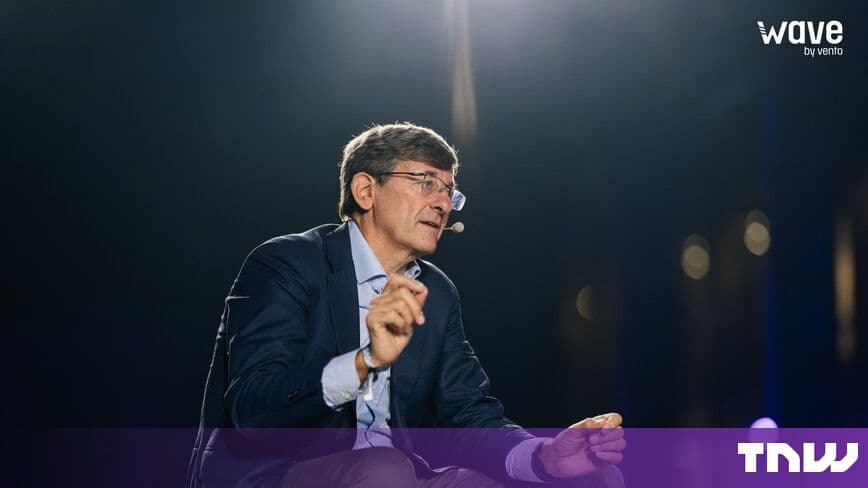
Vittorio Colao, Vice Chairman for Europe, the Middle East and Africa at General Atlantic, addressed the challenges of AI regulation in Europe during a session at Wave by Vento in Turin. While he defended copyright laws and the Digital Services Act (DSA) as pillars of digital democracy, he criticized GDPR and the complexity of the AI Act for hindering innovation.

Editor, Lazyfounder
30 SEC SUMMARY
- Vittorio Colao, Vice Chairman for Europe, the Middle East and Africa at General Atlantic, discussed the impact of regulation on AI development in Europe at the Wave by Vento event in Turin.
- Colao criticized the complexity of GDPR and the AI Act but defended copyright laws and the Digital Services Act (DSA) as essential for digital democracy.
- He emphasized the need for faster policy cycles and greater cooperation among European nations on energy, space, and defence.
- Colao identified four key AI risks: job displacement, erosion of human judgement, wealth concentration, and cybersecurity threats.
- AI-native startups with unique approaches and strong teams are more likely to succeed amid regulatory and market challenges.
TABLE OF CONTENTS
KEY HIGHLIGHTS
- Vittorio Colao, former Vodafone CEO and current Vice Chairman at General Atlantic, spoke at Wave by Vento in Turin about the impact of regulation on AI in Europe.
- Colao defended copyright laws and the Digital Services Act (DSA) but criticized GDPR and the complexity of the AI Act, calling the latter a "dog’s dinner" as previously described by Nick Clegg.
- He highlighted the need for faster policy cycles, run by competent professionals, to keep up with technological advancements.
- Colao identified four AI risks: jobs and social impact, erosion of human judgement, wealth concentration, and cybersecurity.
- He argued that Europe pays too much for energy and called for greater cooperation among member states on space, defence, and energy policy.
- AI-native startups with unique approaches and strong teams are more likely to succeed, while commoditised AI startups may struggle.
Colao’s critique of Europe’s AI regulation
According to The Next Web, Vittorio Colao, Vice Chairman for Europe, the Middle East and Africa at General Atlantic, argued that regulation is holding back AI development in Europe—but not all rules equally. He criticized the General Data Protection Regulation (GDPR) and the AI Act for their complexity, stating that they create barriers for innovation.
Colao also referenced former Meta executive Nick Clegg’s characterization of the AI Act as a "dog’s dinner," aligning with the view that the legislation is overly complicated and difficult to implement effectively.
Defending copyright and the Digital Services Act
While Colao was critical of GDPR and the AI Act, he defended copyright laws and the Digital Services Act (DSA). He emphasized the importance of protecting intellectual property and the value of creative work, siding with creators on copyright issues.
The DSA, which holds platforms accountable for harmful or fake content, was described by Colao as a cornerstone of digital democracy. He argued that such regulation is necessary to ensure responsibility and trust in digital spaces.
Need for faster policy cycles and cooperation
Colao highlighted a growing gap between technological advancements and policy development. He argued that lawmaking processes, which rely on lengthy consultations, are too slow to keep up with the pace of innovation in AI and other fields.
To address this, he called for faster policy cycles led by competent professionals, many of whom should come from the private sector. This, he suggested, would help bridge the gap between regulation and technological progress.
Beyond AI, Colao stressed the need for greater cooperation among European nations on energy, space, and defence. He pointed out that Europe pays too much for energy and that national politicians must think bigger to compete globally, citing examples like SpaceX and Starlink reshaping technology and policy.
AI startups: Opportunities and risks
Colao expressed optimism about AI-native startups with unique approaches, strong teams, and close customer relationships. He predicted these companies would thrive, while commoditised AI startups would struggle to secure funding and differentiate themselves.
At General Atlantic, Colao noted that the strength of a startup’s team is a critical factor in investment decisions. A team’s ability to pivot and adapt is often more important than the initial business idea.
He also identified four key risks associated with AI: the impact on jobs and social structures, the erosion of human judgement, wealth concentration, and cybersecurity threats. Colao urged the industry to work with policymakers to address these challenges proactively.
Energy and geopolitical challenges in Europe
Colao criticized the lack of cooperation among European nations on energy policy, noting that high energy costs are a significant barrier to competitiveness. He cited Spain’s ability to sell energy to France as an example of uneven progress, with France resisting competition.
He also called for greater collaboration on space and defence, arguing that Europe must think bigger to avoid falling behind the United States and other global players. The success of companies like SpaceX and Starlink, he suggested, demonstrates how private sector innovation can reshape policy and industry standards.
What this means
Lazyfounder analysis — our interpretation, not reported fact.
Colao’s remarks underscore a tension familiar to European founders: regulation can protect society but also stifle innovation if it becomes overly complex or slow. His defense of the DSA and copyright laws reflects a belief in the need for guardrails in digital and creative economies, while his criticism of GDPR and the AI Act highlights the bureaucratic hurdles that startups must navigate.
For AI founders, the message is clear: agility and adaptability are critical. Europe’s regulatory environment demands not only compliance but also proactive engagement with policymakers to shape rules that balance innovation and protection. The call for faster policy cycles also signals an opportunity for startups to collaborate with regulators to create more responsive frameworks.
Colao’s emphasis on energy and geopolitical cooperation suggests that startups in sectors like AI, space, and energy should advocate for cross-border collaboration to reduce costs and enhance competitiveness. Finally, his focus on team strength and unique approaches is a reminder that, even in a regulated market, the fundamentals of building a strong company—vision, adaptability, and customer focus—remain key to success.
Key takeaways
- European AI startups must navigate a complex regulatory landscape, where some rules (like GDPR and the AI Act) may hinder innovation, while others (like the DSA and copyright laws) provide necessary safeguards.
- Founders should prioritize agility and adaptability, as faster policy cycles and technological advancements demand quick pivots and strong teams.
- Cooperation among European nations on energy, defence, and space could reduce costs and create a more competitive environment for startups.
- AI risks like job displacement and wealth concentration require proactive engagement with policymakers to shape balanced regulations.
- Startups with unique, customer-centric AI approaches are better positioned to secure funding and succeed in a commoditised market.
FAQ
How does GDPR affect AI development in Europe?
According to Vittorio Colao, GDPR creates complexity and barriers that hinder AI innovation in Europe. He argued that its requirements slow down development and make it harder for startups to operate.
What is the Digital Services Act (DSA), and why does Colao support it?
The DSA is a regulation that holds digital platforms accountable for harmful or fake content. Colao supports it because he believes it ensures responsibility and trust in digital spaces, making it a pillar of digital democracy.
What are the four AI risks Colao identified?
Colao named four key risks associated with AI: the impact on jobs and social structures, the erosion of human judgement, wealth concentration, and cybersecurity threats.
Why does Colao believe Europe pays too much for energy?
Colao argued that a lack of cooperation among European nations leads to inefficient energy policies and high costs. He cited Spain’s ability to sell energy to France as an example of uneven progress, with France resisting competition.
What kind of AI startups does Colao believe will succeed?
Colao believes AI-native startups with unique approaches, strong teams, and close customer relationships are more likely to succeed, while commoditised AI startups may struggle to secure funding.
Related on Lazyfounder
Sources
- The Next Web · 2026-10-10
Vittorio Colao defends copyright rules and the DSA in Europe’s AI debate
This story is an original summary drafted with AI by Lazyfounder from the reporting listed above and checked by automated validation. Facts are attributed to their original publishers; sections marked as analysis are Lazyfounder's. Where a source is in another language, facts were machine-translated and quotations are reported, not reproduced. Read the original coverage via the links, and see our AI policy and corrections policy.

About the author
Editor, Lazyfounder
Tarun Mottlia edits LazyFounders, covering Indian startups, funding rounds, AI and product launches. Every story on the site is AI-assisted and checked against its cited sources before publication.
More stories by Tarun MottliaGet the LazyFounder Brief
Startup, funding and AI news in a five-minute read. Join the early-access list.
