
Starlink’s six dish models compared: Which one fits your needs?
Starlink has rolled out six satellite dish models, each designed for distinct use cases—from home internet to enterprise deployments. The lineup reflects a push to capture diverse market segments, though it also introduces trade-offs in speed, durability, and cost.

Editor, Lazyfounder
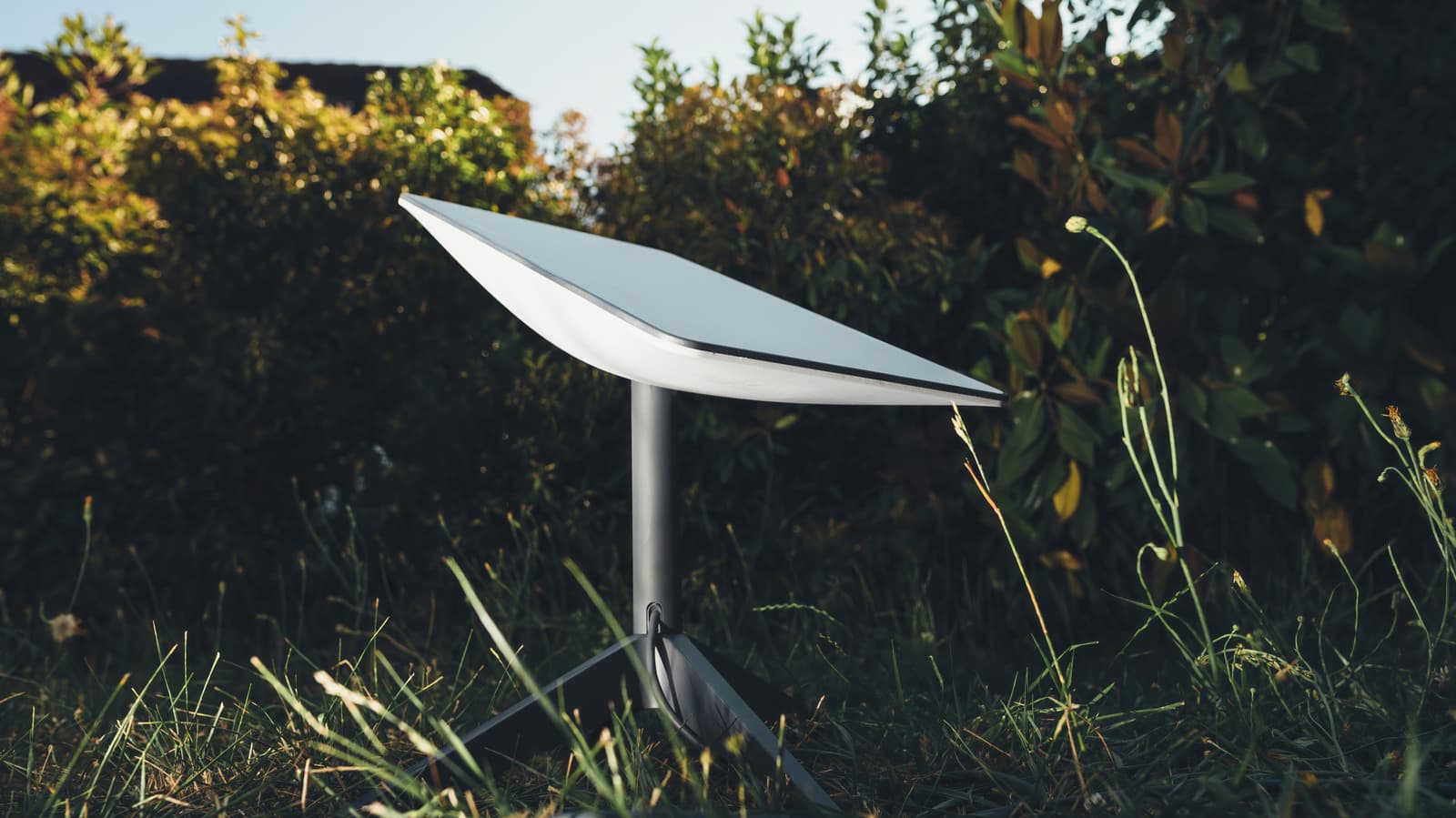
Starlink has rolled out six satellite dish models, each designed for distinct use cases—from home internet to enterprise deployments. The lineup reflects a push to capture diverse market segments, though it also introduces trade-offs in speed, durability, and cost.
30 SEC SUMMARY
- Starlink now offers six satellite dish models tailored for residential, portable, and enterprise use.
- The V4 dish is optimized for home use, while the V5 is smaller and more power-efficient but slightly slower.
- Starlink Mini is a portable, USB-C-powered option priced at $199.
- Performance (Gen 2) and (Gen 3) dishes are designed for mobility and extreme conditions, respectively.
- The Enterprise kit targets businesses with extended cable length and third-party router support.
TABLE OF CONTENTS
- Starlink’s expanding hardware lineup
- Residential-focused dishes: V4 and V5
- Portability and budget: The Starlink Mini
- Performance dishes: Gen 2 and Gen 3 for mobility and durability
- Enterprise: A kit for businesses
- Competition and market context
- What this means
- Key takeaways
- FAQ
- Sources
KEY HIGHLIGHTS
- Starlink has launched six dish models: V4, V5, Mini, Performance (Gen 2 and Gen 3), and Enterprise.
- The V4 is designed for residential use, weighing 6.4 pounds and delivering speeds over 400 Mbps.
- The V5 is smaller and lighter than the V4 but offers slightly lower speeds (up to 375 Mbps).
- The Starlink Mini is portable, USB-C-powered, and priced at $199 for budget-conscious users.
- Performance (Gen 2) and (Gen 3) dishes are built for mobility and extreme conditions, with Gen 3 rated IP69K.
- The Enterprise kit includes a 50-meter cable and supports third-party routers for business use.
Starlink’s expanding hardware lineup
According to Engadget, Starlink now offers six satellite dish models, each targeting different user needs. The lineup includes options for residential use, portability, mobility, and enterprise applications. This segmentation mirrors how software companies tier subscriptions, but for hardware, it adds complexity in manufacturing, pricing, and customer support.
Residential-focused dishes: V4 and V5
The Starlink V4 dish is positioned as the standard residential model, measuring 23.4 by 15 inches and weighing 6.4 pounds. It supports everyday activities like streaming, video calls, and online gaming, with peak download speeds exceeding 400 Mbps.
The V5 dish is smaller (15.1 by 12 inches) and lighter (2.4 pounds), with improved power efficiency. However, its peak download speed caps at 375 Mbps. According to Engadget, the V5 is currently available only in select areas as production scales up.
Portability and budget: The Starlink Mini
The Starlink Mini is designed for users who prioritize portability. Measuring 11.75 by 10.2 inches and weighing 2.4 pounds, it can be powered via USB-C. Originally priced at $599, it now retails for $199 when purchased directly from Starlink. This price point could make satellite internet more accessible for travelers, remote workers, or temporary setups.
Performance dishes: Gen 2 and Gen 3 for mobility and durability
The Starlink Performance (Gen 2) dish is optimized for mobility, featuring a wider field of view and enhanced GPS capabilities. It is marketed for use in moving vehicles and boats, addressing the needs of users who require connectivity on the go.
The Performance (Gen 3) dish is built for extreme conditions, with an operating temperature range of minus 40 to 140 degrees Fahrenheit. It carries an IP69K rating, making it resistant to water, dust, and high-pressure cleaning. This model supports both AC and DC power, expanding its use cases in rugged environments.
Enterprise: A kit for businesses
Starlink’s Enterprise kit targets businesses and fixed-site applications. It includes a 50-meter cable, offering more flexibility in installation. The kit is compatible with third-party routers, making it suitable for organizations with existing network infrastructure. According to Engadget, Starlink positions this model for power users and enterprise deployments.
Competition and market context
Starlink’s hardware expansion comes as traditional telecom providers and tech giants ramp up efforts to eliminate connectivity dead zones. A recent joint venture between AT&T, T-Mobile, and Verizon aims to leverage satellite technology to improve coverage in remote and emergency scenarios, though no launch timeline has been announced.
In the airline industry, Delta Air Lines recently opted for Amazon’s Project Leo over Starlink for in-flight Wi-Fi, despite Starlink’s growing adoption by competitors like United and American Airlines. This decision drew public criticism from Elon Musk, highlighting the competitive stakes in satellite-based connectivity.
What this means
Lazyfounder analysis — our interpretation, not reported fact.
Starlink’s expansion into multiple hardware variants reflects a clear strategy to address diverse customer needs—from home users to businesses and travelers. For founders and operators, this segmentation is a reminder that hardware flexibility can open new markets, but it also adds complexity in inventory, support, and positioning. If Starlink can successfully balance performance, cost, and durability across these models, it could further solidify its edge in the satellite internet space, especially as traditional telcos and tech giants ramp up competition. However, the real test will be whether customers adopt these specialized dishes or gravitate toward the simplest, most cost-effective option.
Key takeaways
- Starlink’s product lineup now caters to specific use cases, from residential to enterprise.
- Smaller, lighter dishes like the V5 and Mini prioritize efficiency and portability over raw speed.
- Performance and Enterprise models are built for durability and flexibility, but likely at a premium.
- The $199 Mini could lower the barrier to entry for casual or temporary users.
- Starlink’s segmentation mirrors how SaaS companies tier offerings—hardware is following suit.
FAQ
Which Starlink dish is best for home use?
The Starlink V4 dish is tailored for residential use, offering peak download speeds exceeding 400 Mbps and a design optimized for everyday activities like streaming and gaming.
How does the Starlink Mini differ from other models?
The Mini is portable, USB-C-powered, and priced at $199, making it the most affordable and lightweight option. However, it may not match the speed or durability of larger models like the V4 or Performance dishes.
What is the IP69K rating on the Performance (Gen 3) dish?
An IP69K rating means the dish is resistant to water, dust, and high-pressure cleaning, making it suitable for extreme environments.
Is the Starlink Enterprise kit compatible with third-party routers?
Yes, the Enterprise kit includes a 50-meter cable and supports integration with third-party routers, offering more flexibility for business deployments.
Why is Starlink offering so many dish models?
Starlink’s segmented lineup aims to address specific customer needs—whether it’s portability, durability, or raw performance. This strategy mirrors how software companies tier their offerings, but for hardware, it adds complexity in manufacturing and support.
Related on Lazyfounder
Sources
- Engadget · 2026-10-04
Every Starlink Dish Available: How To Know Which Setup May Be Right For You
This story is an original summary drafted with AI by Lazyfounder from the reporting listed above and checked by automated validation. Facts are attributed to their original publishers; sections marked as analysis are Lazyfounder's. Where a source is in another language, facts were machine-translated and quotations are reported, not reproduced. Read the original coverage via the links, and see our AI policy and corrections policy.

About the author
Editor, Lazyfounder
Tarun Mottlia edits LazyFounders, covering Indian startups, funding rounds, AI and product launches. Every story on the site is AI-assisted and checked against its cited sources before publication.
More stories by Tarun MottliaGet the LazyFounder Brief
Startup, funding and AI news in a five-minute read. Join the early-access list.
