
Former Super Micro Contractor Pleads Guilty to Smuggling AI Servers to China
A former contractor for Super Micro Computer has pleaded guilty to conspiring to smuggle AI servers to China in violation of US export controls. The scheme, valued at $2.5bn, involved diverting servers powered by restricted Nvidia chips to customers in China through a Southeast Asian intermediary.

Editor, Lazyfounder
30 SEC SUMMARY
- A former contractor for Super Micro Computer, Ting-Wei ‘Willy’ Sun, pleaded guilty to smuggling AI servers to China in violation of US export controls.
- Sun admitted to being a ‘fixer’ in a $2.5bn scheme to divert AI servers powered by Nvidia chips, which are banned for sale to China.
- The scheme involved falsifying records and routing servers through a Southeast Asian company before sending them to China.
- Super Micro co-founder Yih-Shyan ‘Wally’ Liaw pleaded not guilty and left the company’s board, while the company itself is not a defendant.
TABLE OF CONTENTS
KEY HIGHLIGHTS
- Ting-Wei ‘Willy’ Sun pleaded guilty in a Manhattan federal court to conspiring to smuggle AI servers to China.
- The scheme involved diverting AI servers powered by Nvidia chips, which are barred from sale to China under US export rules.
- Sun was described as a ‘fixer’ in a $2.5bn operation to divert US AI technology to China, pleading guilty to four counts, including conspiracy to break export controls.
- Super Micro co-founder Yih-Shyan ‘Wally’ Liaw has pleaded not guilty and stepped down from the company’s board.
- Super Micro is not a defendant in the case and claims its current leadership was unaware of the scheme.
- A similar case involved a California man charged with sending $300mn worth of AI servers to China.
Who is involved in the smuggling scheme
Ting-Wei ‘Willy’ Sun, a former contractor for Super Micro Computer, pleaded guilty in a Manhattan federal court to helping smuggle AI servers to China. He was described by US authorities as a ‘fixer’ in a $2.5bn scheme to divert US AI technology to China.
Sun admitted to conspiring with others to send AI servers powered by Nvidia chips to a company in Southeast Asia before diverting them to customers in China. These chips are barred from direct sale to China under US export controls.
Sun pleaded guilty to four counts, including conspiracy to break export controls and fraud. He is scheduled to be sentenced in September 2027.
Two other individuals were also charged in the scheme: Super Micro co-founder Yih-Shyan ‘Wally’ Liaw and former Taiwan sales manager Ruei-Tsang ‘Steven’ Chang. Liaw has pleaded not guilty and left the company’s board, while Chang has not appeared in court.
Super Micro itself is not a defendant in the case. The company stated that its current leaders were unaware of the scheme and are cooperating with investigators.
How the scheme operated
Prosecutors allege that Sun and his co-conspirators used a Southeast Asian company as an intermediary to disguise the final destination of the AI servers. The servers contained Nvidia chips, which are subject to US export restrictions prohibiting their sale to China.
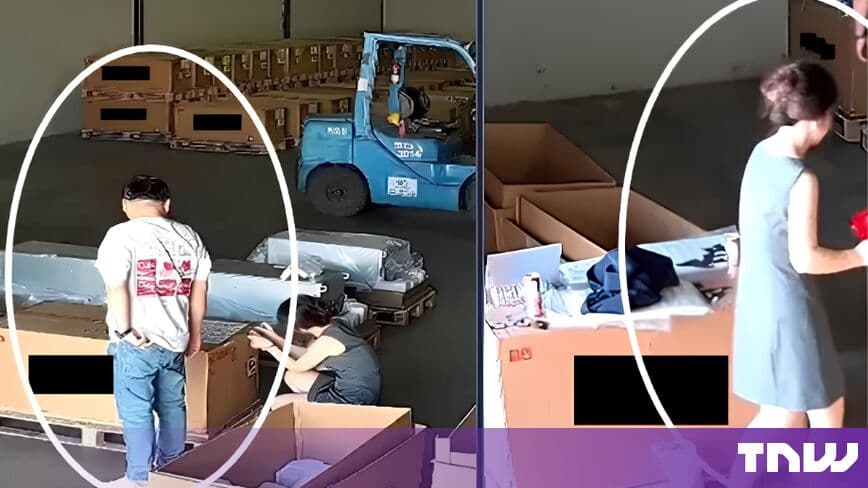
To evade audits, the group falsified records and created ‘dummy’ servers. They allegedly used a hair dryer to attach serial numbers to these servers, attempting to mask the diversion of the actual hardware.
The scheme is part of a broader pattern of efforts to bypass US export controls on advanced technology. Last week, US prosecutors charged a California man with sending $300mn worth of AI servers to China.
What this means
Lazyfounder analysis — our interpretation, not reported fact.
This case highlights the growing scrutiny and enforcement of US export controls on advanced technology, particularly AI hardware bound for China. For founders and operators in the hardware or AI sectors, it underscores the risks of supply chain diversions and the importance of rigorous compliance measures. Even unintentional involvement in such schemes can lead to severe legal and reputational consequences, as seen with Super Micro’s indirect entanglement. The case also serves as a reminder that regulators are actively pursuing not just companies but individuals involved in circumventing trade restrictions.
Key takeaways
- Founders and operators must implement strict compliance measures to ensure their supply chains adhere to US export controls, especially when dealing with restricted markets like China.
- Individuals involved in smuggling or diversion schemes face significant legal risks, including criminal charges and potential imprisonment.
- Companies linked to such schemes—even indirectly—may suffer reputational damage and operational disruptions, as seen with Super Micro’s leadership changes.
- The US government is actively enforcing export restrictions on advanced technology, and similar cases are likely to increase as geopolitical tensions rise.
FAQ
What specific charges did Ting-Wei ‘Willy’ Sun plead guilty to?
Sun pleaded guilty to four counts, including conspiracy to break US export controls, fraud, and smuggling AI servers to China.
Is Super Micro Computer facing legal consequences in this case?
No, Super Micro is not a defendant in the case. The company claims its current leadership was unaware of the scheme and is cooperating with investigators.
What role did Nvidia chips play in this scheme?
The AI servers involved in the scheme were powered by Nvidia chips, which are barred from sale to China under US export rules. The scheme attempted to bypass these restrictions by routing the servers through a third country.
Related on Lazyfounder
Sources
- The Next Web · 2026-10-10
Super Micro case ‘fixer’ pleads guilty to sending AI servers to China
This story is an original summary drafted with AI by Lazyfounder from the reporting listed above and checked by automated validation. Facts are attributed to their original publishers; sections marked as analysis are Lazyfounder's. Where a source is in another language, facts were machine-translated and quotations are reported, not reproduced. Read the original coverage via the links, and see our AI policy and corrections policy.

About the author
Editor, Lazyfounder
Tarun Mottlia edits LazyFounders, covering Indian startups, funding rounds, AI and product launches. Every story on the site is AI-assisted and checked against its cited sources before publication.
More stories by Tarun MottliaGet the LazyFounder Brief
Startup, funding and AI news in a five-minute read. Join the early-access list.
