
Americans doubt AI not because of ads, but because of power bills and layoffs
Eric Schmidt, Google’s former CEO, told Axios the AI industry’s real problem isn’t bad messaging—it’s that Americans are seeing higher electricity bills and job cuts they tie to AI. Entrepreneur AJ Agrawal agrees: companies leaning too hard on automation are losing customer trust. His data shows 79 % of Americans still want a human on the line when it counts.

Editor, Lazyfounder
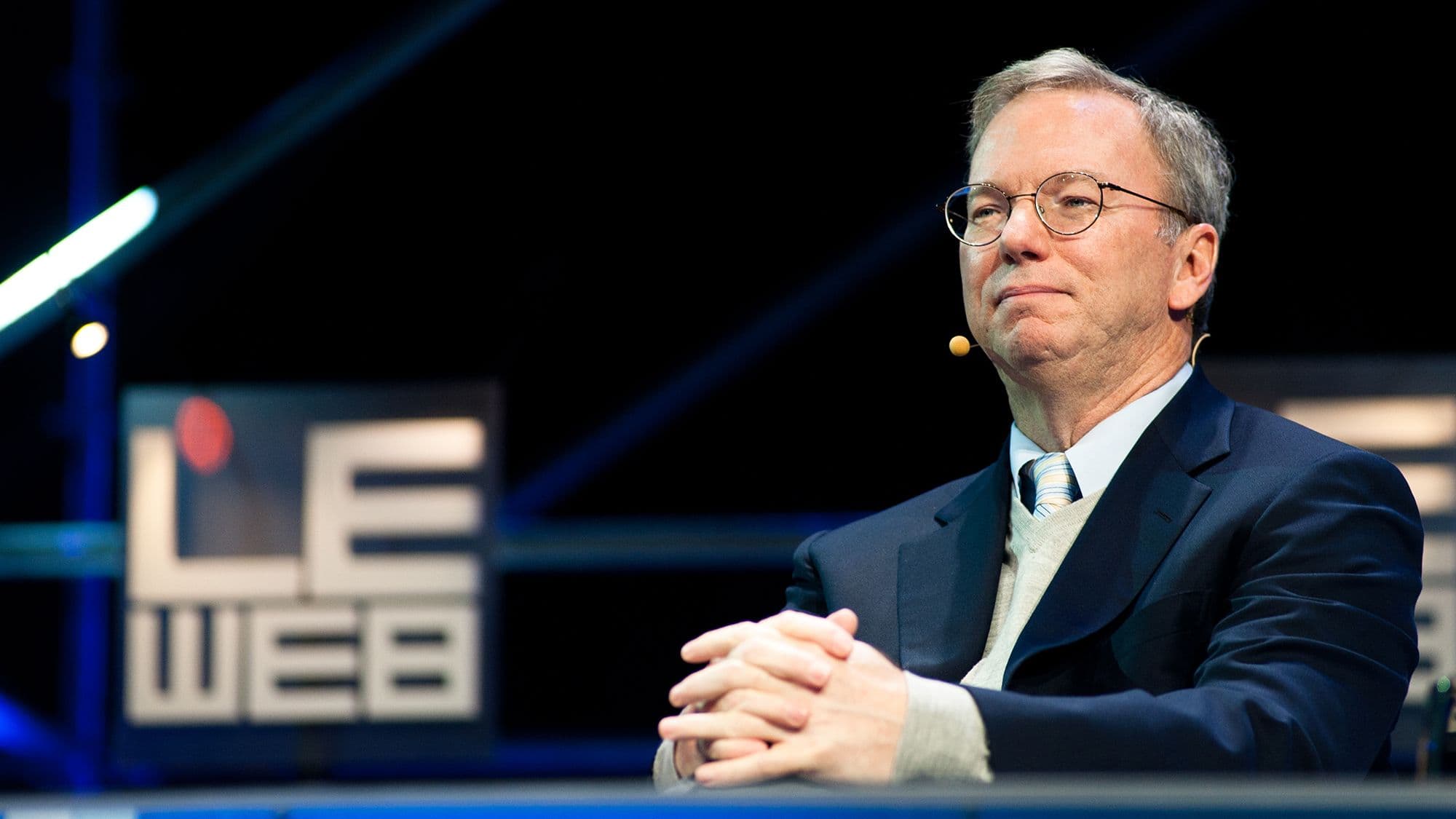
TABLE OF CONTENTS
- Public doubts about AI run deeper than PR campaigns
- Firsthand experience, not ads, shapes opinions
- The 'human premium': how one personal reply saves relationships
- Cold outreach by video books more meetings than AI chat
- AI handles volume; humans save the accounts that matter
- What this means
- Key takeaways
- Sources
Public doubts about AI run deeper than PR campaigns
Former Google CEO Eric Schmidt told Axios the AI industry is losing the public-relations battle because its messages dwell on negatives, not benefits. The backlash over data centers—higher electricity bills, environmental worries—has turned into a political issue during the U.S. election. Schmidt suggested moving centers away from cities, but critics say the problem isn’t bad messaging; it’s the public weighing real costs against what AI actually delivers.
Firsthand experience, not ads, shapes opinions
Millions of Americans have now used ChatGPT or Google Gemini. Their verdicts aren’t shaped by ads; they’re shaped by monthly power bills and news of layoffs. TechRadar points out that even massive marketing budgets haven’t convinced most people that AI’s upsides outweigh its downsides. For voters worried about jobs or the environment, no slick campaign can erase lived experience.
The 'human premium': how one personal reply saves relationships
Entrepreneur AJ Agrawal warns that companies racing to replace every customer touchpoint with AI are missing a simple truth: people still trust people. He calls the outsized return from human intervention in critical moments the “human premium.” Google CEO Sundar Pichai illustrated the point when he personally replied to a developer whose app review was stalled. The post on X racked up over 334,000 views, turning frustration into goodwill. Intuit SVP David Graham did the same by jumping in to unlock a QuickBooks account; the customer publicly praised the move, instead of canceling.
Cold outreach by video books more meetings than AI chat
Data backs Agrawal’s argument. A Gartner survey found 64 % of customers would rather companies not use AI in service at all, and 79 % of Americans prefer a human agent. Even among Gen Z—often seen as AI-friendly—66 % still want to talk to a real person. Agrawal has tested this himself: personalized videos sent to Fortune 500 executives landed him ten cold-meeting slots that generic emails never would. Mark Cuban routinely answers 150 customer emails a day; customers notice and stay longer.
AI handles volume; humans save the accounts that matter
The real tension is not AI versus humans, but knowing when each works best. AI can answer ten thousand routine questions a minute; a human can save one relationship that keeps a contract worth millions. Companies that automate everything risk looking indifferent just when customers need reassurance. The trust eroded by a single bad bot conversation can take years to rebuild.
What this means
Lazyfounder analysis — our interpretation, not reported fact.
Public skepticism toward AI won’t fade with better ads or press releases. When people see their electricity bills rise because of data centers—or lose a job to automation—they don’t need more marketing; they need tangible proof that AI improves their daily lives. For businesses, this means AI tools should handle routine tasks, but the moment a customer is about to walk away, a human should step in. That split-second decision can turn a complaint into a loyalty story that travels far beyond the original transaction.
Key takeaways
- Skepticism about AI is driven by concrete concerns like electricity costs, environmental harm, and job losses, not poor messaging.
- 64 % of customers tell Gartner they want no AI in service; 79 % of Americans prefer human agents.
- Personal outreach by executives—emails, calls, videos—still books more Fortune 500 meetings than mass campaigns.
- AI can clear the queue, but a single human decision in a critical moment often saves or expands a customer relationship.
Related on Lazyfounder
Sources
- TechRadar · 2026-11-11
‘Our industry does a terrible job of marketing our benefits': Google's former CEO Eric Schmidt thinks AI has a PR problem — but maybe people understand it just fine - The Next Web · 2026-11-11
Why this entrepreneur thinks enterprises need more human moments
This story is an original summary drafted with AI by Lazyfounder from the reporting listed above and checked by automated validation. Facts are attributed to their original publishers; sections marked as analysis are Lazyfounder's. Where a source is in another language, facts were machine-translated and quotations are reported, not reproduced. Read the original coverage via the links, and see our AI policy and corrections policy.

About the author
Editor, Lazyfounder
Tarun Mottlia edits LazyFounders, covering Indian startups, funding rounds, AI and product launches. Every story on the site is AI-assisted and checked against its cited sources before publication.
More stories by Tarun MottliaGet the LazyFounder Brief
Startup, funding and AI news in a five-minute read. Join the early-access list.
