
Elon Musk Accuses Reliance of Monopoly in India’s Internet Sector
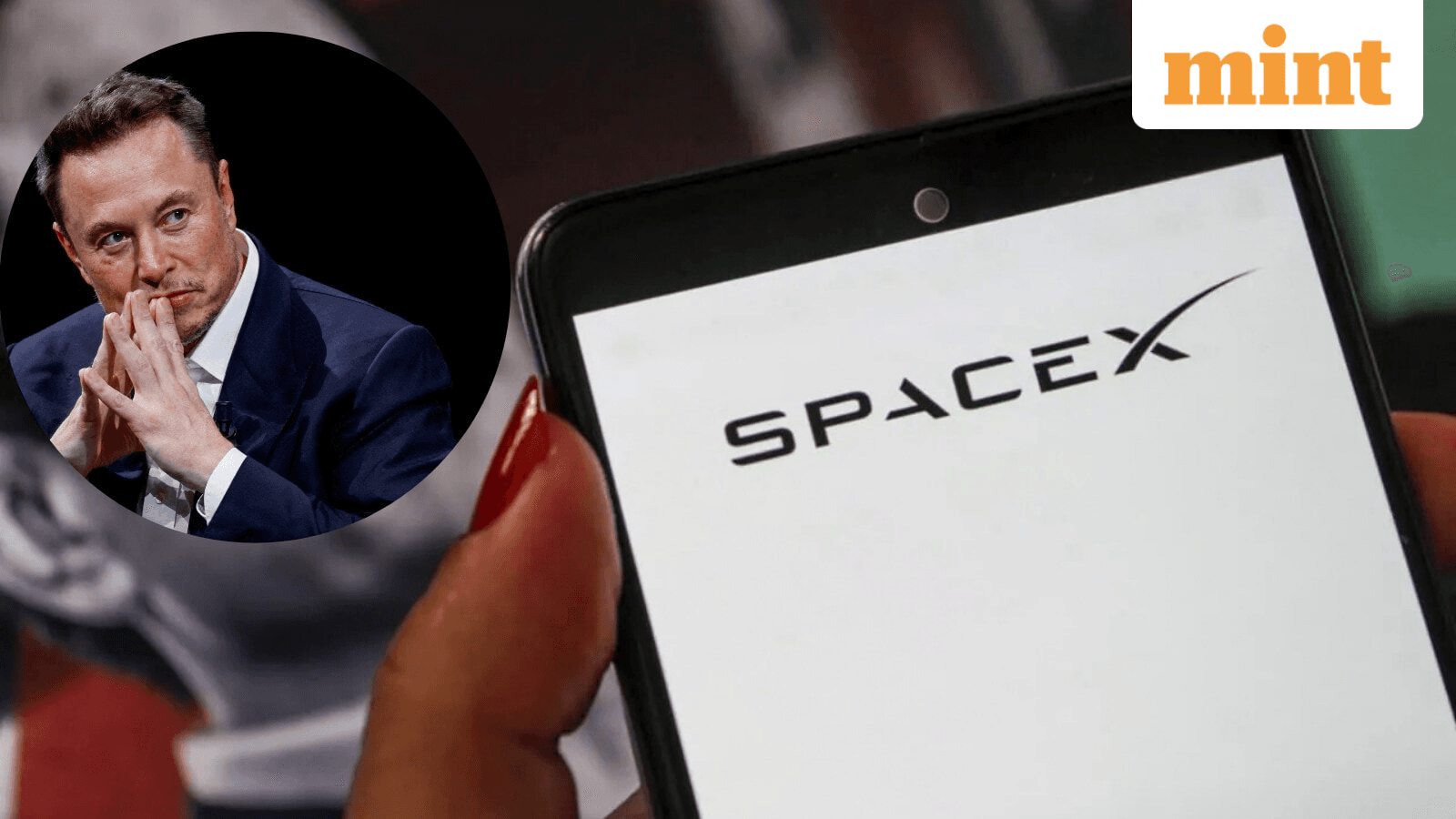
Elon Musk, CEO of SpaceX and Tesla, has publicly accused Mukesh Ambani and Reliance Industries of maintaining a "de facto monopoly" in India’s internet sector, blocking competition from Starlink. The dispute highlights India’s regulatory stance on spectrum allocation and competition in telecom.

Editor, Lazyfounder
30 SEC SUMMARY
- Elon Musk accused Mukesh Ambani and Reliance Industries of maintaining a "de facto monopoly" in India’s internet sector, arguing that Starlink’s entry would benefit Indian citizens.
- India’s Union Telecom Minister Jyotiraditya Scindia responded by stating that India does not allow monopolies and is "technology agnostic."
- The dispute centers on spectrum allocation for satellite communications and competition in India’s telecom market.
- Musk emphasized that satellite broadband could improve connectivity in underserved areas, bridging the digital divide.
TABLE OF CONTENTS
KEY HIGHLIGHTS
- Elon Musk publicly accused Mukesh Ambani of maintaining a "de facto monopoly" in India’s internet sector, opposing Starlink’s entry.
- Musk argued that competition from Starlink would benefit average Indian citizens by providing more choices and improving connectivity in underserved areas.
- Union Telecom Minister Jyotiraditya Scindia stated that India does not allow monopolies and is "technology agnostic," granting licenses to multiple players including Jio, OneWeb, and Starlink.
- The dispute highlights differing views on spectrum allocation for satellite communications in India.
Musk’s Accusations of Monopoly
According to Mint (Technology), Elon Musk accused Mukesh Ambani, founder of Reliance Industries, of maintaining a "de facto monopoly" in India’s internet sector. Musk argued that this monopoly is hindering competition and limiting choices for Indian consumers.
Musk previously claimed that Ambani’s dominance amounts to "monopolistic exploitation of the great people of India." He contended that allowing Starlink, SpaceX’s satellite internet service, to enter the market would introduce much-needed competition.
Musk emphasized that satellite broadband could bridge the connectivity gap in India, particularly in rural and underserved areas. He suggested that improved access would create educational opportunities and enable small businesses to participate in global markets.
India’s Regulatory Stance
Union Telecom Minister Jyotiraditya Scindia responded to Musk’s accusations by stating that India does not allow monopolies in any sector. He emphasized that the government is "technology agnostic" and committed to fostering competition.
Scindia noted that the Department of Telecommunications has granted licenses to multiple players, including Reliance Jio, OneWeb, and Starlink. This, he argued, demonstrates the government’s commitment to creating a level playing field in the telecom sector.
Starlink’s Potential Impact on India
Starlink, SpaceX’s satellite internet service, aims to provide high-speed internet access to remote and underserved regions. Musk’s push for its entry into India aligns with the country’s goals of digital inclusion and bridging the urban-rural divide.
However, the dispute over spectrum allocation and regulatory hurdles has delayed Starlink’s rollout. The outcome could set a precedent for how India manages competition in its telecom sector, particularly for foreign players.
What this means
Lazyfounder analysis — our interpretation, not reported fact.
This dispute underscores the broader tension between global tech giants and established domestic players in emerging markets. For founders and operators, it signals the challenges of entering markets dominated by incumbents with deep political and regulatory ties. Musk’s public criticism also reflects a growing trend of using advocacy for competition as a tool to pressure regulators and accelerate market access. However, the outcome will depend on how India balances its push for digital inclusion with its regulatory framework.
Key takeaways
- Founders eyeing emerging markets must navigate complex regulatory landscapes and incumbent dominance, often requiring public advocacy or political engagement.
- Satellite internet services like Starlink could reshape connectivity in underserved regions, but their success depends on regulatory decisions and spectrum allocation.
- Governments may emphasize competition in principle, but the implementation of policies often determines the ease of market entry for new players.
- Public disputes between global tech leaders and domestic incumbents can draw attention to regulatory barriers, potentially accelerating reform.
FAQ
What is the core dispute between Elon Musk and Mukesh Ambani?
The dispute centers on Musk’s accusation that Ambani’s Reliance Industries maintains a "de facto monopoly" in India’s internet sector, blocking competition from Starlink. Musk argues that this limits choices for Indian consumers and hinders connectivity in underserved areas.
How has the Indian government responded to Musk’s accusations?
Union Telecom Minister Jyotiraditya Scindia stated that India does not allow monopolies and is "technology agnostic." He pointed out that the government has granted licenses to multiple players, including Jio, OneWeb, and Starlink, to ensure competition.
What is Starlink, and why does it matter for India?
Starlink is SpaceX’s satellite internet service, designed to provide high-speed internet access to remote and underserved regions. Its entry into India could improve connectivity, bridge the digital divide, and create opportunities for education and small businesses.
Related on Lazyfounder
Sources
- Mint (Technology) · 2026-10-11
‘Competition would greatly benefit average Indian’: Elon Musk takes a fresh swipe at Ambani over Starlink’s entry
This story is an original summary drafted with AI by Lazyfounder from the reporting listed above and checked by automated validation. Facts are attributed to their original publishers; sections marked as analysis are Lazyfounder's. Where a source is in another language, facts were machine-translated and quotations are reported, not reproduced. Read the original coverage via the links, and see our AI policy and corrections policy.

About the author
Editor, Lazyfounder
Tarun Mottlia edits LazyFounders, covering Indian startups, funding rounds, AI and product launches. Every story on the site is AI-assisted and checked against its cited sources before publication.
More stories by Tarun MottliaGet the LazyFounder Brief
Startup, funding and AI news in a five-minute read. Join the early-access list.
