
AI-planned hiking route leaves teen stranded on cliff near Vancouver
A 16-year-old hiker was rescued after becoming stranded on a cliff near Vancouver while following a hiking route planned by an AI tool. The incident has sparked debate about the risks of relying on AI for critical decisions, particularly in outdoor recreation where safety is paramount.

Editor, Lazyfounder
A 16-year-old hiker was rescued after becoming stranded on a cliff near Vancouver while following a hiking route planned by an AI tool. The incident has sparked debate about the risks of relying on AI for critical decisions, particularly in outdoor recreation where safety is paramount.
30 SEC SUMMARY
- A 16-year-old hiker was rescued after becoming stranded on a cliff near Vancouver while following an AI-planned hiking route.
- The incident raises concerns about the reliability of AI for critical tasks like navigation and outdoor safety.
- North Shore Rescue volunteers located and extracted the teen using helicopter assistance.
- AI tools like Google’s Gemini have previously led hikers into dangerous situations due to inaccurate or incomplete advice.
- Experts recommend using established navigation tools like Gaia GPS, CalTopo, or AllTrails instead of AI for outdoor planning.
TABLE OF CONTENTS
- What happened
- AI’s role in outdoor safety
- Background
- What this means
- Key takeaways
- FAQ
- Sources
KEY HIGHLIGHTS
- A 16-year-old solo hiker was rescued after becoming stranded on a cliff near Vancouver while following an AI-planned route.
- The teen ended up on a steep climbing route called the ‘Widowmaker’ after deviating from the intended trail.
- North Shore Rescue volunteers conducted a helicopter-assisted extraction to save the hiker.
- Search and rescue teams warn against relying on AI for navigation, citing previous incidents of AI-led hikers getting into danger.
- The incident occurs as companies like Meta and OpenAI promote AI agents for everyday tasks, including travel planning.
What happened
A 16-year-old hiker was rescued on Crown Mountain near Vancouver after becoming stranded on a cliff while following a hiking route planned by an AI tool. According to Gizmodo, the teen set out from nearby Grouse Mountain in the morning with the AI-generated route, which was intended to guide him up Crown Mountain via a gully.
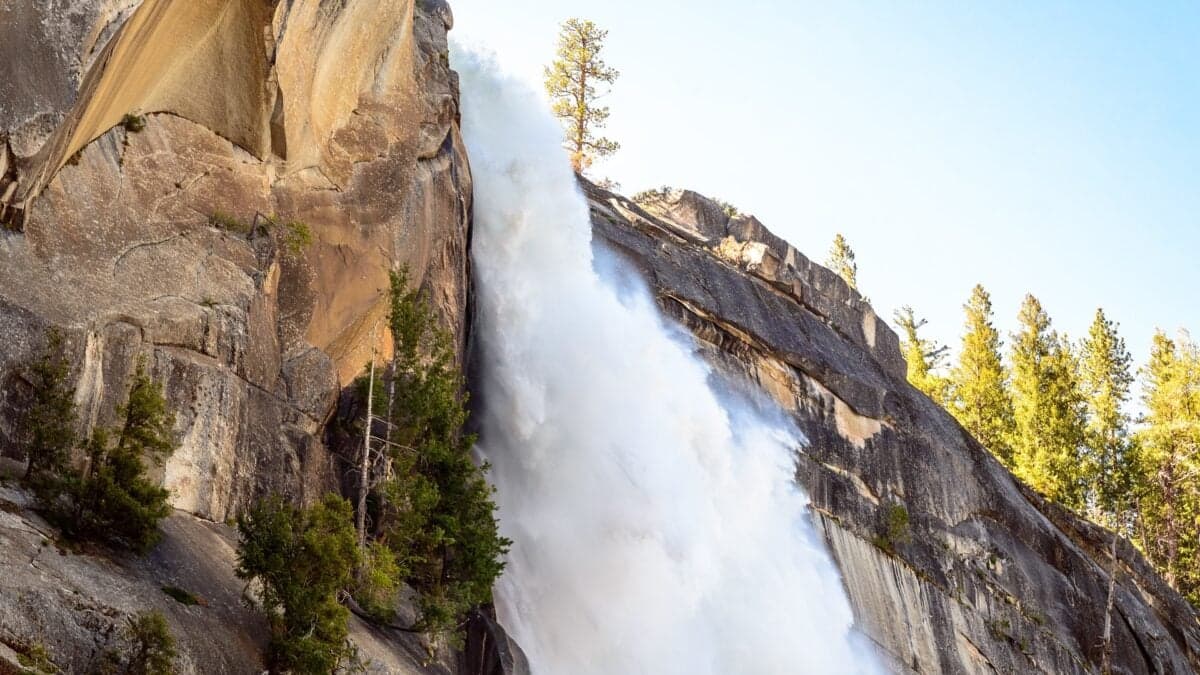
Instead, the route led him into steep rock-climbing terrain, leaving him stranded at the base of a cliff on a section known as the ‘Widowmaker.’ North Shore Rescue, a volunteer search and rescue team, was already conducting a helicopter training exercise on the mountain and rerouted to locate and extract the teen.
Rescuers contacted the teen by phone, pinpointed his location, and lowered two technicians from a helicopter to hoist him to safety. The operation concluded shortly before 6:30 p.m.
AI’s role in outdoor safety
The incident adds to growing concerns about the reliability of AI tools for tasks requiring precision and safety, such as outdoor navigation. According to Gizmodo, it remains unclear which AI tool the teen used, but similar incidents have been reported. Earlier cases involve hikers on California’s Mount Shasta who relied on Google’s Gemini for trip planning and required rescue after encountering dangerous conditions.
Paul Markey, a search manager with North Shore Rescue, advised against depending on AI for route planning. He recommended using established navigation tools like Gaia GPS, CalTopo, or AllTrails, which are designed for outdoor use and regularly updated by experts.
The incident occurs as companies like Meta and OpenAI expand the use of AI agents for everyday tasks, including travel planning and logistics. While these tools promise convenience, critics warn they may not account for real-world variables like terrain difficulty, weather, or user experience.
Background
The rescue comes amid broader debates about AI’s role in safety-critical applications. Recent developments include OpenAI’s introduction of invisible watermarks for AI-generated text in the European Union to comply with the EU’s AI Act, though detection reliability remains a challenge. Meanwhile, Meta’s AI agent Muse has faced scrutiny for its data collection practices, raising privacy concerns.
In parallel, ethical concerns about AI’s rapid deployment have intensified. A former researcher at Anthropic and OpenAI, Jacob Coxon, is set to testify about the risks of advanced AI systems at an upcoming hearing in New York City. Separately, the Pentagon has severed ties with Anthropic, designating it a "supply chain risk" amid an ongoing legal dispute.
What this means
Lazyfounder analysis — our interpretation, not reported fact.
This incident underscores a growing tension between the rapid adoption of AI tools for everyday tasks and their real-world reliability. For founders and operators in the AI space, it’s a reminder that consumer-facing applications—especially those involved in safety-critical activities—require robust validation, clear disclaimers, and fail-safes. While AI can augment decision-making, this case shows how over-reliance without human oversight can lead to dangerous outcomes. For outdoor enthusiasts and tech developers alike, it also highlights the need for better education on when and how to use AI responsibly.
Key takeaways
- A 16-year-old hiker was stranded on a cliff after following an AI-generated hiking route near Vancouver.
- The teen was rescued by North Shore Rescue after becoming trapped on a climbing route known as the ‘Widowmaker.’
- AI tools have previously misled users into hazardous situations, including a separate incident on California’s Mount Shasta.
- Search and rescue teams advise against relying solely on AI for navigation, recommending established tools like Gaia GPS, CalTopo, or AllTrails.
- The incident coincides with broader pushes by companies like Meta and OpenAI to integrate AI into daily tasks.
FAQ
Which AI tool did the hiker use to plan the route?
It is unclear which specific AI tool the teen used. The search and rescue team has not confirmed the details of the application or platform.
What navigation tools do experts recommend for hiking?
Search and rescue teams recommend using established tools like Gaia GPS, CalTopo, or AllTrails for outdoor navigation. These platforms are designed for hikers and regularly updated with accurate trail information.
Have similar incidents involving AI and hiking occurred before?
Yes. Earlier cases include hikers on California’s Mount Shasta who relied on Google’s Gemini for trip planning and required rescue after encountering hazardous conditions.
Why is relying on AI for hiking routes risky?
AI tools may not account for real-world variables like terrain difficulty, weather conditions, or the user’s experience level. They can also provide outdated or inaccurate information, leading to dangerous situations.
Related on Lazyfounder
Sources
- Gizmodo · 2026-10-05
Teen Left Stranded on a Cliff After Letting AI Plan Hike
This story is an original summary drafted with AI by Lazyfounder from the reporting listed above and checked by automated validation. Facts are attributed to their original publishers; sections marked as analysis are Lazyfounder's. Where a source is in another language, facts were machine-translated and quotations are reported, not reproduced. Read the original coverage via the links, and see our AI policy and corrections policy.

About the author
Editor, Lazyfounder
Tarun Mottlia edits LazyFounders, covering Indian startups, funding rounds, AI and product launches. Every story on the site is AI-assisted and checked against its cited sources before publication.
More stories by Tarun MottliaGet the LazyFounder Brief
Startup, funding and AI news in a five-minute read. Join the early-access list.
