
Inca sacrificial rituals involved decorated llamas and coca, study finds
A recent study led by archaeologist Lidio Valdez reveals that the Inca Empire likely performed sacrificial rituals involving llamas and guinea pigs at the Tambo Viejo site in Peru. The discovery of decorated, mummified animals with coca leaves challenges long-held historical narratives about these practices.

Editor, Lazyfounder
A recent study led by archaeologist Lidio Valdez reveals that the Inca Empire likely performed sacrificial rituals involving llamas and guinea pigs at the Tambo Viejo site in Peru. The discovery of decorated, mummified animals with coca leaves challenges long-held historical narratives about these practices.
30 SEC SUMMARY
- Archaeologists led by Lidio Valdez from the University of Calgary discovered mummified llamas and guinea pigs at Tambo Viejo, Peru, adorned with decorations and coca leaves.
- The findings suggest these animals were used in sacrificial rituals by the Inca Empire, challenging earlier historical accounts.
- The Inca likely buried the animals alive as offerings, using coca leaves to negotiate with deities.
- The discovery complicates existing Spanish documents that claimed coca leaves were burned during rituals.
TABLE OF CONTENTS
- Discovery of decorated sacrificial animals
- Challenging historical accounts
- Purpose of Inca sacrifices
- What this means
- Key takeaways
- FAQ
- Sources
KEY HIGHLIGHTS
- Mummified llamas and guinea pigs, decorated with tassels and red paint, were found at Tambo Viejo, Peru.
- Coca leaves were placed on the llamas, suggesting their role in Inca sacrificial rituals.
- The findings contradict Spanish historical accounts that claimed coca leaves were burned during rituals.
- The Inca likely buried the animals alive as part of ceremonies to negotiate with deities.
Discovery of decorated sacrificial animals
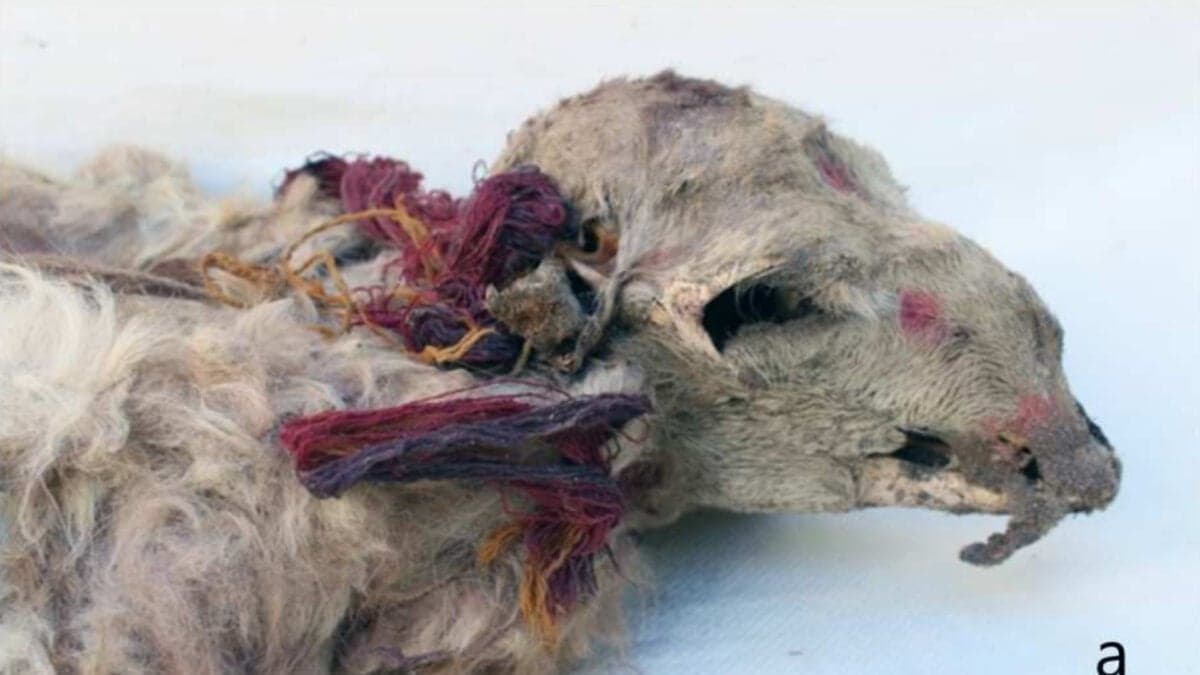
According to Gizmodo, archaeologists led by Lidio Valdez from the University of Calgary uncovered mummified llamas and guinea pigs at the Tambo Viejo site in Peru. The animals were adorned with colorful ear tassels, necklaces, and red face paint, suggesting they were part of ceremonial sacrifices.
The llamas had coca leaves embedded in their wool, indicating their use in rituals. The Inca Empire, which considered coca a divine plant, likely used these offerings to negotiate with deities.
Challenging historical accounts
The discovery complicates earlier Spanish documents that described coca leaves being burned during Inca rituals. The fragility of coca leaves makes it unlikely they would survive combustion, raising questions about the accuracy of these accounts.
Fourteen llamas and guinea pigs were found within Structure 4, a cobblestone-walled enclosure at Tambo Viejo. Archaeologists believe the animals were buried alive and suffocated as part of the sacrificial process.
Purpose of Inca sacrifices
While the exact reasons for these sacrifices remain unclear, the Inca likely used rituals to legitimize their presence on lands belonging to other peoples. Offerings were a way to negotiate with deities who were believed to own the land.
The findings at Tambo Viejo provide new evidence of the Inca Empire’s complex religious practices, which included the sacrifice of animals—and possibly even children—in elaborate ceremonies.
What this means
Lazyfounder analysis — our interpretation, not reported fact.
This research offers a rare glimpse into the religious and cultural practices of the Inca Empire, revealing how deeply ritualized sacrifices were embedded in their society. For founders and operators, especially in fields like archaeology, heritage management, or even tech-enabled historical preservation, the study underscores the importance of challenging long-held assumptions with empirical evidence. It also highlights how physical artifacts can reshape our understanding of historical narratives, much like how startups disrupt traditional industries by questioning established norms. The findings could inspire new approaches in cultural tourism, educational content, or even AI-driven archaeological analysis, where data-driven insights open unexpected avenues for exploration.
Key takeaways
- The Inca Empire used llamas and guinea pigs in sacrificial rituals, often burying them alive as offerings.
- Decorations like tassels, necklaces, and red face paint, along with coca leaves, were part of these rituals.
- The discovery challenges Spanish historical accounts that claimed coca leaves were burned rather than used as offerings.
- Rituals were likely a way for the Inca to negotiate with deities over land ownership and legitimize their presence.
FAQ
What was discovered at Tambo Viejo, Peru?
Archaeologists found mummified llamas and guinea pigs adorned with ear tassels, necklaces, and red face paint. Coca leaves were also discovered embedded in the llamas' wool.
How do these findings challenge historical accounts?
Spanish documents claimed coca leaves were burned during rituals, but the discovery of intact coca leaves suggests otherwise. The fragility of coca leaves makes it unlikely they would survive combustion.
Why did the Inca perform these sacrifices?
The Inca likely used rituals and offerings to negotiate with deities and legitimize their presence on lands they occupied. The exact reasons for these specific sacrifices remain unclear.
Related on Lazyfounder
Sources
- Gizmodo · 2026-10-05
The Inca Dressed Llamas in Tassels and Face Paint—Then Likely Buried Them Alive
This story is an original summary drafted with AI by Lazyfounder from the reporting listed above and checked by automated validation. Facts are attributed to their original publishers; sections marked as analysis are Lazyfounder's. Where a source is in another language, facts were machine-translated and quotations are reported, not reproduced. Read the original coverage via the links, and see our AI policy and corrections policy.

About the author
Editor, Lazyfounder
Tarun Mottlia edits LazyFounders, covering Indian startups, funding rounds, AI and product launches. Every story on the site is AI-assisted and checked against its cited sources before publication.
More stories by Tarun MottliaGet the LazyFounder Brief
Startup, funding and AI news in a five-minute read. Join the early-access list.
