
Humanoid robot performs first live surgery at UCSD
Researchers at UCSD's Center for the Future of Surgery have conducted the first live surgery using a humanoid robot. The procedure, which tested teleoperation and AI-assisted capabilities, highlights both the potential and the hurdles of integrating robotics into medical practice.

Editor, Lazyfounder
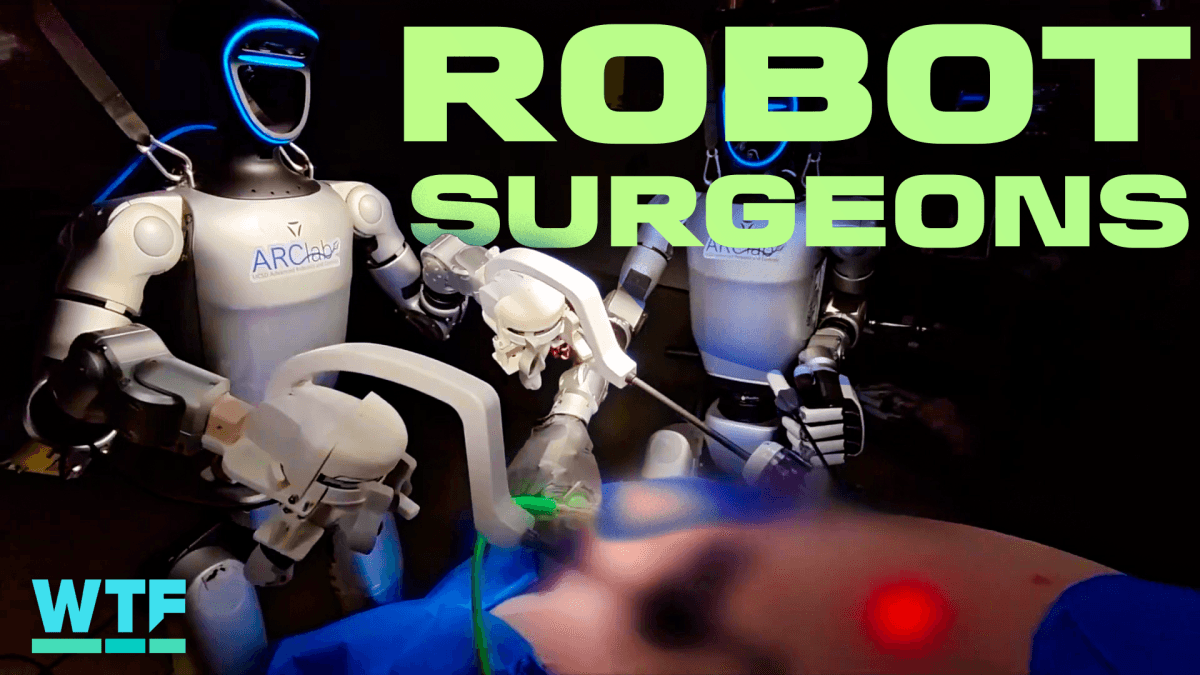
Researchers at UCSD's Center for the Future of Surgery have conducted the first live surgery using a humanoid robot. The procedure, which tested teleoperation and AI-assisted capabilities, highlights both the potential and the hurdles of integrating robotics into medical practice.
30 SEC SUMMARY
- First live surgery performed by a humanoid robot at UCSD's Center for the Future of Surgery.
- Key challenges include adapting humanoid robots for surgical use, performance, and thermal management.
- Live animal surgeries are used to test robotic surgery systems before human trials.
- Potential for AI autonomy and teleoperation in surgery was explored.
- The procedure highlights advances and hurdles in robotic medical technology.
TABLE OF CONTENTS
- First live surgery by a humanoid robot
- Challenges and limitations
- Future potential and AI autonomy
- What this means
- Key takeaways
- FAQ
- Sources
KEY HIGHLIGHTS
- First-ever live surgery performed by a humanoid robot at UCSD's Center for the Future of Surgery.
- Challenges identified include adapting humanoid robots for surgery, performance issues, and thermal management.
- Live animal surgeries are used to test robotic surgery systems before human trials.
- Potential for AI autonomy and teleoperation in surgical procedures was discussed.
- Teleoperation setups were tested during the procedure, highlighting advances in remote surgery.
First live surgery by a humanoid robot
According to Mashable, researchers at UCSD's Center for the Future of Surgery have performed the first-ever live surgery using a humanoid robot. The procedure was conducted as part of an experiment to explore the potential of robotic and AI-assisted surgical systems.
The surgery involved testing teleoperation setups, where the robot was controlled remotely by a human operator. This marks a significant step in evaluating how humanoid robots could be integrated into medical procedures.
Challenges and limitations
Mashable reports that adapting humanoid robots for surgical use presents several challenges. These include technical hurdles such as performance limitations and thermal management issues, which could affect the robot’s precision and reliability during procedures.
The need for rigorous testing was also highlighted. Live animal surgeries are currently used as a critical step to refine robotic surgery systems before they can be tested on humans. This underscores the complexity of bringing such technologies to clinical settings.
Future potential and AI autonomy
The experiment also explored the potential for AI autonomy in surgical procedures. While teleoperation was a focus, researchers discussed how AI could eventually enable robots to perform certain tasks independently, reducing the need for human oversight.
The broader implications for remote and robotic surgery were noted. If these challenges are addressed, such systems could expand access to surgical care, particularly in underserved or remote areas where human surgeons may not be available.
What this means
Lazyfounder analysis — our interpretation, not reported fact.
This milestone signals a shift in how surgical procedures could be performed in the future, but it also underscores the gap between ambition and practicality. For founders and operators in health tech and robotics, the challenges—thermal management, adaptability, and AI integration—are not just technical hurdles but also opportunities to innovate. The success of this experiment doesn’t mean humanoid robots will replace surgeons tomorrow, but it does open doors for startups to explore niche applications, such as teleoperated surgery in remote areas or AI-assisted tools for high-precision tasks. The real test will be whether these solutions can scale without compromising safety or affordability.
Key takeaways
- Humanoid robots are being tested for live surgical procedures, marking a new frontier in medical technology.
- Challenges like thermal management and adaptability remain significant barriers to widespread adoption.
- AI autonomy and teleoperation in surgery are areas of active exploration, with implications for remote and underserved regions.
- Testing on live animals is a critical step before human trials, reflecting the rigor required in medical innovation.
- This development could accelerate investment and startup activity in robotic and AI-driven healthcare solutions.
FAQ
What makes this surgery significant?
This is the first recorded instance of a humanoid robot performing a live surgery, marking a milestone in the development of robotic and AI-assisted medical technologies.
What are the main challenges faced in robotic surgery?
Key challenges include adapting humanoid robots for precision tasks, managing thermal output during procedures, and ensuring consistent performance. Testing on live animals is also a necessary step before human trials.
Could AI eventually replace human surgeons?
While AI autonomy was discussed, the focus remains on assisting rather than replacing surgeons. AI could handle specific tasks, but human oversight and decision-making are likely to remain critical for the foreseeable future.
How might teleoperation change surgery?
Teleoperation could enable surgeons to perform procedures remotely, expanding access to care in areas with limited medical expertise. It also opens possibilities for training and collaboration across distances.
Related on Lazyfounder
Sources
- Mashable · 2026-10-05
First humanoid robot surgeon performs live surgery
This story is an original summary drafted with AI by Lazyfounder from the reporting listed above and checked by automated validation. Facts are attributed to their original publishers; sections marked as analysis are Lazyfounder's. Where a source is in another language, facts were machine-translated and quotations are reported, not reproduced. Read the original coverage via the links, and see our AI policy and corrections policy.

About the author
Editor, Lazyfounder
Tarun Mottlia edits LazyFounders, covering Indian startups, funding rounds, AI and product launches. Every story on the site is AI-assisted and checked against its cited sources before publication.
More stories by Tarun MottliaGet the LazyFounder Brief
Startup, funding and AI news in a five-minute read. Join the early-access list.
