
Xbox plans handheld device for late 2027, delays next-gen console to 2028
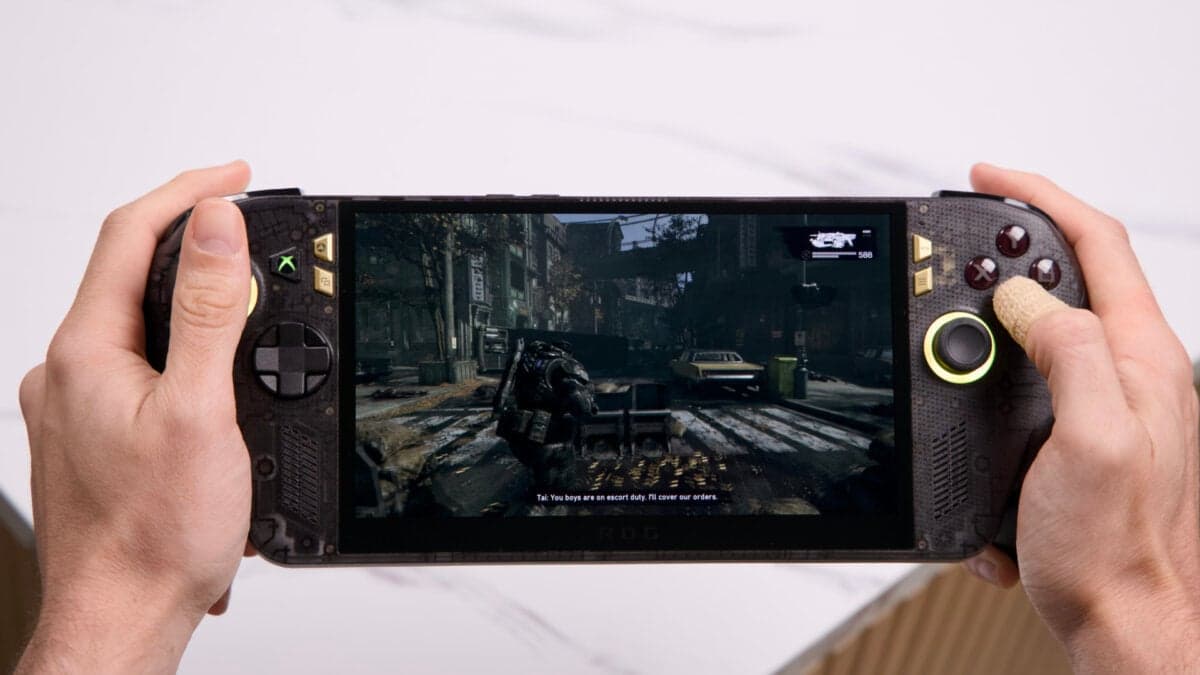
Xbox is prioritizing the launch of a custom handheld device in late 2027, distinct from existing third-party hardware like the Asus ROG Xbox Ally. The move accompanies a delay of its next-gen console, Project Helix, now expected in late 2028, as Microsoft grapples with pricing concerns and strategic shifts in its gaming hardware roadmap.

Editor, Lazyfounder
A handheld first, console second
Microsoft is accelerating plans for a first-party Xbox handheld device, targeting a late 2027 release. The move marks a strategic pivot, as the company reportedly delays its next-gen console, Project Helix, to late 2028. This shift reflects broader concerns over the console’s projected cost—estimated between $1,200 and $1,800—which Xbox CEO Asha Sharma has warned could deter buyers.
The handheld will differ from existing devices like the Asus ROG Xbox Ally by using custom software optimized for gaming performance, rather than Windows FSE (Full Screen Experience). According to reports from Gizmodo, this approach aims to address limitations in Microsoft’s current Windows-based gaming software, which has seen minimal updates since its launch over a year ago.
Silicon and software strategy
Xbox is designing a unified silicon architecture to power multiple form factors, including future consoles and handhelds. The strategy mirrors efforts by competitors like Nintendo and Sony, which have also explored hybrid or portable gaming devices. For Xbox, this means balancing performance, power efficiency, and cost across disparate hardware.
Leaked details from Moore’s Law is Dead suggest an initiative called "Project Green Leaf," which aims to reduce power consumption in gaming chips by up to 36% while capping frame rates to maintain stable performance. Such optimizations are critical for handhelds, where battery life and thermal constraints are primary concerns.
AMD will soon introduce FSR 4.1 upscaling technology to Xbox Series S and X consoles, a feature that could also play a key role in the handheld’s performance. Upscaling is particularly important for portable devices, where power efficiency directly impacts gameplay duration.
Why the delay and cost concerns matter
Project Helix’s projected price tag—potentially the highest for any Xbox console—has raised alarms internally. Sharma’s repeated warnings about the affordability of next-gen hardware suggest Microsoft may be reassessing its approach, possibly to avoid alienating price-sensitive gamers. The delay until late 2028 could also reflect a wait-and-see strategy for memory prices, which have been volatile in recent years.
The handheld’s launch ahead of the console signals Microsoft’s attempt to capture market share in portable gaming, a segment currently dominated by Nintendo’s Switch. However, unlike Nintendo’s integrated ecosystem, Xbox’s device will rely on a custom software stack, setting it apart from its predecessor, the Xbox 360, and the OG Xbox, which prioritized console-first experiences.
What this means
Lazyfounder analysis — our interpretation, not reported fact.
For founders and operators in gaming hardware or adjacent sectors, Xbox’s strategy highlights three critical insights. First, the shift toward a custom software stack for handhelds underscores the limitations of repurposing general-purpose operating systems like Windows for specialized hardware. If Microsoft succeeds, it could inspire other manufacturers to invest in bespoke solutions rather than adapting existing OSes—a trend worth monitoring for product teams.
Second, the delay of Project Helix reflects the growing tension between performance and affordability in high-end gaming hardware. The projected $1,200–$1,800 price range for a console is unprecedented, and Microsoft’s hesitation to subsidize costs suggests broader industry caution about consumer willingness to pay. This could signal opportunities for competitors to target mid-range or modular gaming systems that balance power and price.
Finally, the push toward unified silicon and software across form factors mirrors a broader industry move toward versatility. Startups in gaming or consumer electronics might consider how their own hardware or software can adapt to multiple use cases—whether portable, home-based, or cloud-connected—to future-proof their offerings.
Related on Lazyfounder
Sources
- Gizmodo · 2026-10-23
The Xbox Handheld Will Matter So Much More Than ‘Project Helix’
This story is an original summary drafted with AI by Lazyfounder from the reporting listed above and checked by automated validation. Facts are attributed to their original publishers; sections marked as analysis are Lazyfounder's. Where a source is in another language, facts were machine-translated and quotations are reported, not reproduced. Read the original coverage via the links, and see our AI policy and corrections policy.

About the author
Editor, Lazyfounder
Tarun Mottlia edits LazyFounders, covering Indian startups, funding rounds, AI and product launches. Every story on the site is AI-assisted and checked against its cited sources before publication.
More stories by Tarun MottliaGet the LazyFounder Brief
Startup, funding and AI news in a five-minute read. Join the early-access list.
