
UK Regulators Ban Huel Ad for Irresponsible Dietary Claims
The UK Advertising Standards Authority (ASA) banned an advert for Huel, a meal replacement shake brand, after ruling it encouraged irresponsible dietary practices. The ad, which featured an anecdote about an ultramarathon runner who reportedly only consumes Huel, was deemed misleading by regulators. Huel, which is being acquired by Danone, defended the ad but faced scrutiny over its implications.

Editor, Lazyfounder
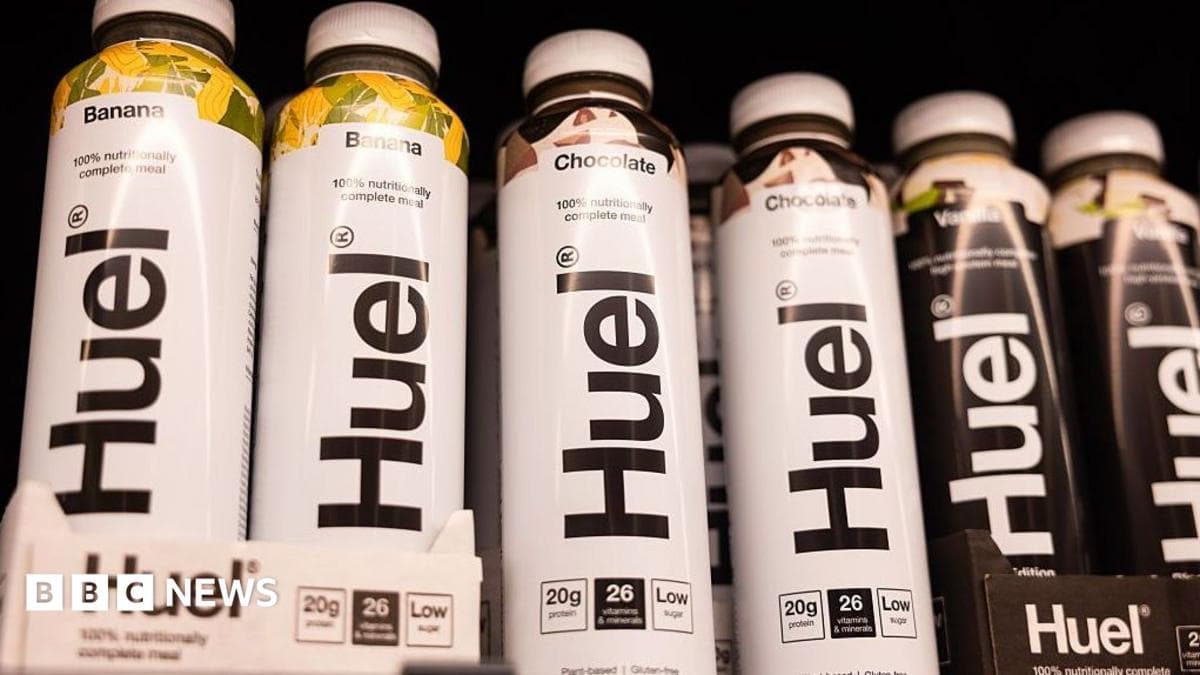
The UK Advertising Standards Authority (ASA) banned an advert for Huel, a meal replacement shake brand, after ruling it encouraged irresponsible dietary practices. The ad, which featured an anecdote about an ultramarathon runner who reportedly only consumes Huel, was deemed misleading by regulators. Huel, which is being acquired by Danone, defended the ad but faced scrutiny over its implications.
30 SEC SUMMARY
- The UK Advertising Standards Authority (ASA) banned an advert for Huel meal replacement shakes, ruling it encouraged irresponsible dietary practices.
- The ad featured an anecdote about an ultramarathon runner who reportedly only consumes Huel and won a 260km race.
- The ASA concluded the ad implied replacing conventional food with Huel was nutritionally appropriate for elite performance.
- Huel stated the ad was not a recommendation for exclusive use of its products.
- Huel is currently being acquired by French conglomerate Danone.
TABLE OF CONTENTS
- What Happened
- Huel’s Response
- Broader Context
- What this means
- Key takeaways
- FAQ
- Sources
KEY HIGHLIGHTS
- The UK Advertising Standards Authority (ASA) banned a Huel advert for encouraging irresponsible dietary practices.
- The ad featured an anecdote about an ultramarathon runner who reportedly only consumes Huel and won a 260km race.
- The ASA ruled the ad implied replacing conventional food with Huel was nutritionally appropriate for elite performance.
- Huel is in the process of being acquired by French conglomerate Danone.
What Happened
The UK Advertising Standards Authority (ASA) banned an advert for Huel, a meal replacement shake brand, after ruling that it encouraged or condoned irresponsible dietary practices. According to BBC News, the ad featured Spencer Matthews, a brand ambassador for Huel, sharing an anecdote about a person who reportedly "only eats Huel" and won a 260km ultramarathon race "by miles."
The ASA determined that viewers could interpret the ad as suggesting that replacing all conventional food with Huel was "nutritionally appropriate" and compatible with elite physical performance. The regulator upheld four complaints about the advert, including concerns over health claims and the implications of exclusive Huel consumption.
Huel’s Response
Huel responded to the ASA’s ruling by stating that the anecdote shared by Matthews was not intended as "a recommendation or instruction" for exclusive use of its products. The company claimed the ad’s purpose was to challenge the misconception that Huel could replace every meal.
Huel’s founder, Julian Hearn, was quoted in the ad saying: "Here’s how our founder uses Huel. Spoiler alert: it’s not for every meal." However, the ASA ruled that the overall narrative of the advert implied a beneficial link between consuming Huel and sustaining exceptionally high levels of endurance performance.
Broader Context
Huel, founded in 2015 by Julian Hearn, is based in Hertfordshire, UK. The company operates in the growing market for "complete nutrition" products, which is reportedly worth $5.9 billion (£4.4 billion).
Huel is currently in the process of being acquired by Danone, a French multinational food conglomerate. The acquisition highlights the increasing interest in nutrition-focused products among major players in the food and beverage industry.
What this means
Lazyfounder analysis — our interpretation, not reported fact.
This ruling underscores the tightrope startups in the nutrition and health sectors must walk when marketing their products. Regulators like the ASA are increasingly scrutinizing claims that could encourage extreme or unsustainable behaviors, even if the intent is to challenge misconceptions. For Huel, the ban is a reminder that anecdotal evidence—especially when tied to elite performance—can be interpreted as a broader endorsement, regardless of disclaimers.
The acquisition by Danone adds another layer of complexity. As Huel transitions into a larger corporate structure, its marketing strategies may face even greater scrutiny to align with broader brand values and regulatory expectations. Founders in this space should take note: bold claims might drive short-term attention, but they also invite regulatory risk, particularly in markets with strict advertising standards.
Key takeaways
- Huel’s advert was banned by the ASA for promoting irresponsible dietary practices.
- The ad’s narrative suggested a link between exclusive Huel consumption and elite athletic performance.
- The ASA received four complaints about the advert, including concerns over health claims.
- Huel defended the ad, stating it was not intended as a recommendation for exclusive use.
- The ruling highlights regulatory scrutiny of meal replacement products and their marketing.
FAQ
Why was Huel’s advert banned?
The ASA banned the advert because it ruled that the ad suggested replacing all conventional food with Huel was nutritionally appropriate and compatible with elite athletic performance. This was deemed irresponsible and misleading.
What was the basis of the complaints against the Huel advert?
The ASA received four complaints about the advert. The concerns included allegations that the ad encouraged irresponsible dietary practices and made unsubstantiated health claims linking Huel consumption to elite endurance performance.
How did Huel respond to the ASA’s ruling?
Huel stated that the ad was not intended as a recommendation for exclusive use of its products. The company claimed the ad aimed to challenge the misconception that Huel is meant to replace every meal.
What does this ruling mean for other nutrition startups?
The ruling signals that regulators are closely monitoring marketing claims in the nutrition sector, particularly those that could encourage extreme or unsustainable behaviors. Startups should ensure their advertising is clear, evidence-based, and avoids implying broad endorsements for unconventional dietary practices.
Related on Lazyfounder
Sources
- BBC News (Tech & Business) · 2026-09-29
Huel ad banned for suggesting its products could replace all conventional food
This story is an original summary drafted with AI by Lazyfounder from the reporting listed above and checked by automated validation. Facts are attributed to their original publishers; sections marked as analysis are Lazyfounder's. Where a source is in another language, facts were machine-translated and quotations are reported, not reproduced. Read the original coverage via the links, and see our AI policy and corrections policy.

About the author
Editor, Lazyfounder
Tarun Mottlia edits LazyFounders, covering Indian startups, funding rounds, AI and product launches. Every story on the site is AI-assisted and checked against its cited sources before publication.
More stories by Tarun MottliaGet the LazyFounder Brief
Startup, funding and AI news in a five-minute read. Join the early-access list.