
GLP-1 Needle Waste Injures New York Sanitation Workers as Usage Surges
Sanitation workers in New York are facing a growing risk of injury from improperly discarded needles used for GLP-1 weight loss drugs. With usage of these medications surging—reportedly reaching 11% of American adults—cities are tightening penalties and promoting safe disposal methods to protect workers and the public.

Editor, Lazyfounder
Sanitation workers in New York are facing a growing risk of injury from improperly discarded needles used for GLP-1 weight loss drugs. With usage of these medications surging—reportedly reaching 11% of American adults—cities are tightening penalties and promoting safe disposal methods to protect workers and the public.
30 SEC SUMMARY
- 11% of American adults now use GLP-1 weight loss drugs, up from 3% in 2024.
- Improperly discarded needles from these drugs are injuring sanitation workers in New York.
- New York has increased fines for improper needle disposal to $250.
- Sanitation workers reported 49 needle-related injuries in 2026 so far.
- Proper disposal methods include using sharps containers or labeled plastic containers.
TABLE OF CONTENTS
- Rising GLP-1 Drug Use Leads to Needle Injuries for Sanitation Workers
- Stricter Penalties and Safe Disposal Guidelines
- Broader Implications for Public Health
- Context
- Developing: what is not yet confirmed
- What this means
- Key takeaways
- FAQ
- Sources
KEY HIGHLIGHTS
- 11% of American adults now use GLP-1 weight loss drugs, a sharp increase from 3% in 2024.
- New York sanitation workers reported 49 needle-related injuries in 2026.
- Fines for improper needle disposal in New York have risen to $250.
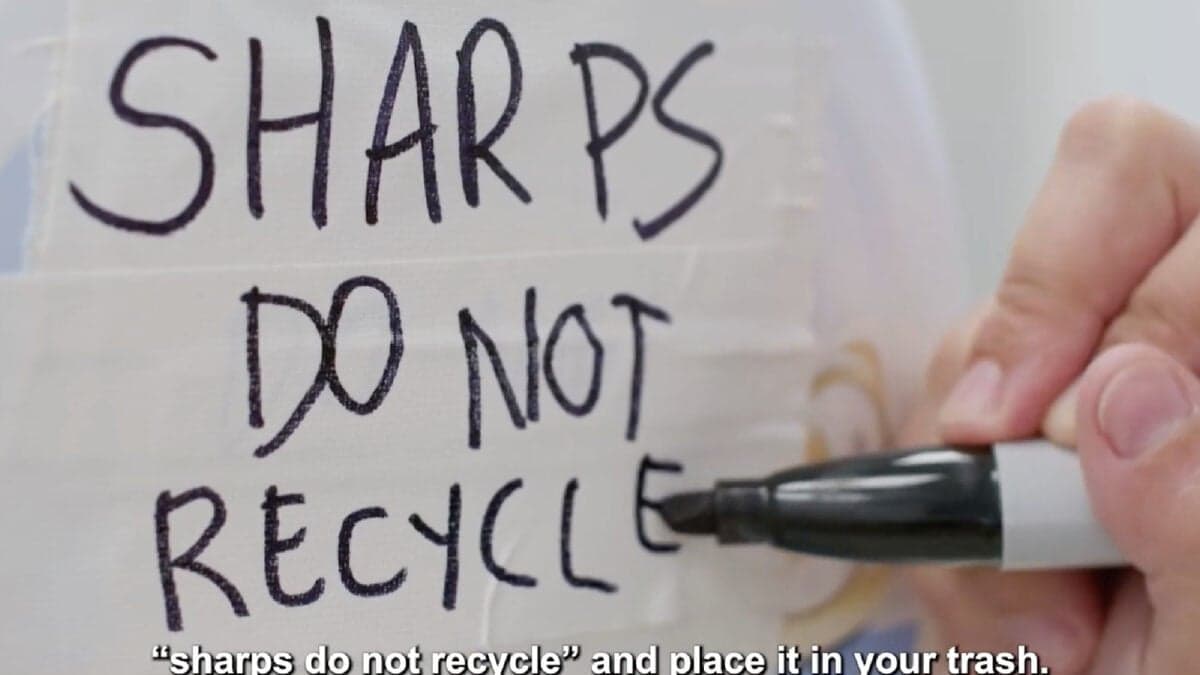
- Proper disposal methods include sharps containers or sealed plastic containers labeled 'Sharps, Do Not Recycle.'
Rising GLP-1 Drug Use Leads to Needle Injuries for Sanitation Workers
Sanitation workers in New York are facing a growing hazard from improperly discarded needles used for GLP-1 weight loss drugs. According to reports, 49 workers have been injured by needles so far in 2026, up from previous years.
The surge in injuries aligns with the rapid increase in GLP-1 drug usage. Reports suggest that 11% of American adults now use these medications, compared to just 3% in 2024. GLP-1 drugs, which require frequent injections, are a major contributor to injectable drug waste alongside insulin for diabetics.
Gregory Anderson, New York Sanitation Commissioner, has highlighted the risks posed by improper disposal, which extends beyond New York to states like Florida and Colorado.
Stricter Penalties and Safe Disposal Guidelines
New York has responded to the issue by increasing the fine for improper needle disposal to $250, up from $100. The city also emphasizes proper disposal methods to reduce risks to workers and the public.
Officials recommend using FDA-approved sharps containers, which are available at pharmacies, or sturdy plastic containers like empty laundry detergent bottles. These containers should be sealed and labeled 'Sharps, Do Not Recycle' before being disposed of in the trash. Needles should never be placed in recycling bins or flushed down toilets.
Reports indicate that while these guidelines exist, public awareness remains a challenge, and improper disposal continues to pose risks nationwide.
Broader Implications for Public Health
The rise in GLP-1 drug usage reflects broader trends in public health. Reports suggest that 15% of Americans have tried GLP-1 medications at some point, and their popularity continues to grow. However, this increase also brings challenges, including injectable drug waste and its impact on workplace safety.
In addition to GLP-1 drugs, insulin injections for the roughly 38 million Americans with diabetes contribute significantly to needle waste. The combined volume of these injectable medications underscores the need for better disposal infrastructure and public education.
Context
The issue of safe medical waste disposal is not new, but the rapid adoption of GLP-1 drugs has intensified concerns. Similar challenges have arisen with insulin injections, which have long required safe disposal methods to protect sanitation workers and the public.
Workplace safety for sanitation workers has become a growing focus for municipalities, particularly in densely populated urban areas where waste volumes are high. The introduction of stricter penalties and public awareness campaigns reflects efforts to address these risks.
Developing: what is not yet confirmed
The following is reported but has not been independently confirmed.
Several claims in reports remain unverified. These include the precise number of needle-related injuries nationwide, the effectiveness of stricter fines in reducing improper disposal, and the long-term impact of GLP-1 drug usage on public health and waste management systems.
What this means
Lazyfounder analysis — our interpretation, not reported fact.
This story highlights a critical but often overlooked consequence of the GLP-1 drug boom: the strain on waste management systems and the safety of sanitation workers. While these medications offer significant benefits for weight loss and diabetes management, their widespread use creates new risks that require urgent attention.
For founders and operators, this issue underscores the importance of considering downstream effects—such as waste and safety—when scaling products with broad public adoption. Municipalities and healthcare providers may need to invest in better disposal infrastructure and public education to mitigate these risks. The situation also raises questions about corporate responsibility: should pharmaceutical companies play a more active role in ensuring safe disposal of their products?
Finally, this trend is a reminder that rapid innovation in healthcare can outpace existing systems, leaving gaps that need to be addressed collaboratively by regulators, companies, and communities.
Key takeaways
- The rise in GLP-1 drug usage is creating a new workplace hazard for sanitation workers due to improper needle disposal.
- New York has tightened penalties for unsafe disposal, but risks persist nationwide.
- Safe disposal methods, such as sharps containers, are critical to protecting workers and the public.
FAQ
What are GLP-1 drugs, and why are they causing needle waste issues?
GLP-1 drugs are injectable medications primarily used for weight loss and diabetes management. Their rising popularity has led to an increase in improperly discarded needles, which pose safety risks to sanitation workers.
How can needles be safely disposed of?
Needles should be placed in FDA-approved sharps containers or sturdy plastic containers like empty laundry detergent bottles. These containers should be sealed, labeled 'Sharps, Do Not Recycle,' and disposed of in the trash—not recycling bins or toilets.
What penalties exist for improper needle disposal in New York?
New York has increased the fine for improper needle disposal to $250, up from $100, to deter unsafe practices and protect sanitation workers.
Are these risks limited to New York?
No. Reports indicate that improper needle disposal is a growing concern in other states, including Florida and Colorado, due to the widespread use of GLP-1 drugs and insulin injections.
Related on Lazyfounder
Sources
- Gizmodo · 2026-09-29
GLP-1 Needles Tossed in the Trash Are Injuring Sanitation Workers
This story is an original summary drafted with AI by Lazyfounder from the reporting listed above and checked by automated validation. Facts are attributed to their original publishers; sections marked as analysis are Lazyfounder's. Where a source is in another language, facts were machine-translated and quotations are reported, not reproduced. Read the original coverage via the links, and see our AI policy and corrections policy.

About the author
Editor, Lazyfounder
Tarun Mottlia edits LazyFounders, covering Indian startups, funding rounds, AI and product launches. Every story on the site is AI-assisted and checked against its cited sources before publication.
More stories by Tarun MottliaGet the LazyFounder Brief
Startup, funding and AI news in a five-minute read. Join the early-access list.
