
TCL C7L mini-LED TV launches with high-end features at mid-range price
TCL has released the C7L, a mid-range SQD mini-LED TV that combines high-end picture quality and gaming features with a competitive price tag. Positioned below TCL’s flagship models, the C7L undercuts rivals like LG and Samsung while delivering performance closer to premium devices.

Editor, Lazyfounder
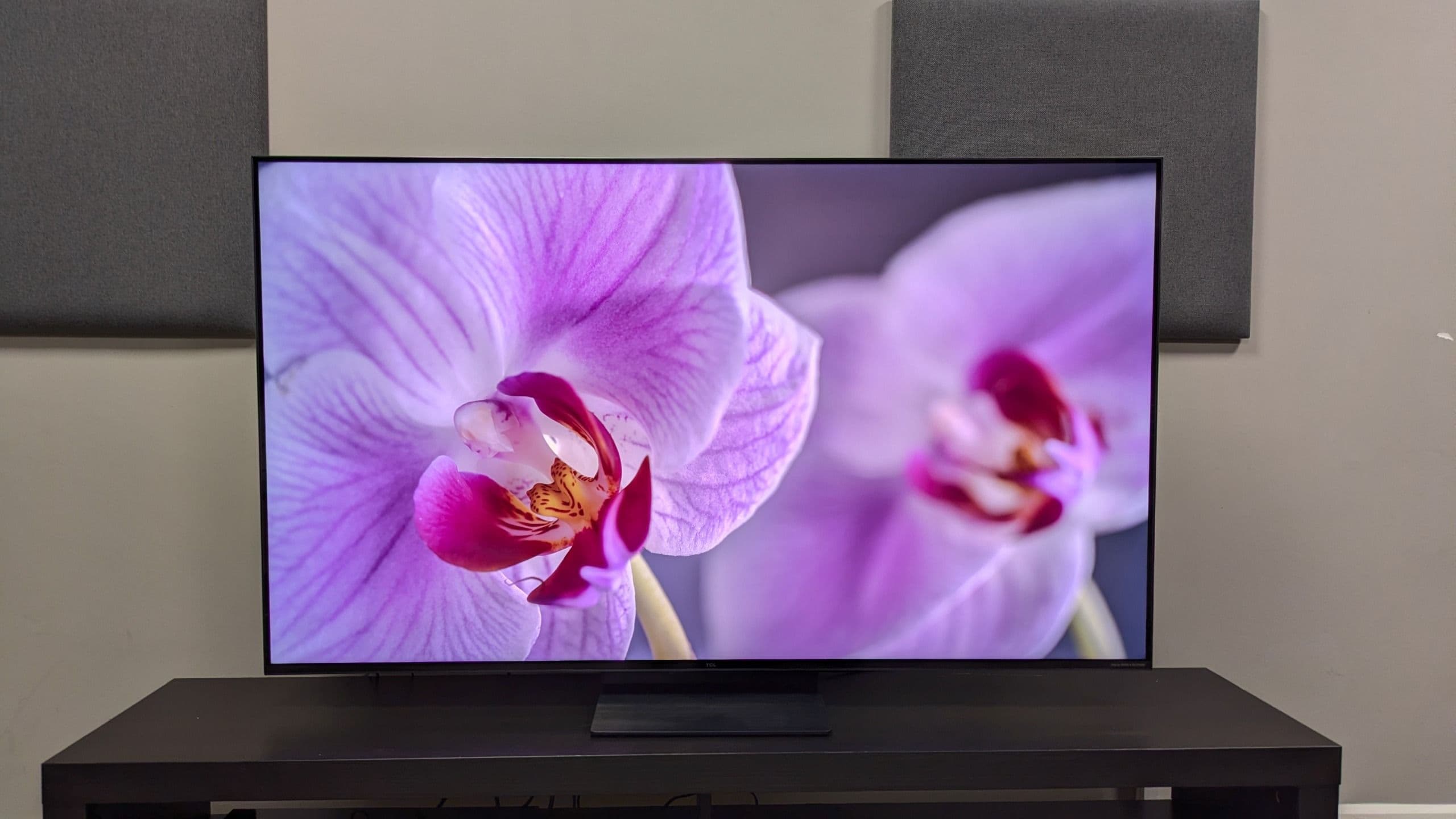
What the C7L offers
The TCL C7L, released in June 2026, is a 55-inch SQD mini-LED TV targeting the mid-range segment. It launched at £1,099 and has since dropped to as low as £849, making it a direct competitor to OLEDs like the LG B6 and Samsung S85H, as well as RGB TVs such as the Hisense UR8. The C7L is positioned below TCL’s flagship models but aims to deliver comparable performance at a lower price.
According to TechRadar, the C7L delivers 2,083 nits of peak HDR brightness in Filmmaker Mode and covers 90.1% of the BT.2020 colour space. This outperforms mid-range OLEDs like LG’s C6 and some premium RGB TVs, including Sony’s Bravia 7 II and Samsung’s R95H. The TV also supports 4K at 144Hz, FreeSync Premium Pro, ALLM, and Dolby Vision gaming, with an input lag of just 9.8ms.
The C7L’s audio system is a 2.2-channel, 60W setup tuned by Bang & Olufsen. While it delivers clear sound at moderate volumes, reviewers note a lack of bass and harshness at higher levels, which may require external speakers for a better experience.
The TV runs on Google TV, which includes large banner ads on the homepage—a common trade-off for budget-friendly devices. It also features only two HDMI 2.1 ports, limiting its appeal for gamers with multiple high-bandwidth devices like consoles or PCs.
One notable limitation is the C7L’s viewing angles. Off-center viewing reveals blooming, where bright areas bleed into darker sections, a common issue with mini-LED technology.
How it competes
The C7L’s pricing and features place it in direct competition with established mid-range OLEDs and premium RGB TVs. At £849, it is cheaper than the LG B6, Samsung S85H, and Hisense UR8, while offering comparable or superior brightness and colour performance. This makes it an attractive option for gamers and movie enthusiasts who prioritize value over premium branding.
However, the C7L’s limitations—such as its two HDMI 2.1 ports and narrow viewing angles—may deter buyers with multiple gaming devices or those who require flexible placement in larger rooms. Rivals like the LG B6E OLED avoid these issues but come at a higher cost.
TCL’s strategy mirrors trends seen in other consumer electronics segments, where manufacturers prioritize performance-per-pound over flagship-level polish. This approach has gained traction in gaming monitors and laptops, where mid-range devices often bridge the gap between budget and premium categories.
What this means
Lazyfounder analysis — our interpretation, not reported fact.
The C7L reinforces a growing trend in consumer electronics: mid-range devices delivering flagship-adjacent performance at significantly lower prices. For founders and operators in the hardware space, this product signals that mini-LED technology is becoming more accessible, reducing the cost barrier for high-end display features like 4K 144Hz and Dolby Vision.
The C7L’s success—or failure—could influence how competitors like LG, Samsung, and Hisense price and position their mid-range offerings. If TCL gains traction, it may push rivals to either lower prices or introduce more aggressive trade-offs in their own products. For startups in the gaming or content creation spaces, the C7L’s gaming features and price point could lower the cost of entry for high-performance setups, potentially expanding the addressable market for 4K 144Hz content.
Related on Lazyfounder
Sources
- TechRadar · 2026-11-01
'The definition of value for money': The TCL C7L is one of the most impressive TVs I've tested this year, delivering excellent bang for your buck
This story is an original summary drafted with AI by Lazyfounder from the reporting listed above and checked by automated validation. Facts are attributed to their original publishers; sections marked as analysis are Lazyfounder's. Where a source is in another language, facts were machine-translated and quotations are reported, not reproduced. Read the original coverage via the links, and see our AI policy and corrections policy.

About the author
Editor, Lazyfounder
Tarun Mottlia edits LazyFounders, covering Indian startups, funding rounds, AI and product launches. Every story on the site is AI-assisted and checked against its cited sources before publication.
More stories by Tarun MottliaGet the LazyFounder Brief
Startup, funding and AI news in a five-minute read. Join the early-access list.
