
How Fitbit tracks heart rate variability and what the data means for users
Fitbit devices use the root mean square of successive differences (RMSSD) method to measure heart rate variability (HRV) during the longest sleep period in a 24-hour window. The data, accessible via Google Health, is designed to reflect individual stress and recovery patterns rather than benchmark against others. A 2024 study confirmed Fitbit’s measurements align moderately with reference devices but tend to underestimate HRV.

Editor, Lazyfounder
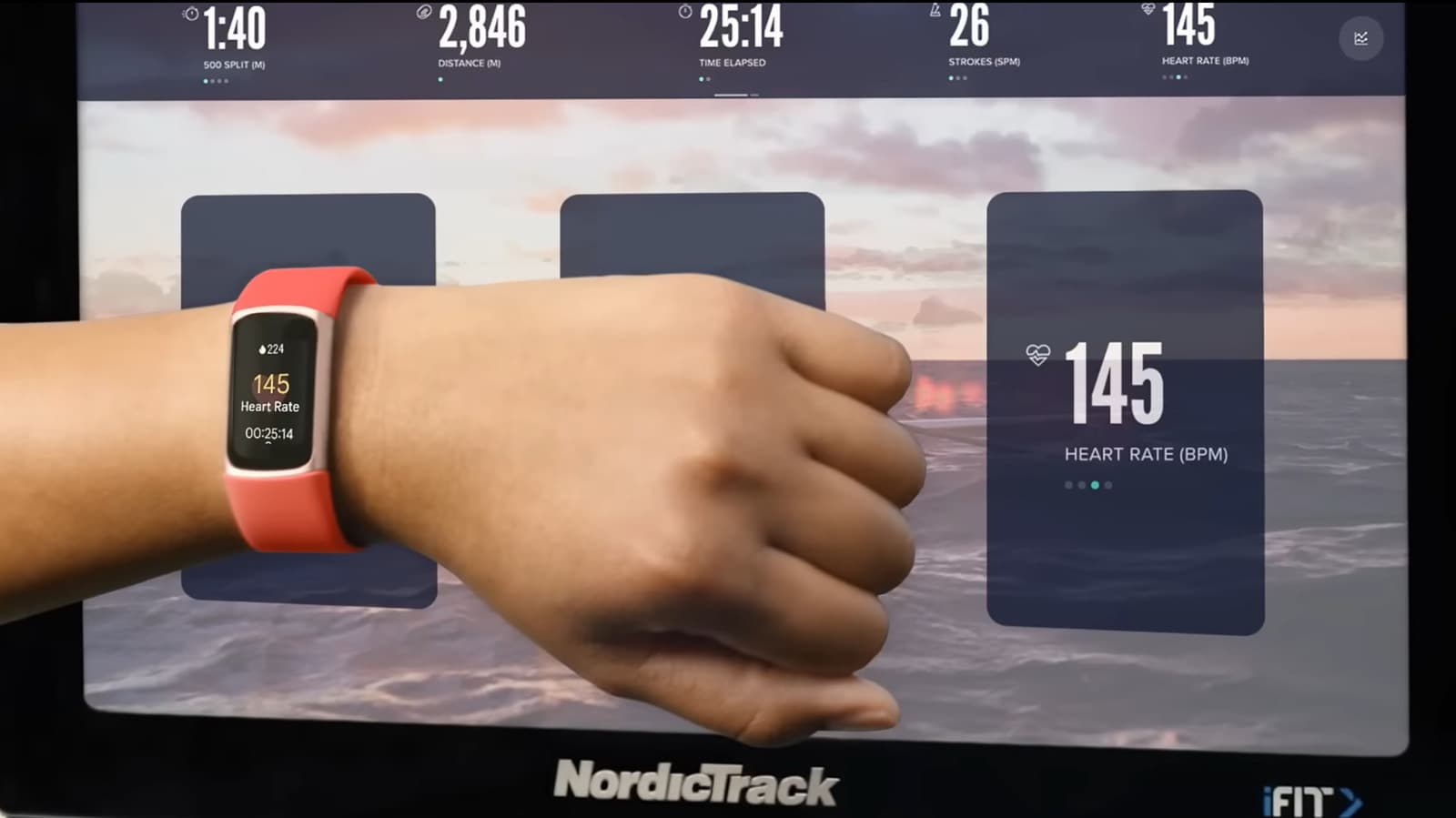
How Fitbit calculates HRV
Fitbit measures heart rate variability (HRV) using the root mean square of successive differences (RMSSD) method. The device records HRV only during the longest sleep period lasting more than three hours in the previous 24 hours. If sleep duration is insufficient or sensor data is incomplete, no reading is generated.
The data appears in Google Health, formerly the Fitbit app, under Health > Vitals > Heart rate variability. Google Health displays day-to-day and longer-term trends, along with a personal range derived from up to 30 days of readings.
Why HRV is personal
HRV reflects how an individual’s body responds to stress, recovery, and lifestyle factors like sleep quality, intense workouts, or alcohol consumption. Because age, fitness level, and physiology vary, Google does not define a universally "good" HRV reading for Fitbit users.
Short-term fluctuations—such as a lower reading after a poor night’s sleep—are normal. However, a persistent decline, especially when paired with changes in resting heart rate or sleep patterns, may warrant closer attention or consultation with a healthcare provider.
How Fitbit’s data compares to other devices and studies
A 2024 study of the Fitbit Charge 4 found moderate to strong agreement with reference HRV measurements, though Fitbit readings tended to be lower than those from clinical devices. Unlike Apple Health, which uses the SDNN method for standard HRV measurements on the Watch 12, Fitbit relies on RMSSD, making direct comparisons between the two platforms unreliable.
Google’s Readiness score incorporates HRV, resting heart rate, and sleep data to estimate recovery. Scores below 30 are classified as low, signaling potential fatigue or stress. Fitbit does not identify specific causes of HRV changes, so persistent anomalies accompanied by symptoms should be evaluated by a medical professional.
What this means
Lazyfounder analysis — our interpretation, not reported fact.
For founders and operators in wearables or health tech, Fitbit’s approach to HRV highlights the importance of transparent, individualized health metrics. The reliance on RMSSD and sleep-based measurements sets a distinct methodology compared to competitors like Apple, which may appeal to users seeking recovery-focused insights rather than generic benchmarks. The 2024 study’s finding—that Fitbit underestimates HRV—also underscores the need for clear communication about device limitations, particularly for products targeting health-conscious consumers or clinical integrations.
Key takeaways
- Fitbit’s HRV data is based on RMSSD and sleep periods over three hours, making it unsuitable for direct comparisons with devices using other methods like Apple’s SDNN.
- Individual variability in HRV means startups building health-tracking features should avoid universal benchmarks and prioritize personal trends.
- The tendency of Fitbit to underestimate HRV, as noted in the 2024 study, suggests an opportunity for founders to differentiate by improving accuracy or contextualizing data for users.
- Google Health’s integration of HRV into its Readiness score shows how longitudinal health data can drive actionable insights, a model relevant for companies exploring recovery or stress-management tools.
Related on Lazyfounder
Sources
- Engadget · 2026-11-01
Here's What Your Fitbit Heart Rate Variability Actually Tells You
This story is an original summary drafted with AI by Lazyfounder from the reporting listed above and checked by automated validation. Facts are attributed to their original publishers; sections marked as analysis are Lazyfounder's. Where a source is in another language, facts were machine-translated and quotations are reported, not reproduced. Read the original coverage via the links, and see our AI policy and corrections policy.

About the author
Editor, Lazyfounder
Tarun Mottlia edits LazyFounders, covering Indian startups, funding rounds, AI and product launches. Every story on the site is AI-assisted and checked against its cited sources before publication.
More stories by Tarun MottliaGet the LazyFounder Brief
Startup, funding and AI news in a five-minute read. Join the early-access list.
