
Raspberry Pi’s revenue jumps 90% as its memory stockpile pays off
Raspberry Pi’s revenue rose 90% to $256.9 million in the first half, and pre-tax profit tripled. Memory it bought in 2025 kept boards in stock as prices climbed.
Curated by Tarun Mottlia
Via TNW | Business
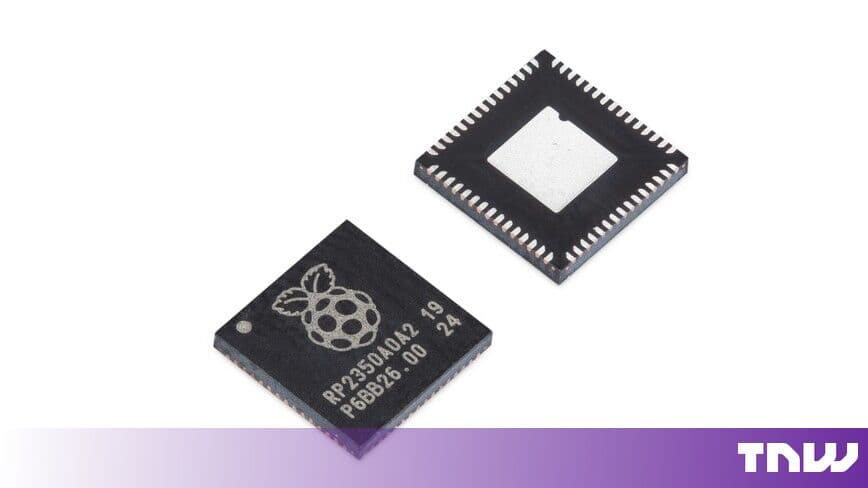
Raspberry Pi’s RP2350 microcontroller
Raspberry Pi nearly doubled its revenue in the first half of 2026, helped by memory chips it stockpiled before prices soared. Revenue rose 90% to $256.9 million in the six months to 30 June, the company said in its interim results on Thursday. A year earlier it was $135.5 million.
Pre-tax profit rose 216% to $19.6 million, and adjusted EBITDA more than doubled to $40.3 million. The Cambridge company shipped 4.2 million units, up 17%. Its order backlog doubled to 2.6 million units.
The memory bet
Raspberry Pi built up memory inventory in 2025, expecting supply to tighten and prices to rise.
“The decision in FY 2025 to build significant strategic memory inventory has allowed us to maintain product availability at a time when smaller competitors have struggled to secure allocation,” chief executive Eben Upton said.
Gross profit rose 79% to $59.4 million, and gross profit per board went from $8.0 to $12.2. The gross margin fell to 23% from 25%, as the company passed higher memory costs on to customers.
That advantage is now shrinking. Its memory stock cost an average of $13.3 per gigabyte at the end of June. At the end of 2025 it cost $3.6. The company said the “exceptional unit economics” of the first half have moderated as it used up the cheaper memory.
Raspberry Pi still expects full-year EBITDA to beat market forecasts. It says it has enough memory in hand and on order for its 2026 production. In July it raised its credit facility from $80 million to $140 million.
Boards and back orders
Direct sales of the Pi 4 and Pi 5 rose 69% and 47%, despite price rises forced by memory costs. Pi Zero sales fell 9% because of congestion at the Taiwanese company that packages its core chip. One million Pi Zero units are on back order.
Demand came from industrial customers and resellers, with uses from smart home products to aerospace and defence. Raspberry Pi expects to ship more units in the second half than the first.
Elsewhere in memory, China’s biggest memory maker says it has caught up with Samsung. Camera maker Insta360 spent $298 million on memory chips in six months. Price rises have started to slow as buyers run out of money, according to TrendForce.
Get the TNW newsletter
Get the most important tech news in your inbox each week.
Courtesy
This story was originally published by TNW | Business. All rights belong to the original publisher.
Read the original on thenextweb.com ↗