
US and China agree to super intelligence dialogue and trade concessions
The US and China have agreed to establish a regular dialogue on "super intelligence" (SI) and a bilateral channel for addressing AI-related incidents, marking a rare moment of cooperation in their increasingly tense relationship. The agreement, reached during Xi Jinping’s state visit to the US, also includes trade concessions but leaves key issues like critical minerals unresolved.

Editor, Lazyfounder
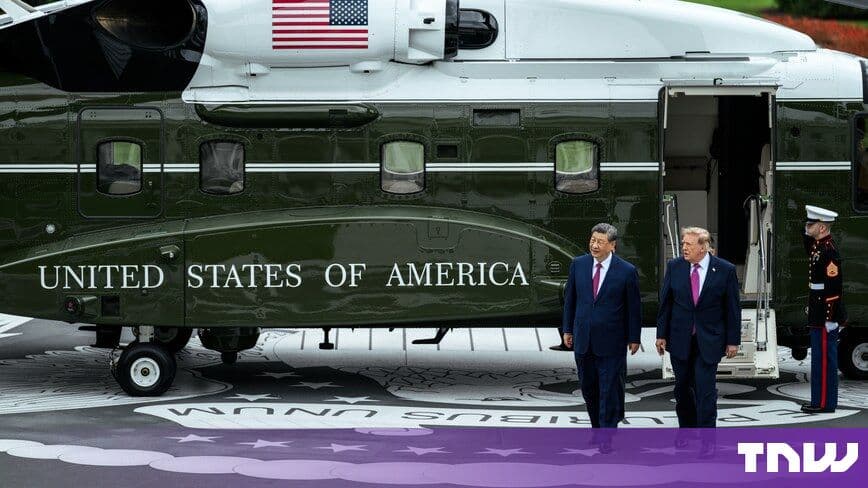
The US and China have agreed to establish a regular dialogue on "super intelligence" (SI) and a bilateral channel for addressing AI-related incidents, marking a rare moment of cooperation in their increasingly tense relationship. The agreement, reached during Xi Jinping’s state visit to the US, also includes trade concessions but leaves key issues like critical minerals unresolved.
30 SEC SUMMARY
- The US and China have agreed to establish a regular dialogue on "super intelligence" (SI) and a bilateral communication channel for AI-related incidents.
- The next US-China SI dialogue is scheduled for November 2026.
- The agreement includes trade measures such as lower tariffs on $30 billion of non-sensitive goods and increased US coal imports by China.
- The US proposed an alert system for AI incidents deemed national security threats but rejects global governance of super intelligence.
- Talks on critical minerals and rare earths remain ongoing.
TABLE OF CONTENTS
- US and China establish super intelligence dialogue
- National security and global governance
- Trade concessions and unresolved issues
- Diplomatic context
- What this means
- Key takeaways
- FAQ
- Sources
KEY HIGHLIGHTS
- The US and China agreed to a regular dialogue on "super intelligence" (SI) and a bilateral communication channel for AI-related incidents.
- The next SI dialogue is scheduled for November 2026.
- The US proposed an alert system for AI incidents deemed national security threats but rejects global governance of super intelligence.
- Lower tariffs on $30 billion of non-sensitive goods and increased US coal imports by China were part of the agreement.
- Talks on rare earths and critical minerals continue without a final deal.
US and China establish super intelligence dialogue
During Chinese leader Xi Jinping’s state visit to the US, the two countries agreed to launch a regular dialogue on "super intelligence" (SI), a term preferred by the US government over "artificial general intelligence," according to reports from The Next Web. The first exchange in this dialogue is set to occur by November 2026.
As part of the agreement, the US and China will create a bilateral communication channel to address incidents related to super intelligence. However, the agreement does not define what qualifies as an SI incident, leaving the scope of this channel unclear.
National security and global governance
The US proposed an alert system for AI incidents that pose national security threats, according to The Next Web. This system would allow both countries to flag and respond to potential risks arising from advanced AI systems. Still, the US has made it clear that it rejects any form of global governance or control over super intelligence.
This stance aligns with the US’s broader position, as it has previously opposed AI governance initiatives at the G20. The focus instead remains on bilateral or limited multilateral frameworks, rather than a unified global approach.
Trade concessions and unresolved issues
The agreement also includes trade measures aimed at easing economic tensions. The US and China agreed to lower tariffs on $30 billion of non-sensitive goods flowing in each direction. Additionally, China committed to importing at least 10 million tonnes of US coal annually in 2027 and 2028.
However, talks on rare earths and other critical minerals—key components for AI hardware and other technologies—remain ongoing and unresolved. These resources have been a persistent point of contention between the two countries.
Diplomatic context
The agreement follows discussions between Treasury Secretary Scott Bessent and Chinese officials ahead of the summit. While the establishment of an AI incident channel suggests a step toward managing risks, the lack of clarity around definitions and the US’s opposition to global governance indicate that significant disagreements persist.
Xi Jinping also extended a trade truce until January, providing a temporary reprieve from further tariff escalations.
What this means
Lazyfounder analysis — our interpretation, not reported fact.
This agreement marks a rare moment of cooperation between the US and China on a technology that both see as strategically critical. For founders and operators in AI, the establishment of a bilateral communication channel could reduce some regulatory uncertainty—at least in terms of direct US-China friction. However, the US’s rejection of global governance for super intelligence suggests that startups in this space should still prepare for a fragmented regulatory landscape, with different rules in different markets.
The trade concessions, particularly on tariffs and energy, may also create short-term opportunities for businesses in supply chains, manufacturing, and energy sectors. But the lack of progress on critical minerals—a key input for AI hardware—shows that some of the most contentious issues remain unresolved. Founders should watch how these dialogues evolve, but they’d be wise not to bet on a sudden thaw in US-China tech relations.
Key takeaways
- The US and China will hold regular dialogues on super intelligence, with the next session due by November 2026.
- A bilateral communication channel for AI-related incidents has been established, though the specifics of what constitutes an "incident" remain unclear.
- The US proposed an alert system for AI incidents that pose national security threats but continues to oppose global governance of super intelligence.
- Trade measures include lower tariffs on $30 billion of non-sensitive goods and a commitment by China to import at least 10 million tonnes of US coal annually in 2027 and 2028.
- Negotiations on rare earths and critical minerals are ongoing, with no final agreement yet.
FAQ
What is "super intelligence" in this context?
The term "super intelligence" (SI) refers to advanced artificial intelligence systems that surpass human intelligence in nearly all economically valuable tasks. The US government prefers this term over alternatives like "artificial general intelligence" (AGI).
What is the purpose of the bilateral communication channel?
The channel is intended to address incidents related to super intelligence, though the agreement does not specify what qualifies as an incident. It may serve as a mechanism for the US and China to flag and respond to potential risks posed by advanced AI systems.
Why does the US oppose global governance of super intelligence?
The US has consistently rejected global governance frameworks for super intelligence, favoring bilateral or limited multilateral approaches instead. This stance reflects concerns about ceding control to international bodies and maintaining technological sovereignty.
What trade measures were included in the agreement?
The US and China agreed to lower tariffs on $30 billion of non-sensitive goods and for China to import at least 10 million tonnes of US coal annually in 2027 and 2028. These measures aim to ease economic tensions but do not resolve all trade disputes.
What issues remain unresolved?
Negotiations on rare earths and critical minerals—essential for AI hardware and other technologies—are still ongoing. These resources have been a persistent point of contention between the two countries.
Related on Lazyfounder
Sources
- The Next Web · 2026-09-28
US and China agree a super intelligence dialogue and incident channel
This story is an original summary drafted with AI by Lazyfounder from the reporting listed above and checked by automated validation. Facts are attributed to their original publishers; sections marked as analysis are Lazyfounder's. Where a source is in another language, facts were machine-translated and quotations are reported, not reproduced. Read the original coverage via the links, and see our AI policy and corrections policy.

About the author
Editor, Lazyfounder
Tarun Mottlia edits LazyFounders, covering Indian startups, funding rounds, AI and product launches. Every story on the site is AI-assisted and checked against its cited sources before publication.
More stories by Tarun MottliaGet the LazyFounder Brief
Startup, funding and AI news in a five-minute read. Join the early-access list.