
UK government considers scrapping state pension triple lock
The UK government is reportedly considering scrapping the state pension triple lock policy after 16 years, a move aimed at reducing welfare costs and funding a national care service. The policy, which guarantees annual pension increases, has become a growing financial burden, costing £15.5 billion annually—three times the original estimate for 2030.

Editor, Lazyfounder
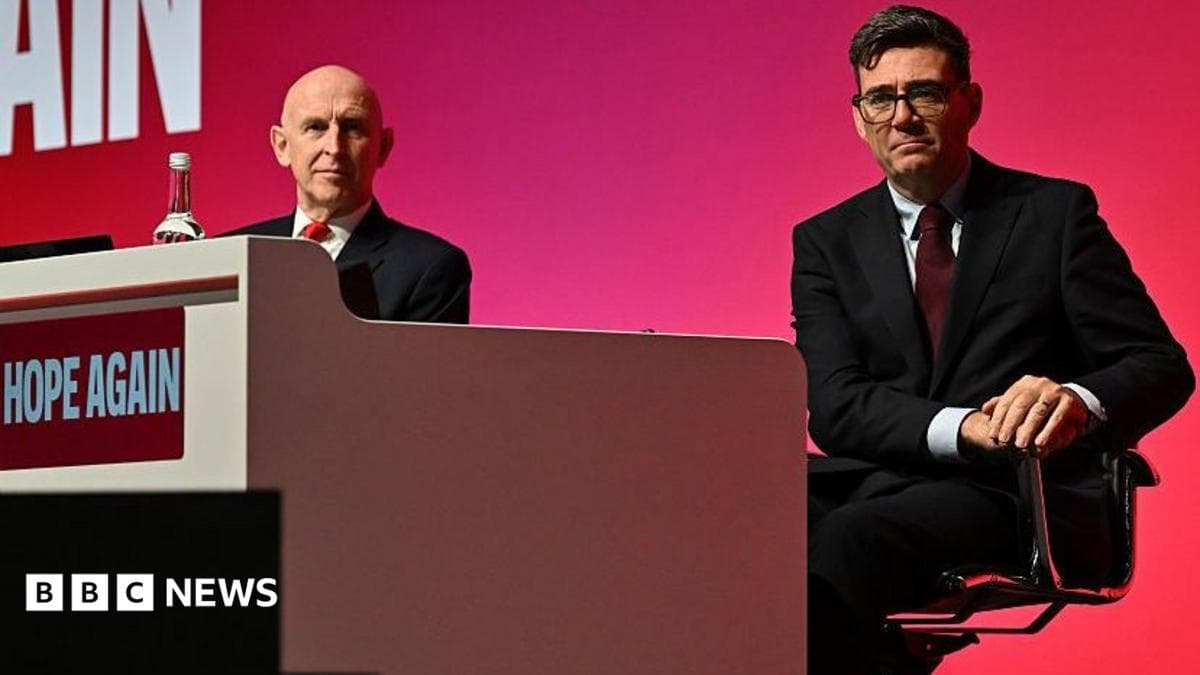
The UK government is reportedly considering scrapping the state pension triple lock policy after 16 years, a move aimed at reducing welfare costs and funding a national care service. The policy, which guarantees annual pension increases, has become a growing financial burden, costing £15.5 billion annually—three times the original estimate for 2030.
30 SEC SUMMARY
- UK government may scrap the state pension triple lock after 16 years to cut costs.
- The triple lock guarantees pensions rise by at least 2.5% or the highest of inflation or earnings.
- Policy costs £15.5bn annually, three times the original 2030 estimate.
- Replacing it with an earnings link could save tens of billions long-term.
- Move aims to fund a national care service amid rising welfare costs.
TABLE OF CONTENTS
- Government Weighs Scrapping Triple Lock
- Potential Replacement and Political Challenges
- Economic and Fiscal Implications
- What this means
- Key takeaways
- FAQ
- Sources
KEY HIGHLIGHTS
- The triple lock ensures state pensions rise annually by at least 2.5% or the highest of inflation or earnings.
- The policy costs £15.5bn a year, three times the original estimate for 2030.
- Replacing it with an earnings link could save tens of billions annually in the long term.
- Chancellor John Healey aims to reduce welfare costs to fund a national care service.
- Labour’s Andy Burnham plans to include funding for care services in the next manifesto.
Government Weighs Scrapping Triple Lock
According to BBC News, the UK government is considering scrapping the state pension triple lock policy after 16 years. The policy, introduced during the tenure of former Chancellor Osborne, guarantees that state pensions increase every April by at least 2.5% or the highest of inflation or earnings growth.
The triple lock has become increasingly expensive, costing £15.5 billion annually—three times the original estimate for 2030. Economists advising the government have described the policy as economically unsustainable and a potential opportunity to reform Britain’s economic strategy.
Potential Replacement and Political Challenges
The government may replace the triple lock with a link to earnings growth, a move that could save tens of billions of pounds annually in the long term. Chancellor John Healey has signaled the government’s intent to reduce welfare costs, though no final decision has been made.
Labour’s Andy Burnham, a key figure in the party, is expected to propose tough decisions in the next general election manifesto to fund a national care service. This could involve reallocating savings from pension reforms toward care provisions. The UK’s state pension is already considered modest by international standards, adding to the political sensitivity of any changes.
Economic and Fiscal Implications
Scrapping the triple lock could ease pressure on government borrowing and redirect funds toward priorities like social care. Bond markets and fiscal watchdogs have long warned about the unsustainable rise in welfare costs, and this move could signal a broader shift in economic policy.
However, the decision remains politically contentious. The triple lock has been a cornerstone of pensioner income security for over a decade, and any changes would likely face opposition from advocacy groups and voters.
What this means
Lazyfounder analysis — our interpretation, not reported fact.
For founders and operators, this potential policy shift highlights the intersection of government decisions and economic stability. The triple lock has provided retirees with financial security, ensuring their incomes keep pace with rising costs. Scrapping it could reduce disposable income for millions, impacting sectors like retail, healthcare, and housing.
On the flip side, redirecting savings toward a national care service could unlock opportunities in healthtech, elderly care, and insurance. Startups offering innovative solutions for care delivery, home support, or financial products for retirees may see increased demand. However, the political sensitivity of pension reforms means any changes will likely be gradual, with careful messaging to avoid public backlash.
Economically, the move could improve the UK’s fiscal position by reducing welfare costs, but the short-term political risks are significant. Founders should monitor developments closely, as shifts in pension policy could reshape consumer behavior and government spending priorities in the coming years.
Key takeaways
- The UK government is considering ending the state pension triple lock after 16 years.
- The policy currently costs £15.5bn annually, far exceeding initial projections.
- Replacing it with an earnings-linked system could save tens of billions long-term.
- The move aims to reduce welfare costs and fund a national care service.
- The decision is economically motivated but politically contentious.
FAQ
What is the triple lock policy?
The triple lock policy ensures that state pensions in the UK increase every April by at least 2.5% or the highest of inflation or earnings growth.
Why is the government considering scrapping it?
The policy is costing £15.5 billion annually, far exceeding initial projections. The government views it as economically unsustainable and wants to reduce welfare costs to fund other priorities, such as a national care service.
What could replace the triple lock?
The government may replace it with a link to earnings growth, which could save tens of billions of pounds annually in the long term.
How might this affect pensioners?
If the triple lock is scrapped, pension increases may no longer keep pace with inflation or earnings growth, potentially reducing retirees’ disposable income over time.
What is the political risk of this decision?
The triple lock has been a key promise to pensioners for over a decade. Scrapping it could face significant opposition from advocacy groups and voters, making it a politically sensitive issue.
Related on Lazyfounder
Sources
- BBC News (Tech & Business) · 2026-09-28
Why the PM could finally drop the triple lock pension pledge - BBC News (Tech & Business) · 2026-09-28
Why the PM could finally drop the triple lock pension pledge
This story is an original summary drafted with AI by Lazyfounder from the reporting listed above and checked by automated validation. Facts are attributed to their original publishers; sections marked as analysis are Lazyfounder's. Where a source is in another language, facts were machine-translated and quotations are reported, not reproduced. Read the original coverage via the links, and see our AI policy and corrections policy.

About the author
Editor, Lazyfounder
Tarun Mottlia edits LazyFounders, covering Indian startups, funding rounds, AI and product launches. Every story on the site is AI-assisted and checked against its cited sources before publication.
More stories by Tarun MottliaGet the LazyFounder Brief
Startup, funding and AI news in a five-minute read. Join the early-access list.
