
Pebble introduces plug-in support for Pebble OS and Index smart ring
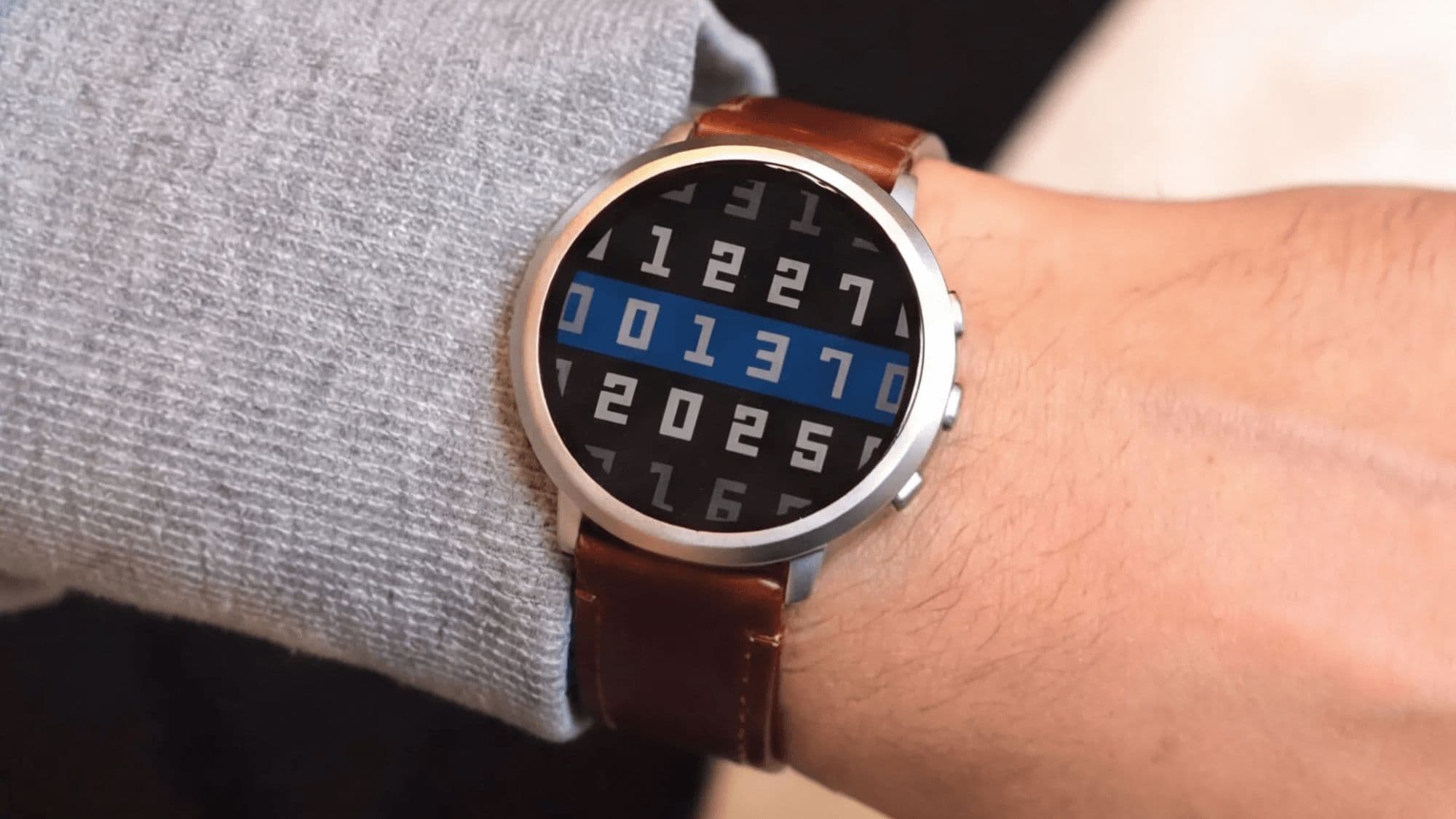
Pebble has unveiled plug-in support for its Pebble OS platform and Index smart ring, calling it the most significant update to its software development kit (SDK) to date. The feature, currently in developer preview, allows developers to integrate pre-packaged add-ons for tasks like weather checks, music controls, smart home integration, and AI interactions.

Editor, Lazyfounder
What the plug-in system offers
Pebble’s plug-in support, announced by founder Eric Migicovsky, is designed to expand the functionality of its smartwatches and Index smart ring. The system allows developers to create modular add-ons that can display data (e.g., weather, calendar events) or perform actions (e.g., controlling smart home devices) without requiring apps to handle all functions independently.
Plug-ins function similarly to Apple Watch complications but with greater flexibility. Unlike Pebble’s earlier approach, where developers had to hard-code features like weather updates into watch faces, the new system enables dynamic integration of locally running plug-ins within the Pebble app. This shift aims to simplify development while improving app versatility and user privacy.
Developer access and timeline
The plug-in system is currently available as a developer preview, with no confirmed release date for public availability. Core Devices, the company behind Pebble’s revival, has not disclosed a timeline for the full rollout but emphasizes that the update is a step toward making the platform more capable.
Developers can now test plug-ins for tasks ranging from smart light activation to AI-driven interactions. The system also introduces a new permission framework, requiring users to approve location and internet access for individual apps and plug-ins.
Security and privacy improvements
Pebble highlights that its locally running plug-ins are more secure than the web-based Model Context Protocol (MCP) previously used for AI integrations. MCP, which connects AI models to apps and services, relies on web-based interactions, whereas the new plug-in system operates within the Pebble app, reducing potential vulnerabilities.
The updated permission system further enhances privacy by allowing users to control which apps and plug-ins can access sensitive data or features like location services.
What this means
Lazyfounder analysis — our interpretation, not reported fact.
Pebble’s plug-in system is a strategic move to differentiate its platform from competitors like Apple Watch and Google’s Wear OS. By enabling modular, locally run add-ons, Pebble is betting on developer adoption to expand its ecosystem while addressing privacy concerns that have become critical for wearable users. For founders and operators in the wearable space, this update signals a shift toward more flexible and secure app development, which could influence how other platforms approach SDK updates. The lack of a public release timeline, however, suggests Pebble is prioritizing stability and developer feedback over speed.
Related on Lazyfounder
Sources
- TechRadar · 2026-10-23
'The biggest change since... forever': Pebble smartwatches are getting plug-in support — and the brand might be rediscovering its mojo - Gizmodo · 2026-10-23
Pebble Just Made It Even Easier to Make Cool Watch Faces
This story is an original summary drafted with AI by Lazyfounder from the reporting listed above and checked by automated validation. Facts are attributed to their original publishers; sections marked as analysis are Lazyfounder's. Where a source is in another language, facts were machine-translated and quotations are reported, not reproduced. Read the original coverage via the links, and see our AI policy and corrections policy.

About the author
Editor, Lazyfounder
Tarun Mottlia edits LazyFounders, covering Indian startups, funding rounds, AI and product launches. Every story on the site is AI-assisted and checked against its cited sources before publication.
More stories by Tarun MottliaGet the LazyFounder Brief
Startup, funding and AI news in a five-minute read. Join the early-access list.
