
Apple’s HomeView debut marred by year-long delays and outdated specs
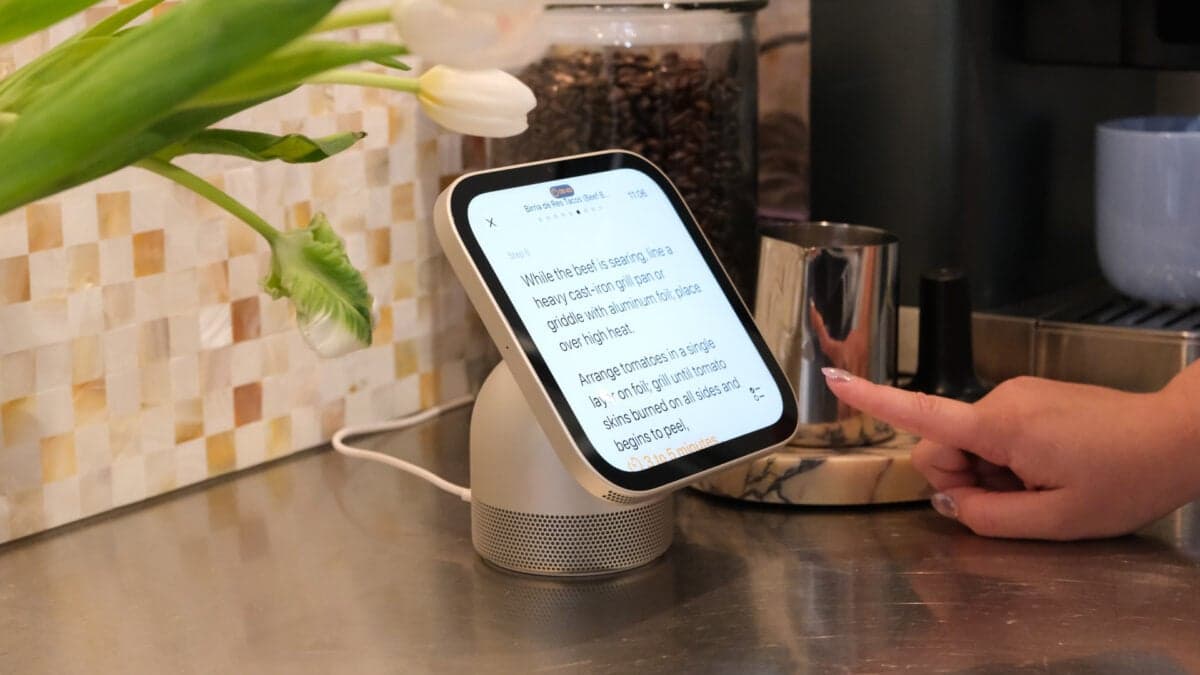
Apple’s HomeView, a smart home device with a screen, has reportedly spent nearly a year stored in warehouses due to software development delays. The device’s AI-powered Siri interface, now relying on a licensed Google AI model, has left its once-cutting-edge hardware outdated and its release timeline uncertain.

Editor, Lazyfounder
30 SEC SUMMARY
- Apple’s HomeView, a smart home device with a screen, faced significant delays due to software development challenges, particularly with AI-powered Siri.
- The devices have been stored in warehouses for nearly a year, raising concerns about outdated hardware upon release.
- HomeView features an A18 iPhone processor and 8GB of memory, specs now considered outdated.
- Apple rented an AI model from Google to address Siri’s limitations, signaling struggles with in-house AI development.
- The device is part of the Apple Home Collection, a collaboration with LG and Schneider Electric.
TABLE OF CONTENTS
KEY HIGHLIGHTS
- Apple’s HomeView devices were delayed due to software development challenges, particularly with AI-powered Siri.
- The devices have been stored in warehouses for nearly a year before their expected release.
- HomeView uses an A18 iPhone processor, which is now two years old, and 8GB of memory, described as outdated.
- Apple partnered with Google to license an AI model for Siri, addressing its AI development struggles.
- The HomeView is part of the Apple Home Collection, developed in collaboration with LG and Schneider Electric.
- LG’s recent privacy controversy may impact the timing and perception of the HomeView launch.
Delays and software challenges
According to Gizmodo, Apple’s HomeView devices have been stored in warehouses for nearly a year due to software development delays. The primary challenge was integrating an AI-powered Siri interface, which reportedly required Apple to license an AI model from Google to address its limitations.
The delays reflect broader struggles in Apple’s AI development, a critical component for its smart home ambitions. While the hardware was ready, the software’s unpreparedness left the devices in limbo.
Outdated hardware concerns
The HomeView is powered by an A18 iPhone processor, a chip released two years ago. With 8GB of memory, the specs are now considered outdated, raising questions about the device’s competitiveness upon release.
Design aspects, such as a thick black bezel and proportions reminiscent of older iPads, further contribute to concerns about the product’s relevance in a rapidly evolving smart home market.
Partnerships and risks
The HomeView is part of the Apple Home Collection, a collaboration with LG and Schneider Electric. However, LG’s recent privacy controversy may complicate the launch. Reports suggest LG’s smart TVs collect ambient audio 24/7, a claim LG has denied.
Apple’s decision to tie the HomeView’s release to LG’s 2025 product timeline introduces additional risk, as any delays or reputational damage to LG could impact the HomeView’s success.
Apple’s AI struggles and Google’s role
The HomeView’s delays align with broader challenges in Apple’s AI development. Under Tim Cook’s leadership, Apple has faced criticism for falling behind in AI compared to competitors like Google. Recent leadership changes, including Cook’s transition to executive chairman and John Ternus’s ascent as CEO, have coincided with strategic shifts, such as licensing Google’s Gemini AI technology for Siri.
This partnership reflects a departure from Apple’s traditional reliance on in-house development, signaling a pragmatic but potentially risky bet on external AI solutions.
Supply chain and launch challenges
Apple’s struggles with product delays are not new. The company’s recent iPhone Duo, its first foldable phone, faced significant launch challenges, including delayed preorders and limited in-store stock. These issues highlight the complexity of managing supply chains and software development in tandem, particularly for innovative hardware products.
For the HomeView, the combination of software delays and hardware stagnation could position it as a less competitive offering in the smart home market, which is increasingly dominated by faster-moving rivals.
What this means
Lazyfounder analysis — our interpretation, not reported fact.
Apple’s struggles with the HomeView highlight a broader challenge for hardware companies integrating AI into their products. Delays in software development can leave hardware stagnant, rendering it outdated by the time it reaches consumers. For founders, this underscores the importance of either accelerating AI development or adopting flexible partnerships to avoid prolonged product delays.
The reliance on Google’s AI model for Siri also signals a shift in Apple’s strategy, moving away from its historically insular approach to AI. This could be a pragmatic short-term solution, but it raises questions about Apple’s long-term competitiveness in AI-driven products.
For operators, the HomeView’s delays and LG’s privacy issues serve as a reminder that external partnerships can introduce unpredictable risks. Founders should weigh the benefits of collaboration against potential reputational and operational challenges, especially in markets as sensitive as smart home devices.
Key takeaways
- AI development delays can significantly impact product timelines, even for established companies like Apple.
- Hardware stagnation during software delays risks releasing products with outdated specs, hurting competitiveness.
- Partnerships, such as licensing third-party AI models, can be a stopgap but may not align with long-term strategic goals.
- Collaborations with external partners introduce risks, including reputational and privacy concerns that can delay launches.
- Founders should plan for contingency timelines when integrating emerging technologies like AI into hardware products.
FAQ
Why was the HomeView delayed?
The HomeView faced delays due to challenges in developing its AI-powered Siri software. Apple reportedly struggled to build the interface in-house and eventually licensed an AI model from Google to address the issues.
What are the hardware specs of the HomeView?
The HomeView features an A18 iPhone processor, released two years ago, and 8GB of memory. While once considered advanced, these specs may now be outdated compared to competitors.
How might LG’s privacy controversy affect the HomeView?
LG’s recent privacy issues, including claims that its smart TVs collect ambient audio 24/7, could impact consumer trust in the Apple Home Collection. Apple’s decision to tie the HomeView’s release to LG’s 2025 product timeline introduces additional risk.
What does Apple’s partnership with Google mean for Siri?
Apple’s decision to license an AI model from Google for Siri reflects its struggles with in-house AI development. This partnership may help bridge the gap in the short term but could also indicate a shift away from Apple’s traditional reliance on proprietary technology.
Related on Lazyfounder
Sources
- Gizmodo · 2026-10-18
Apple’s HomeViews Reportedly Collected Dust in Warehouses ‘For the Better Part of a Year’
This story is an original summary drafted with AI by Lazyfounder from the reporting listed above and checked by automated validation. Facts are attributed to their original publishers; sections marked as analysis are Lazyfounder's. Where a source is in another language, facts were machine-translated and quotations are reported, not reproduced. Read the original coverage via the links, and see our AI policy and corrections policy.

About the author
Editor, Lazyfounder
Tarun Mottlia edits LazyFounders, covering Indian startups, funding rounds, AI and product launches. Every story on the site is AI-assisted and checked against its cited sources before publication.
More stories by Tarun MottliaGet the LazyFounder Brief
Startup, funding and AI news in a five-minute read. Join the early-access list.
