
Apple prepares first touchscreen MacBook and redesigned iPad Mini for late-October launch
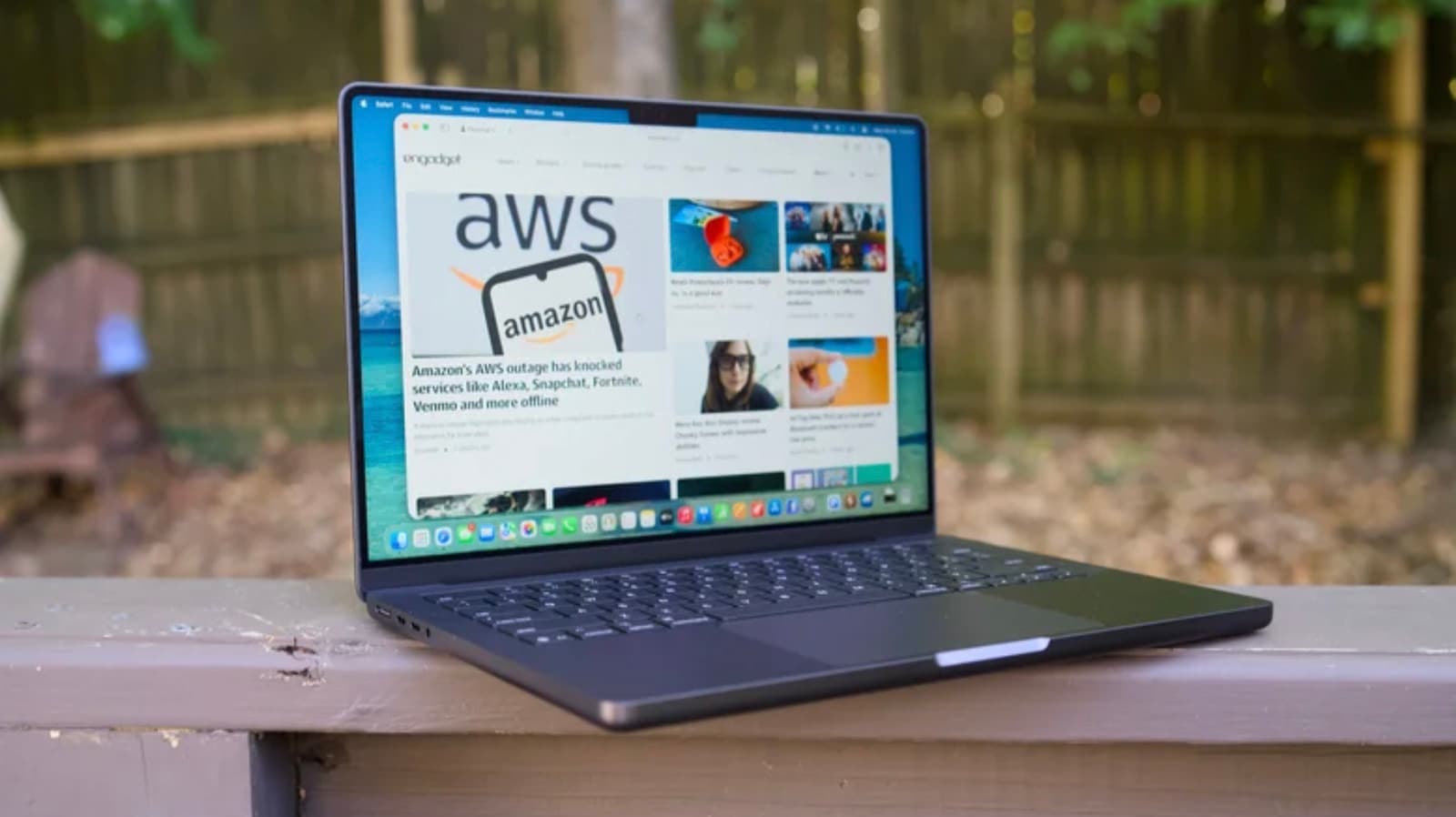
Apple is gearing up to introduce its first touchscreen laptop, potentially named the MacBook Ultra, alongside a redesigned iPad Mini with an OLED display. The launches, expected on or around October 27, will also include updates to the entry-level 14-inch MacBook Pro and iMac, as well as new smart home gadgets.

Editor, Lazyfounder
30 SEC SUMMARY
- Apple is reportedly planning its first touchscreen MacBook, potentially called the MacBook Ultra, for a late-October launch.
- A redesigned iPad Mini with an OLED display and new chipset is also expected in the same event.
- Updates to the 14-inch MacBook Pro and iMac will include Apple’s new M6 chip, targeting creative professionals.
- Apple may introduce new smart home gadgets, including a HomePod mini, in a separate event on October 13.
- This marks the first major update to Apple’s high-end MacBook lineup in five years.
TABLE OF CONTENTS
KEY HIGHLIGHTS
- Apple’s first touchscreen MacBook, possibly named MacBook Ultra, is expected to debut on or around October 27.
- The MacBook Ultra may feature a 14- or 16-inch OLED display with Dynamic Island and run on M5 Pro or Max chips.
- A redesigned iPad Mini with an OLED display, landscape camera, and A20 Pro chip is also anticipated.
- Updates to the entry-level 14-inch MacBook Pro and iMac will include Apple’s new M6 chip.
- Apple plans to introduce new smart home gadgets, including a HomePod mini, on October 13.
- This would be the first major update to Apple’s high-end MacBook lineup since the 2021 introduction of the 14- and 16-inch MacBook Pro models.
Apple’s first touchscreen MacBook and redesigned iPad Mini
According to Engadget and Mashable, Apple is preparing to unveil its first touchscreen laptop, potentially called the MacBook Ultra, on or around October 27. The device is expected to come in 14- and 16-inch sizes and feature an OLED display with Dynamic Island, a design element previously limited to iPhones.
The MacBook Ultra may run on the same M5 Pro and Max chips currently used in high-end MacBook Pro models, though some reports suggest it could adopt the new M6 chip. This would mark the first major update to Apple’s high-end MacBook lineup since the 2021 introduction of the 14- and 16-inch MacBook Pro models.
Alongside the MacBook Ultra, Apple is expected to introduce a redesigned iPad Mini. The new model may include an OLED display, a landscape camera, and Apple’s A20 Pro chip. A slightly larger screen and improved speaker system have also been reported.
Updates to MacBook Pro, iMac, and smart home devices
Apple plans to update its entry-level 14-inch MacBook Pro and iMac with the new M6 chip. The current entry-level MacBook Pro runs on an M5 chip, while the iMac has been using an M4 chip. These updates are reportedly smaller in scope compared to the MacBook Ultra and iPad Mini launches.
On October 13, Apple is expected to introduce new smart home gadgets, including an updated HomePod mini and a smart home hub. The late-October event will be streamed online, following Apple’s typical format for product announcements.
Apple’s shift toward OLED and touchscreen innovation
Apple’s push into OLED displays aligns with broader industry trends, including competing products like Roku’s Pro Series OLED TV, which launched in September 2026. The company has previously reserved OLED technology for its premium devices, such as the iPhone and Apple Watch, but its adoption in MacBooks and iPads signals a shift toward higher-end display standards.
The introduction of a touchscreen MacBook represents a significant departure from Apple’s traditional design philosophy, which has long separated touch functionality between iPads and Macs. This move could blur the lines between the company’s laptop and tablet offerings, particularly for creative professionals in video, photo, and music production.
Developing: what is not yet confirmed
The following is reported but has not been independently confirmed.
Engadget reported that Apple debuted a foldable phone, the iPhone Duo, earlier this summer. However, this claim remains unconfirmed by other sources. Additionally, some reports suggest the new M6 chip may not include pro-level versions, though this has not been verified.
There is also uncertainty about the naming of the touchscreen MacBook, with some sources referring to it as the MacBook Ultra and others hinting at alternative names like MacBook Neo.
What this means
Lazyfounder analysis — our interpretation, not reported fact.
Apple’s reported plans to introduce a touchscreen MacBook and a redesigned iPad Mini reflect the company’s ongoing evolution in hardware innovation. For founders and operators, this signals two key trends:
First, Apple is increasingly willing to blur the lines between its product categories. The MacBook Ultra could bridge the gap between laptops and tablets, offering a hybrid experience that may appeal to creative professionals who rely on touch input. This could also pressure competitors to explore similar hybrid designs, particularly in sectors like design, media, and software development.
Second, Apple’s focus on OLED displays and updated chipsets underscores its commitment to premium hardware. While this may drive up costs for consumers, it also creates opportunities for developers to build applications that leverage higher-resolution displays and touchscreen functionality. Startups in creative tools, productivity software, or even gaming should watch how these devices are adopted and whether they inspire new use cases.
However, the lack of pro-level versions of the M6 chip could disappoint power users who rely on cutting-edge performance. Founders in industries like 3D rendering, AI, or large-scale data processing may need to weigh whether Apple’s hardware roadmap aligns with their long-term needs.
Key takeaways
- Founders in creative industries should monitor the adoption of Apple’s touchscreen MacBook, as it could redefine workflows for designers, video editors, and musicians.
- The shift toward OLED displays in MacBooks and iPads may create opportunities for startups developing apps that leverage higher-resolution screens and touch input.
- Apple’s focus on premium hardware could raise the bar for competitors, but it may also limit options for cost-sensitive users or developers.
- The reported absence of pro-level M6 chips could indicate a gap in Apple’s lineup for high-performance computing needs, potentially opening doors for alternatives.
- Smart home startups should note Apple’s renewed push in this space, as new devices like the HomePod mini could influence ecosystem compatibility and consumer expectations.
FAQ
Why is Apple introducing a touchscreen MacBook now?
Apple’s reported introduction of a touchscreen MacBook suggests a strategic shift to merge the functionality of its laptops and tablets. This could be driven by demand from creative professionals who rely on touch input for tasks like design, video editing, and music production. It may also reflect Apple’s response to evolving consumer expectations for hybrid devices.
Will the touchscreen MacBook replace the iPad?
No, the touchscreen MacBook is not expected to replace the iPad. Instead, it appears to be an attempt to bridge the gap between Apple’s laptop and tablet offerings, offering a hybrid experience for users who need both touch functionality and traditional computing power. The iPad Mini, meanwhile, is being redesigned with its own unique features, like an OLED display and landscape camera.
What does the M6 chip mean for Apple’s product lineup?
The M6 chip is expected to power updates to the entry-level 14-inch MacBook Pro and iMac, as well as potentially the new MacBook Ultra. However, reports suggest Apple may not release pro-level versions of the M6 chip, which could limit performance for power users who rely on high-end computing capabilities.
How might this affect competitors in the laptop and tablet markets?
Apple’s move into touchscreen laptops and OLED displays could pressure competitors to innovate in similar directions. Companies like Microsoft, Dell, and Samsung may accelerate their own hybrid device development or invest in premium display technologies to keep pace with Apple’s hardware advancements.
Related on Lazyfounder
Sources
- Engadget · 2026-10-08
Apple Reportedly Plans Touchscreen MacBook And iPad Mini Launch For This Month - Mashable · 2026-10-09
Apple to launch touchscreen MacBook and iPad mini in October
This story is an original summary drafted with AI by Lazyfounder from the reporting listed above and checked by automated validation. Facts are attributed to their original publishers; sections marked as analysis are Lazyfounder's. Where a source is in another language, facts were machine-translated and quotations are reported, not reproduced. Read the original coverage via the links, and see our AI policy and corrections policy.

About the author
Editor, Lazyfounder
Tarun Mottlia edits LazyFounders, covering Indian startups, funding rounds, AI and product launches. Every story on the site is AI-assisted and checked against its cited sources before publication.
More stories by Tarun MottliaGet the LazyFounder Brief
Startup, funding and AI news in a five-minute read. Join the early-access list.
