
How to extend Galaxy Watch battery life and compare smart TV update policies
Samsung Galaxy Watch users can maximize battery life by avoiding full charges and following tailored charging practices, while smart TV owners face varying software support policies from manufacturers like Samsung, LG, and Sony. Here’s how to optimize both devices for longevity.

Editor, Lazyfounder
30 SEC SUMMARY
- Samsung Galaxy Watch users can optimize battery life by avoiding full charges and following the 20-80 rule, which recommends charging between 20% and 80%.
- Manufacturers like Samsung and LG offer varying software support periods for smart TVs, with Samsung providing up to seven years for Tizen OS models.
- Charging habits, such as avoiding overnight charging, can reduce battery strain and extend the lifespan of wearables.
- Not all smart TV brands guarantee long-term software updates, and support durations vary widely by manufacturer and region.
- Using streaming boxes can help extend a smart TV’s usability after manufacturer support ends.
TABLE OF CONTENTS
KEY HIGHLIGHTS
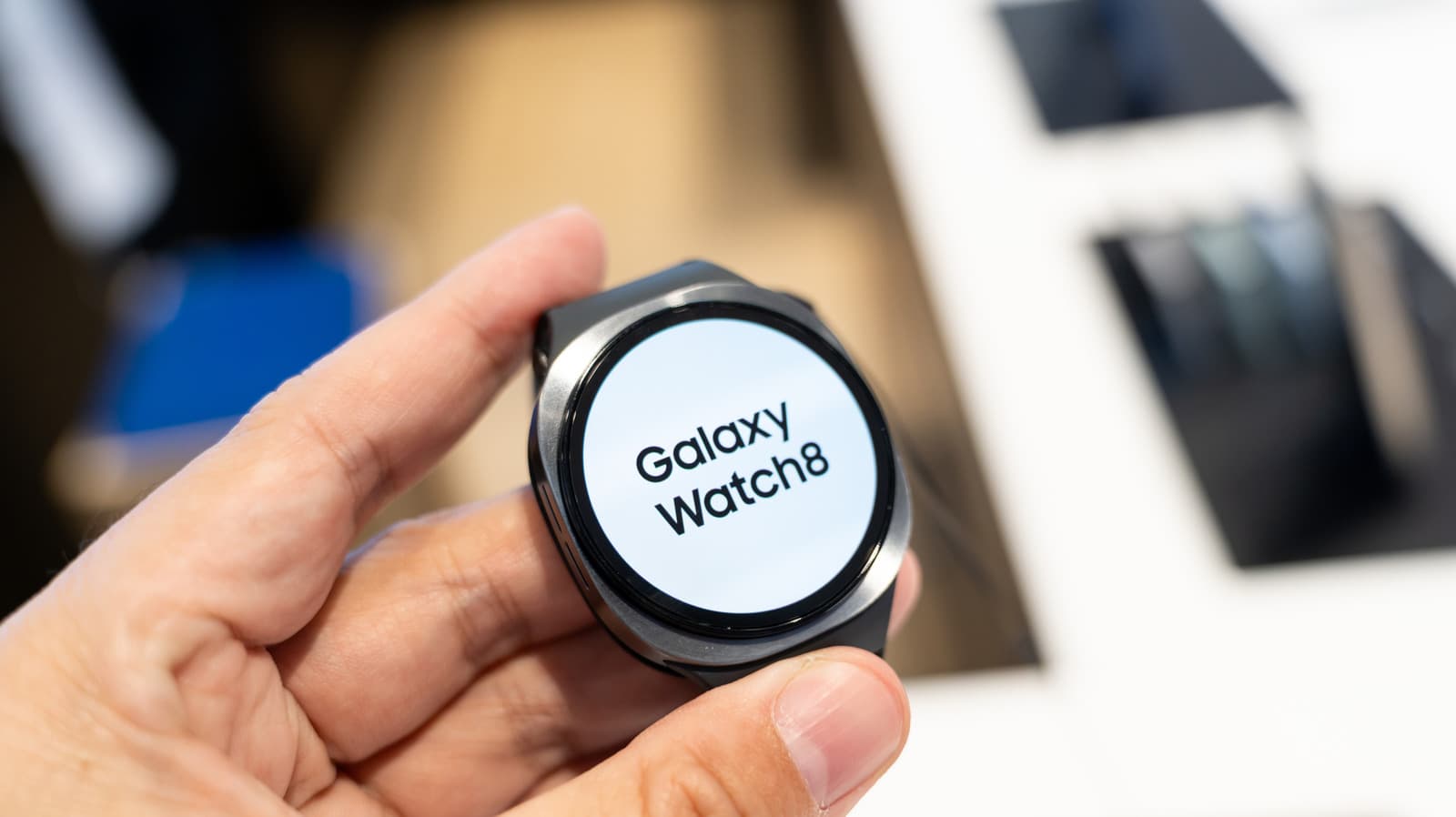
- Samsung recommends charging Galaxy Watch 8 and newer models between 20% and 80% to prolong battery life.
- Galaxy Watch 8 can last 30 to 40 hours on a full charge, but a full charge may take over an hour.
- Overnight charging is discouraged to avoid battery strain and enable sleep tracking.
- Samsung guarantees seven years of software updates for Tizen OS on 2024 and select 2023 smart TV models.
- LG offers four years of webOS updates for 2022+ models, with a one-year delay for older devices.
- Hisense provides up to eight years of support for VIDAA OS TVs in Europe but relies on third-party OS providers in the US.
How to optimize Galaxy Watch battery life
According to Engadget, the optimal charging schedule for Samsung Galaxy Watch devices, such as the Galaxy Watch 8 and Galaxy Watch 9, depends on individual usage patterns and downtime. Lithium-ion batteries, like those in Galaxy Watches, can degrade if consistently charged to full capacity, even with modern improvements.
Engadget recommends following the 20-80 rule: charging the device between 20% and 80% to extend battery longevity. Samsung’s newer models, including the Galaxy Watch 8 and 9, include built-in battery protection features to help users manage this.
A full charge for these devices may take longer than an hour, and overnight charging is discouraged, especially if sleep tracking is enabled or battery strain is a concern. Excessive strain on the battery can reduce efficiency and, in some cases, cause permanent damage.
Battery replacement costs for a Galaxy Watch vary. A DIY replacement may cost $50 to $70, including tools, while professional or third-party repairs could be more expensive.
Smart TV software support policies vary by brand
Smart TV manufacturers offer varying levels of software support, with some providing clear update policies and others leaving customers uncertain about long-term usability.
According to Engadget, Samsung leads with a commitment to seven years of software updates for its Tizen OS on 2024 and select 2023 models. This means firmware and app updates will be available for these devices until at least 2031.
LG guarantees four years of webOS updates for TVs released from 2022 onwards through its webOS Re:New program. However, updates for older models may lag by one year compared to newer releases.
Sony’s support policy is less predictable, with no fixed update period for its TVs. For example, the 2025 model Bravia K-65XR80M2 OLED has an end-of-life date of April 2029, while the Bravia 2 II K-65S25VM2 (also 2025) will receive security updates until June 2030. Models released after 2021 use Google TV, while earlier ones ran Android TV.
Regional differences in smart TV support
Hisense offers up to eight years of support for its VIDAA OS TVs in Europe, starting from 2025. However, in the US, Hisense TVs often run on third-party operating systems like Android TV, Fire TV, Google TV, or Roku TV, leaving long-term support to the OS provider.
Roku does not specify a support period for its Pro, Plus, or Select Series TVs but frequently releases updates. Vizio also lacks a fixed update policy, though it provides regular automatic firmware updates.
Insignia TVs, which use Amazon’s Fire OS, are guaranteed software and security updates for at least four years.
Engadget suggests that purchasing a streaming box can be a cost-effective way to extend a smart TV’s life after manufacturer support ends, ensuring access to updated apps and services.
Why battery health matters for wearables
Battery degradation is a common issue in lithium-ion-powered devices, including smartwatches and wearables. While modern batteries have improved, frequent full charges can still reduce their lifespan, leading to higher replacement costs and customer dissatisfaction.
Manufacturers increasingly include battery management features to mitigate this, but user habits—such as charging frequency and duration—play a significant role in long-term performance.
For hardware startups, designing devices with adaptive charging or battery protection features can reduce warranty claims and improve customer retention.
The business impact of software update policies
Smart TVs are long-term investments for consumers, and software support policies directly influence purchasing decisions. Brands that commit to extended update periods can build trust and loyalty, while those with unclear policies risk alienating customers.
For founders, this underscores the importance of planning for post-sales support early. Transparent communication about update timelines can reduce customer service burdens and enhance brand reputation.
Third-party streaming devices, such as Roku or Fire TV sticks, offer a workaround for users whose TVs no longer receive updates. This trend highlights an opportunity for startups to develop accessories or software solutions that extend device usability.
What this means
Lazyfounder analysis — our interpretation, not reported fact.
For founders and operators in consumer electronics, this story highlights two critical areas: device longevity and customer expectations. Battery optimization isn’t just a technical detail—it’s a selling point and a retention tool. Meanwhile, the uneven landscape of smart TV software support shows how after-sales care can become a competitive advantage or a risk. Companies that transparently commit to long-term updates (like Samsung’s seven-year pledge) can differentiate themselves in a crowded market, while those with vague policies risk frustrating customers who see their expensive devices become obsolete faster than expected.
For startups building hardware or software for wearables and smart TVs, these insights underscore the importance of designing for sustainability. Battery management features, clear update roadmaps, and compatibility with third-party streaming solutions can reduce e-waste, lower support costs, and improve user satisfaction. Operators should also consider how these factors influence warranty costs, repair demand, and resale value—all of which impact the bottom line.
Key takeaways
- Adopt proactive battery management features in wearables to extend device lifespan and reduce warranty claims.
- Transparent software update policies can build trust and differentiate hardware products in competitive markets.
- Plan for post-support scenarios, such as compatibility with streaming boxes, to mitigate customer frustration and e-waste.
- Regional variations in update policies (e.g., Hisense’s eight-year pledge in Europe vs. shorter US support) require localized communication strategies.
- Costs associated with battery degradation (e.g., replacements, repairs) can erode margins—design and charging recommendations should account for this.
FAQ
Why is charging a Galaxy Watch to 100% bad for battery health?
Charging a Galaxy Watch or any lithium-ion battery-powered device to 100% can accelerate battery degradation over time. Following the 20-80 rule (keeping the charge between 20% and 80%) helps prolong battery life.
Which smart TV brand offers the longest software support?
Samsung offers the longest software support for its smart TVs, with a seven-year commitment for Tizen OS on 2024 and select 2023 models. Hisense provides up to eight years for VIDAA OS TVs in Europe, though this varies by region.
What can I do if my smart TV stops receiving updates?
If your smart TV no longer receives updates, using a streaming box (e.g., Roku, Fire TV, or Google TV) can extend its usability by providing access to updated apps and services.
How long does a Galaxy Watch battery typically last?
A Galaxy Watch 8 can last 30 to 40 hours on a full charge, though charging times may exceed an hour. Battery life depends on usage patterns and charging habits.
Related on Lazyfounder
Sources
- Engadget · 2026-10-13
When Is The Best Time To Charge Your Samsung Galaxy Watch? - Engadget · 2026-10-14
Which Smart TV Brands Offer The Longest Software Support?
This story is an original summary drafted with AI by Lazyfounder from the reporting listed above and checked by automated validation. Facts are attributed to their original publishers; sections marked as analysis are Lazyfounder's. Where a source is in another language, facts were machine-translated and quotations are reported, not reproduced. Read the original coverage via the links, and see our AI policy and corrections policy.

About the author
Editor, Lazyfounder
Tarun Mottlia edits LazyFounders, covering Indian startups, funding rounds, AI and product launches. Every story on the site is AI-assisted and checked against its cited sources before publication.
More stories by Tarun MottliaGet the LazyFounder Brief
Startup, funding and AI news in a five-minute read. Join the early-access list.
