
Norway Considers Temporary Ban on Smart Glasses in Public Spaces
Norway’s parliament is considering a temporary ban on smart glasses in public spaces like beaches, schools, and healthcare facilities due to privacy concerns. The proposal aims to address risks such as discreet recording and harassment while an advisory panel defines the ban’s scope.

Editor, Lazyfounder
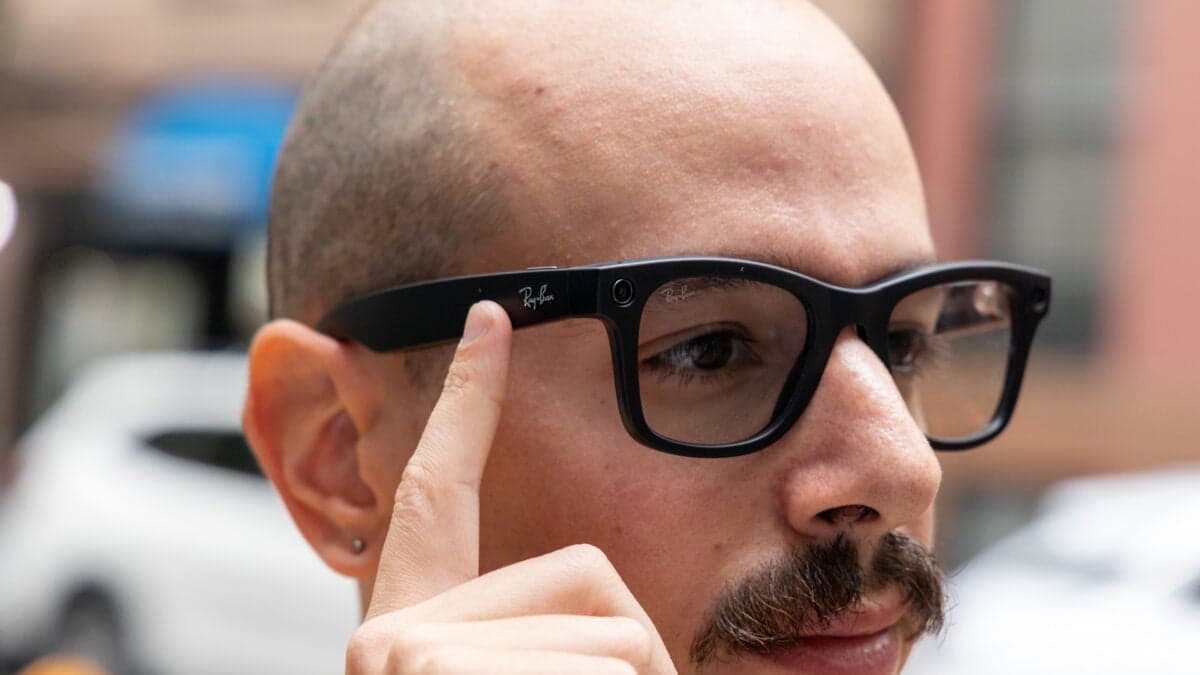
Norway’s parliament is considering a temporary ban on smart glasses in public spaces like beaches, schools, and healthcare facilities due to privacy concerns. The proposal aims to address risks such as discreet recording and harassment while an advisory panel defines the ban’s scope.
30 SEC SUMMARY
- Norway’s parliament is considering a temporary ban on smart glasses in public spaces like beaches, parks, and schools due to privacy concerns.
- The proposed ban aims to address risks such as discreet recording, harassment, and unauthorized surveillance.
- Locations under consideration include healthcare facilities, pools, and changing rooms, reflecting broader privacy concerns.
- Norway plans to establish an advisory panel to define the scope of the ban, including whether it covers camera-less smart glasses.
- Similar bans exist in New York (courts) and Hamburg (public transit and pools), highlighting global regulatory trends.
TABLE OF CONTENTS
- Proposed Ban Targets Privacy Risks
- Locations Under Consideration
- Global Context for Smart Glasses Regulation
- Next Steps for Norway’s Proposal
- Broader Implications for Wearable Tech
- What this means
- Key takeaways
- FAQ
- Sources
KEY HIGHLIGHTS
- Norway’s parliament is considering a temporary ban on smart glasses in public spaces, including beaches, parks, schools, and healthcare facilities.
- The proposal targets privacy risks such as discreet recording, harassment, and unauthorized surveillance.
- Norway plans to establish an advisory panel to define the ban’s scope, including whether camera-less smart glasses are included.
- Similar bans exist in New York (courts) and Hamburg (public transit and pools).
Proposed Ban Targets Privacy Risks
According to Gizmodo, Norway’s parliament is set to propose a temporary ban on smart glasses in public spaces where people are vulnerable to discreet recording or where large groups gather. The ban aims to address privacy concerns linked to harassment, extortion, cheating, and unauthorized recording.
Locations Under Consideration
The proposed ban would cover a range of public spaces, including beaches, parks, schools, pools, healthcare facilities, and changing rooms. These locations were identified as high-risk areas where privacy violations could occur.
Global Context for Smart Glasses Regulation
Norway’s proposal follows similar measures elsewhere. In the United States, New York has banned smart glasses in courts statewide. In Germany, the city of Hamburg has prohibited their use on public transit and at public pools. These examples reflect growing global attention to the privacy implications of wearable technology.
Next Steps for Norway’s Proposal
The Norwegian government plans to introduce the ban "as soon as possible," according to reports. An advisory panel will be established to define the scope of the ban, including whether it will apply only to smart glasses with cameras or extend to camera-less models. The panel’s determinations could influence future regulations beyond the temporary measure.
Broader Implications for Wearable Tech
Privacy concerns in emerging technology often emerge only after products reach consumers, but regulatory scrutiny is increasingly shaping the design and adoption of devices like smart glasses. Treating privacy as a foundational consideration—rather than a retroactive fix—has become critical for building trust and ensuring long-term viability in markets sensitive to surveillance risks.
What this means
Lazyfounder analysis — our interpretation, not reported fact.
Norway’s move signals a growing discomfort with wearable tech that blurs the line between public and private spaces. For founders in the smart glasses or augmented reality space, this isn’t just a regulatory hurdle—it’s a preview of how privacy concerns could shape product design and market access. If even camera-less glasses face scrutiny, the debate shifts from "what can this device do?" to "what should it be allowed to do?
The temporary ban also underscores the lack of global consensus on how to regulate these devices. While Norway leans toward caution, other markets may prioritize innovation, creating a fragmented landscape for startups. Founders will need to proactively address privacy in their design and messaging, rather than treating it as an afterthought or a legal checkbox.
Key takeaways
- Norway’s proposed ban reflects broader global concerns about privacy and wearable technology in public spaces.
- The scope of the ban could extend beyond camera-equipped smart glasses, depending on future regulatory decisions.
- Similar restrictions in New York and Hamburg suggest a trend toward preemptive regulation of emerging tech.
- Founders in the wearable tech space may face increasing scrutiny of privacy-by-design principles in product development.
FAQ
Why is Norway considering a ban on smart glasses?
The proposed ban is driven by privacy concerns, including risks of discreet recording, harassment, extortion, cheating, and unauthorized surveillance in public spaces.
Which public spaces could be affected by the ban?
The ban may apply to locations such as beaches, parks, schools, pools, healthcare facilities, and changing rooms.
Will the ban apply to all smart glasses, including camera-less models?
The scope of the ban is still under discussion. Norway plans to establish an advisory panel to determine whether camera-less smart glasses should be included.
Are other countries enacting similar bans?
Yes. New York has banned smart glasses in courts, and Hamburg, Germany, has prohibited their use on public transit and at public pools.
Related on Lazyfounder
Sources
- Gizmodo · 2026-10-05
Norway Considers Most Drastic Smart Glasses Ban Yet
This story is an original summary drafted with AI by Lazyfounder from the reporting listed above and checked by automated validation. Facts are attributed to their original publishers; sections marked as analysis are Lazyfounder's. Where a source is in another language, facts were machine-translated and quotations are reported, not reproduced. Read the original coverage via the links, and see our AI policy and corrections policy.

About the author
Editor, Lazyfounder
Tarun Mottlia edits LazyFounders, covering Indian startups, funding rounds, AI and product launches. Every story on the site is AI-assisted and checked against its cited sources before publication.
More stories by Tarun MottliaGet the LazyFounder Brief
Startup, funding and AI news in a five-minute read. Join the early-access list.
