
European Retailer Hans Anders Halts Smart Glasses Sales Over Privacy Concerns
European eyewear retailer Hans Anders has stopped selling Meta Ray-Ban smart glasses in Belgium and the Netherlands, citing privacy concerns. The decision follows growing regulatory scrutiny and reports of misuse, including unauthorized recording and harassment, particularly targeting women.

Editor, Lazyfounder
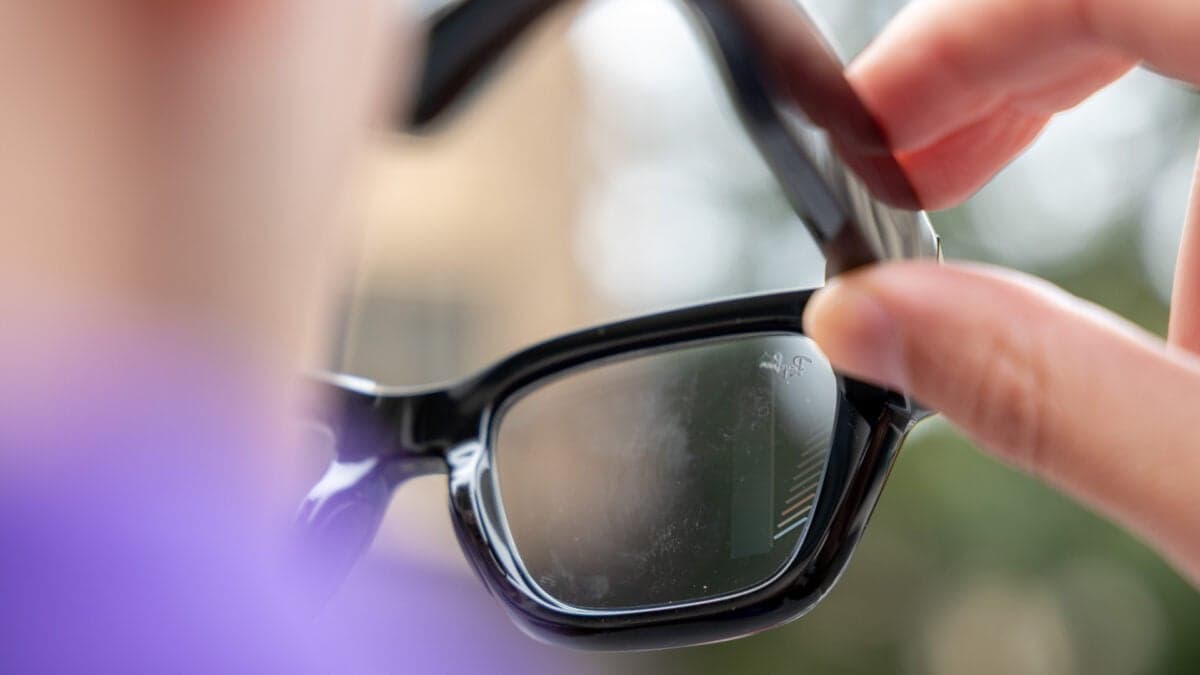
European eyewear retailer Hans Anders has stopped selling Meta Ray-Ban smart glasses in Belgium and the Netherlands, citing privacy concerns. The decision follows growing regulatory scrutiny and reports of misuse, including unauthorized recording and harassment, particularly targeting women.
30 SEC SUMMARY
- Major European eyewear retailer Hans Anders has halted sales of Meta Ray-Ban smart glasses in Belgium and the Netherlands due to privacy concerns.
- Regulatory actions in Germany, the UK, and the U.S. signal growing scrutiny of smart glasses in public spaces.
- Privacy debates focus on unauthorized recording, harassment risks, and compliance with data protection laws.
- Dutch regulators and consumer groups threaten legal action against Meta if privacy safeguards are not improved.
- Smart glasses face bans or restrictions in pubs, courts, cruises, and cinemas over misuse concerns.
TABLE OF CONTENTS
- Retailer Halts Sales Amid Privacy Debates
- Regulatory Scrutiny and Legal Threats
- Global Restrictions on Smart Glasses
- Smart Glasses’ Privacy Safeguards Questioned
- What this means
- Key takeaways
- FAQ
- Sources
KEY HIGHLIGHTS
- Hans Anders, a major European eyewear retailer, has halted sales of Meta Ray-Ban smart glasses in Belgium and the Netherlands over privacy concerns.
- Hamburg’s parliament adopted a resolution to ban smart glasses in public spaces, including transit and pools, due to recording fears.
- Wetherspoons banned smart glasses in over 800 pubs across England and Ireland, and Royal Caribbean restricted their use on cruise liners.
- The Dutch Data Protection Authority (AP) prohibits sharing footage of identifiable individuals without consent.
- Consumer group Consumentenbond threatens legal action against Meta if its smart glasses do not comply with privacy laws.
- Meta’s smart glasses include a blinking light to indicate recording, but users can cover it to hide filming.
Retailer Halts Sales Amid Privacy Debates
Hans Anders, a leading European eyewear retailer with over 400 stores in Belgium and the Netherlands, has stopped selling Meta Ray-Ban smart glasses in both countries. According to The Next Web, the decision stems from privacy concerns, including reports of strangers using the glasses to film individuals, particularly women, without consent.
The retailer, owned by private equity firm KKR through its Nexeye parent company, operates 776 stores across five European countries but does not sell the smart glasses in Germany, Austria, or Sweden. Hans Anders stated it will await the resolution of ongoing privacy debates before reconsidering sales, as reported by TechRadar.
Regulatory Scrutiny and Legal Threats
Dutch regulators are escalating their response to privacy risks associated with smart glasses. The Dutch Data Protection Authority (AP) has warned that sharing footage of identifiable individuals without permission is illegal, according to The Next Web. The AP is exploring further measures against camera-equipped glasses and has received six reports and one complaint about Meta’s Ray-Ban smart glasses.
Consumer group Consumentenbond has threatened legal action against Meta unless the company ensures its smart glasses comply with privacy laws. The group demonstrated that users could bypass Meta’s recording indicator—a blinking light—by covering it with a sticker, undermining the safeguard, as reported by The Next Web.
Global Restrictions on Smart Glasses
Privacy concerns have led to bans and restrictions on smart glasses in multiple countries. According to Gizmodo, Hamburg’s parliament adopted a resolution to prohibit smart glasses in public spaces such as transit and pools. In the UK, pub chain Wetherspoons banned their use in over 800 locations, while Royal Caribbean restricted them on its cruise liners.
In the U.S., New York State has banned smart glasses in courtrooms, and lawmakers are investigating Meta’s plans to introduce facial recognition features. The UK Cinema Association is also considering restrictions to prevent piracy and unauthorized livestreaming, as reported by TechRadar.
Norway’s government plans a temporary ban on AI-powered glasses in certain public places, and Paris prosecutors have opened a criminal probe into their misuse, according to The Next Web.
Smart Glasses’ Privacy Safeguards Questioned
Meta claims its Ray-Ban smart glasses include a visible blinking light to indicate recording, which cannot be turned off. However, TechRadar reports that users can disable the camera by tampering with the light, though doing so stops recording. This loophole has raised concerns about the effectiveness of the safeguard.
The Dutch government is awaiting a report from the European Data Protection Board, expected later this year, before taking further action. Meanwhile, advocacy group Offlimits has urged Meta and Ray-Ban owner EssilorLuxottica to withdraw the glasses from sale entirely, as reported by The Next Web.
What this means
Lazyfounder analysis — our interpretation, not reported fact.
Hans Anders’ decision to halt sales of Meta Ray-Ban smart glasses highlights a critical tension between technological innovation and privacy rights. For founders and operators in the consumer tech space, this case underscores the importance of proactively addressing privacy concerns—especially for products used in public spaces. Regulatory scrutiny is unlikely to fade, and companies must build safeguards that are both robust and tamper-proof to avoid legal risks and reputational damage.
The growing list of bans and restrictions also signals that markets may reject products perceived as invasive, even if they offer novel features. Startups developing wearable tech should prioritize transparency and user control to align with evolving consumer expectations and regulatory demands. Finally, this saga demonstrates how quickly public sentiment can turn against a product when misuse cases—particularly those affecting vulnerable groups—gain visibility.
Key takeaways
- Hans Anders has stopped selling Meta Ray-Ban smart glasses in Belgium and the Netherlands, citing privacy concerns.
- Hamburg’s parliament has proposed banning smart glasses in public spaces like transit and pools.
- Wetherspoons and Royal Caribbean have restricted smart glasses use in their establishments.
- Privacy concerns include unauthorized recording, harassment, and extortion, disproportionately affecting women.
- Dutch regulators and consumer groups are considering legal action against Meta over privacy violations.
- Meta’s smart glasses feature a blinking light to indicate recording, but users can bypass it.
FAQ
Why did Hans Anders stop selling Meta Ray-Ban smart glasses?
Hans Anders halted sales due to privacy concerns, including reports of unauthorized recording and harassment, particularly targeting women in public spaces.
What are the privacy risks associated with smart glasses?
Privacy risks include unauthorized recording of individuals without consent, sharing footage online, and potential misuse for harassment or extortion. Women have been disproportionately affected in reported cases.
How are regulators responding to smart glasses?
Regulators in Europe and the U.S. are imposing bans or restrictions in public spaces, transit, courts, and entertainment venues. Dutch authorities are also considering legal action against Meta over privacy violations.
What safeguards do Meta’s smart glasses have?
Meta’s smart glasses feature a blinking light to indicate recording, which cannot be disabled. However, users can cover the light to hide filming, and tampering stops the camera from working.
Will other retailers follow Hans Anders’ decision?
While Hans Anders is among the first major retailers to halt sales, growing regulatory pressure and public concern may lead others to reconsider offering smart glasses, particularly if misuse cases continue to emerge.
Related on Lazyfounder
Sources
- Gizmodo · 2026-10-02
Some Retailers Are Opting Out of Selling Smart Glasses - TechRadar · 2026-10-05
Dutch eyewear giant becomes first retailer to halt Meta Ray-ban sales — Hans Anders pulls smart glasses from 400 stores due to ‘questions being raised’ about the tech - The Next Web · 2026-10-05
Dutch eyewear chain Hans Anders stops selling Meta’s Ray-Ban glasses
This story is an original summary drafted with AI by Lazyfounder from the reporting listed above and checked by automated validation. Facts are attributed to their original publishers; sections marked as analysis are Lazyfounder's. Where a source is in another language, facts were machine-translated and quotations are reported, not reproduced. Read the original coverage via the links, and see our AI policy and corrections policy.

About the author
Editor, Lazyfounder
Tarun Mottlia edits LazyFounders, covering Indian startups, funding rounds, AI and product launches. Every story on the site is AI-assisted and checked against its cited sources before publication.
More stories by Tarun MottliaGet the LazyFounder Brief
Startup, funding and AI news in a five-minute read. Join the early-access list.
