
India removes BitChat from App Store, digital rights group calls move "unconstitutional"
Apple removed BitChat, an offline messaging app linked to Twitter co-founder Jack Dorsey, from India’s App Store after a government order under Section 69A of the IT Act. The Internet Freedom Foundation (IFF) has condemned the move as "unconstitutional" and demanded transparency, while critics argue the app’s removal targets its functionality—not its content.

Editor, Lazyfounder
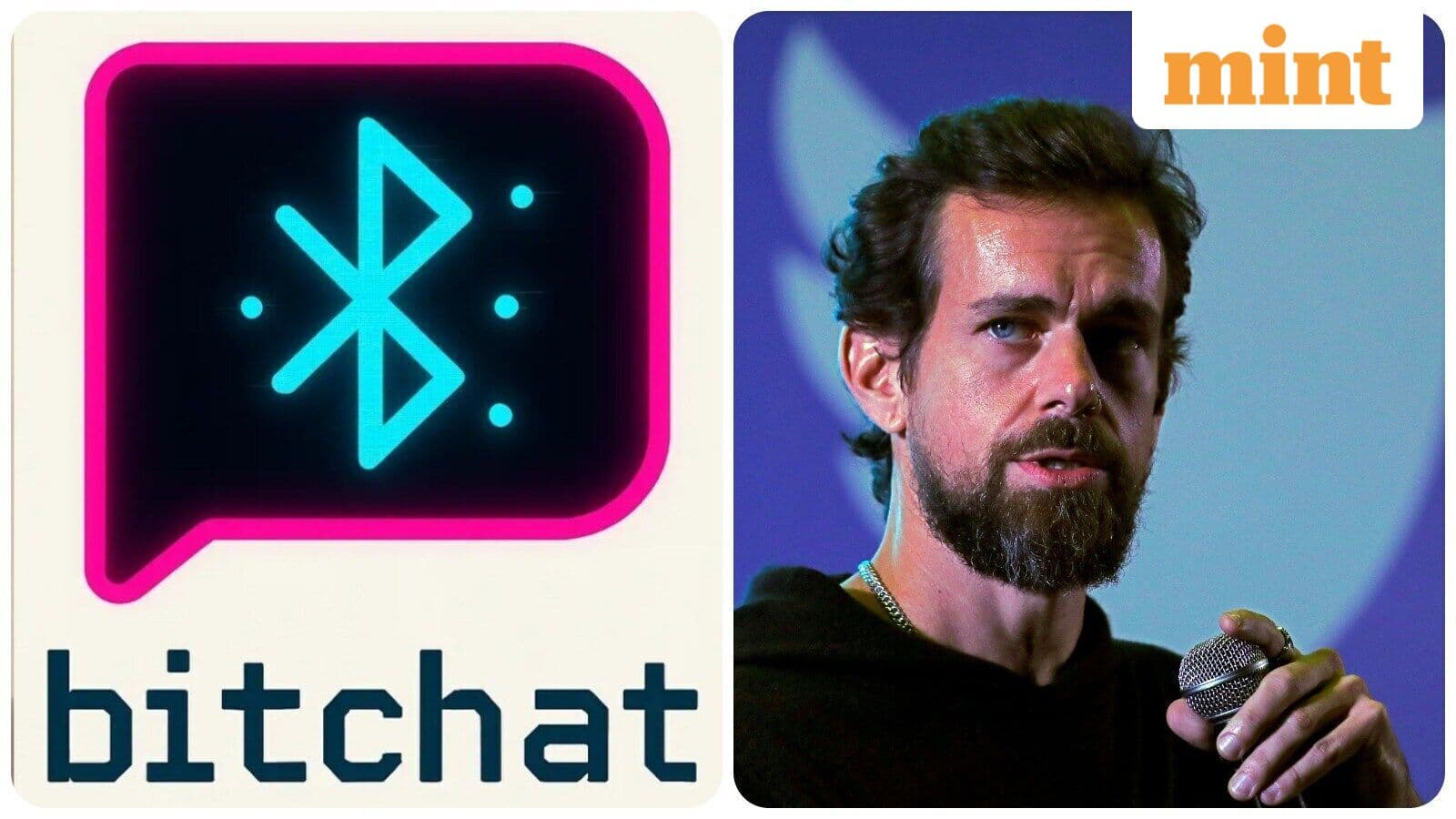
Apple removed BitChat, an offline messaging app linked to Twitter co-founder Jack Dorsey, from India’s App Store after a government order under Section 69A of the IT Act. The Internet Freedom Foundation (IFF) has condemned the move as "unconstitutional" and demanded transparency, while critics argue the app’s removal targets its functionality—not its content.
30 SEC SUMMARY
- BitChat, an offline messaging app linked to Twitter co-founder Jack Dorsey, was removed from India’s App Store after a government takedown demand under Section 69A of the IT Act, 2000.
- The Internet Freedom Foundation (IFF) condemned the removal as "unconstitutional" and demanded transparency and withdrawal of the blocking order.
- BitChat uses Bluetooth mesh networking to enable offline, encrypted messaging without internet or cellular networks.
- The removal raises concerns about due process, transparency, and the proportionality of blocking entire applications rather than specific content.
- Apple removed BitChat in only one other country besides India: China.
TABLE OF CONTENTS
- Removal of BitChat from India’s App Store
- How BitChat works and why it raised concerns
- Legal and constitutional challenges
- Background: Regulatory scrutiny of offline messaging apps
- What this means
- Key takeaways
- FAQ
- Sources
KEY HIGHLIGHTS
- BitChat, an offline messaging app associated with Twitter co-founder Jack Dorsey, was removed from India’s App Store by Apple on October 3, 2026.
- The removal followed a takedown demand from India’s Ministry of Electronics and Information Technology (MeitY) under Section 69A of the IT Act, 2000.
- The Internet Freedom Foundation (IFF) condemned the move as "unconstitutional" and demanded publication and withdrawal of the blocking order.
- Apple’s notice stated BitChat included "content that is illegal in India" but did not specify the content or grounds for removal.
- BitChat uses Bluetooth mesh networking to enable encrypted messaging without internet, cellular networks, or phone numbers.
- This is the second country—after China—where Apple has removed BitChat at a government’s request.
Removal of BitChat from India’s App Store
Apple removed the offline messaging app BitChat from the India App Store on October 3, 2026, following a takedown demand from the Ministry of Electronics and Information Technology (MeitY). The demand was issued under Section 69A of the Information Technology Act, 2000, which permits the blocking of content deemed unlawful. According to Mint, Apple’s App Review notice stated the app included "content that is illegal in India" but did not specify the content or the grounds invoked under the law.
The Internet Freedom Foundation (IFF), a digital rights advocacy group, condemned the removal as "unconstitutional." The IFF argued that the blocking order bypasses safeguards established by Indian constitutional courts, including requirements for transparency, publication of orders, and the adoption of the least restrictive measures. The group has demanded the immediate withdrawal and publication of the order, along with a hearing for the developers.
How BitChat works and why it raised concerns
BitChat is a decentralized, offline messaging app that enables encrypted communication without relying on internet connectivity, cellular networks, or phone numbers. It uses Bluetooth Low Energy (BLE) mesh networking to relay messages between nearby devices, creating a chain or "mesh" that extends communication range. When internet connectivity is available, it can integrate with the Nostr protocol, a decentralized network for real-time messaging.
The app’s design—particularly its ability to function during internet shutdowns—appears to be the primary concern for Indian authorities. The Indian Cyber Crime Coordination Centre (I4C) had previously issued notices against BitChat, Briar, and Bridgefy, citing risks related to lawful interception and coordination during internet blackouts. According to the IFF, the objection to BitChat is not about specific transmitted content but its capability to operate independently of regulated networks.
Legal and constitutional challenges
The IFF highlighted that Indian courts have established safeguards for blocking orders under Section 69A. In Tanul Thakur v. Union of India (2022), the Delhi High Court reinforced requirements for transparency and due process. Similarly, the Supreme Court’s ruling in Anuradha Bhasin v. Union of India (2020) mandated that restrictions on fundamental rights must be published and adopt the least restrictive measures.
The IFF argued that the secret blocking of an entire application—rather than specific unlawful content—represents the "most restrictive and disproportionate" measure available. It noted that removal from the App Store prevents new downloads, security updates, and testing via TestFlight, leaving existing users on unpatched versions.
The advocacy group also called on Apple to disclose the demand in its transparency reports, notify Indian users, and clarify whether similar orders have been received for other app stores.
Background: Regulatory scrutiny of offline messaging apps
BitChat’s removal follows earlier actions against offline messaging tools in India. In July 2026, the I4C issued notices to restrict BitChat’s GitHub repositories, along with apps like Briar and Bridgefy, citing concerns about their use during internet shutdowns and the challenges they pose to lawful interception. Reports suggest these notices were withdrawn after public disclosure.
The app is associated with Twitter co-founder Jack Dorsey, who has been vocal about digital rights and censorship. Its removal from the App Store parallels a similar action taken by Apple in China in April 2026, underscoring the unique regulatory pressures facing apps that bypass traditional network infrastructure.
What this means
Lazyfounder analysis — our interpretation, not reported fact.
This case highlights a growing tension between digital rights and government oversight in India. For founders and operators, the removal of BitChat without clear public justification or due process sets a concerning precedent. Startups building decentralized or offline-first tools—especially those operating in sensitive sectors—must now weigh the risks of abrupt regulatory action, even if their technology complies with existing laws.
The lack of transparency in the blocking order also underscores the vulnerability of startups to opaque enforcement mechanisms. While larger platforms like Apple may have the resources to navigate such demands, smaller teams could face existential threats if their apps are suddenly delisted. The IFF’s push for publication of orders and hearings reflects a broader demand for accountability, which could shape how future disputes over digital rights are resolved.
For now, this incident serves as a reminder: in markets where regulatory discretion is broad and public scrutiny limited, even innovative but legally ambiguous products can become collateral in larger debates over control and access.
Key takeaways
- BitChat’s removal from the India App Store was triggered by a government demand under Section 69A of the IT Act, 2000, with no public explanation of the illegal content cited.
- The Internet Freedom Foundation (IFF) argues the blocking order violates constitutional safeguards and lacks transparency, demanding its withdrawal and publication.
- BitChat’s decentralized, offline functionality—using Bluetooth mesh networking—was likely the focus of government concerns, not specific content transmitted by users.
- Apple’s compliance with the takedown request without disclosing details raises questions about platform accountability and user notification.
- Similar apps like Briar and Bridgefy have faced scrutiny in India, suggesting a pattern of regulatory unease with tools that bypass traditional network infrastructure.
FAQ
Why was BitChat removed from India’s App Store?
Apple removed BitChat after receiving a takedown demand from India’s Ministry of Electronics and Information Technology (MeitY) under Section 69A of the IT Act, 2000. The notice cited "content that is illegal in India" but did not specify the content or legal grounds.
What is BitChat and how does it work?
BitChat is a decentralized, offline messaging app that uses Bluetooth mesh networking to relay encrypted messages without internet, cellular networks, or phone numbers. It can also integrate with the Nostr protocol when internet connectivity is available.
What legal concerns does the IFF raise about the removal?
The Internet Freedom Foundation (IFF) argues the blocking order violates constitutional safeguards, including transparency, due process, and the requirement to use the least restrictive measures. It demands publication of the order and a hearing for the developers.
Has Apple removed BitChat in other countries?
Yes, Apple removed BitChat from the App Store in China in April 2026, following a government demand. India is the only other country where this action has been taken.
What are the risks for users now that BitChat is removed?
The removal stops new downloads, security updates, and testing via Apple’s TestFlight. Existing users remain on unpatched versions, which may expose them to security vulnerabilities.
Related on Lazyfounder
Sources
- Mint (Technology) · 2026-10-04
‘Unconstitutional’: Advocacy group condemns BitChat's removal from India App Store on govt order, lists four demands
This story is an original summary drafted with AI by Lazyfounder from the reporting listed above and checked by automated validation. Facts are attributed to their original publishers; sections marked as analysis are Lazyfounder's. Where a source is in another language, facts were machine-translated and quotations are reported, not reproduced. Read the original coverage via the links, and see our AI policy and corrections policy.

About the author
Editor, Lazyfounder
Tarun Mottlia edits LazyFounders, covering Indian startups, funding rounds, AI and product launches. Every story on the site is AI-assisted and checked against its cited sources before publication.
More stories by Tarun MottliaGet the LazyFounder Brief
Startup, funding and AI news in a five-minute read. Join the early-access list.