
Morrisons ends AI smart trolley trial as Instacart exits Caper Carts
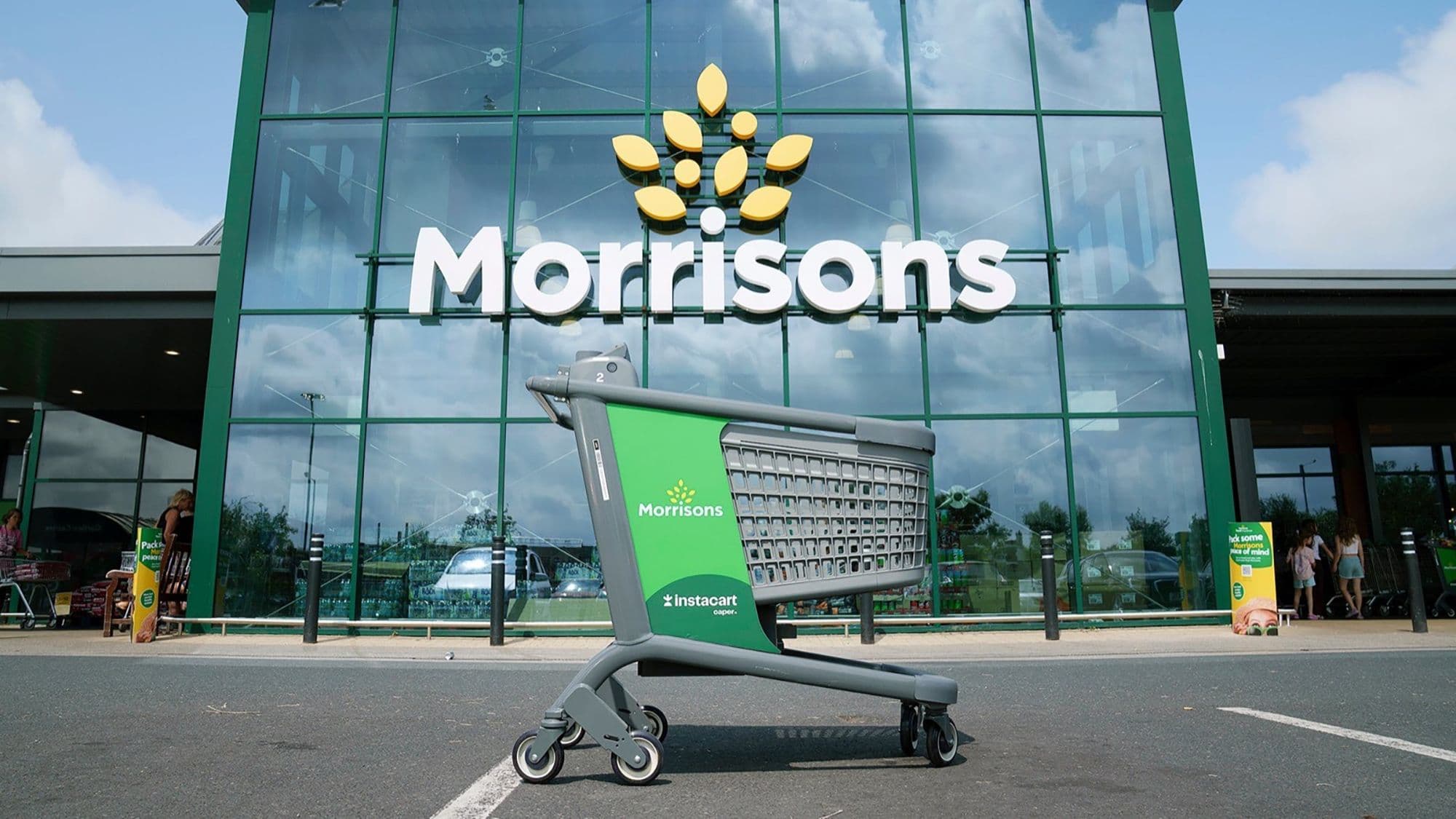
UK supermarket chain Morrisons has discontinued its trial of AI-powered smart trolleys, known as Caper Carts, following Instacart's decision to wind down the technology. The trial, conducted at a single store in Ashton-on-Ribble, Preston, aimed to automate the shopping process but faced limited adoption across retailers.

Editor, Lazyfounder
Trial details and Instacart’s exit
Morrisons has ended its trial of AI-powered smart trolleys, called Caper Carts, at its store in Ashton-on-Ribble, Preston. The trial was part of a partnership with Instacart, which has now decided to discontinue the technology due to insufficient adoption by retailers. The Caper Carts used AI, cameras, and integrated touchscreens to allow shoppers to log purchases as they added items to their trolleys.
Instacart’s withdrawal of the Caper Carts extends beyond the UK. The technology was also pulled from US retailers such as Schnucks and Wegmans, signaling broader challenges in scaling the solution.
Why the trial was discontinued
According to reports, the smart trolleys required shoppers to adopt a new way of scanning and paying for items, which may have added friction to the shopping experience. Unlike behind-the-scenes AI applications—such as shelf cameras that monitor inventory and automate reordering—consumer-facing AI tools like Caper Carts demand significant behavioral change from users.
Morrisons’ own AI-driven inventory management systems, such as shelf cameras, have been more successful and have even won awards for their effectiveness. This contrast underscores the difficulty of introducing AI tools that directly interact with customers compared to those operating in the background.
Implications for retail AI adoption
This development follows broader consumer and regulatory pushback against AI-driven pricing tools in retail, as seen in recent cases involving US retailers and restaurant chains. While AI applications like dynamic pricing and inventory management are gaining traction, consumer-facing AI tools face hurdles related to usability, adoption, and trust.
The Morrisons trial, though limited in scope, provides a case study for retailers exploring AI-powered shopping experiences. The challenge lies in balancing innovation with practicality, particularly when solutions require customers to change established habits.
What this means
Lazyfounder analysis — our interpretation, not reported fact.
The failure of Morrisons’ Caper Carts trial is a reminder that not all AI innovations translate into viable retail solutions—especially those requiring consumer behavior change. While behind-the-scenes AI tools, like inventory management systems, have proven successful, technologies that disrupt the shopping experience face steeper adoption challenges. For founders and operators in retail tech, this signals the need to prioritize seamless integration over novelty, ensuring AI solutions align with existing consumer behaviors rather than demanding new ones.
Related on Lazyfounder
Sources
- TechRadar · 2026-10-28
Morrisons AI smart trolley trial is over, as partner Instacart winds down its cart operations — but supermarkets seem intent on automating the wrong tech
This story is an original summary drafted with AI by Lazyfounder from the reporting listed above and checked by automated validation. Facts are attributed to their original publishers; sections marked as analysis are Lazyfounder's. Where a source is in another language, facts were machine-translated and quotations are reported, not reproduced. Read the original coverage via the links, and see our AI policy and corrections policy.

About the author
Editor, Lazyfounder
Tarun Mottlia edits LazyFounders, covering Indian startups, funding rounds, AI and product launches. Every story on the site is AI-assisted and checked against its cited sources before publication.
More stories by Tarun MottliaGet the LazyFounder Brief
Startup, funding and AI news in a five-minute read. Join the early-access list.
