
iPhone 18 Pro vs. Galaxy S26 Ultra: Camera Comparison Tests in Hawaii
The latest flagship smartphones from Apple and Samsung, the iPhone 18 Pro and Galaxy S26 Ultra, were put to the test in Hawaii to compare their camera capabilities. The comparison highlights differences in color science, zoom, resolution, and selfie features, offering insights for users prioritizing photography and video.

Editor, Lazyfounder
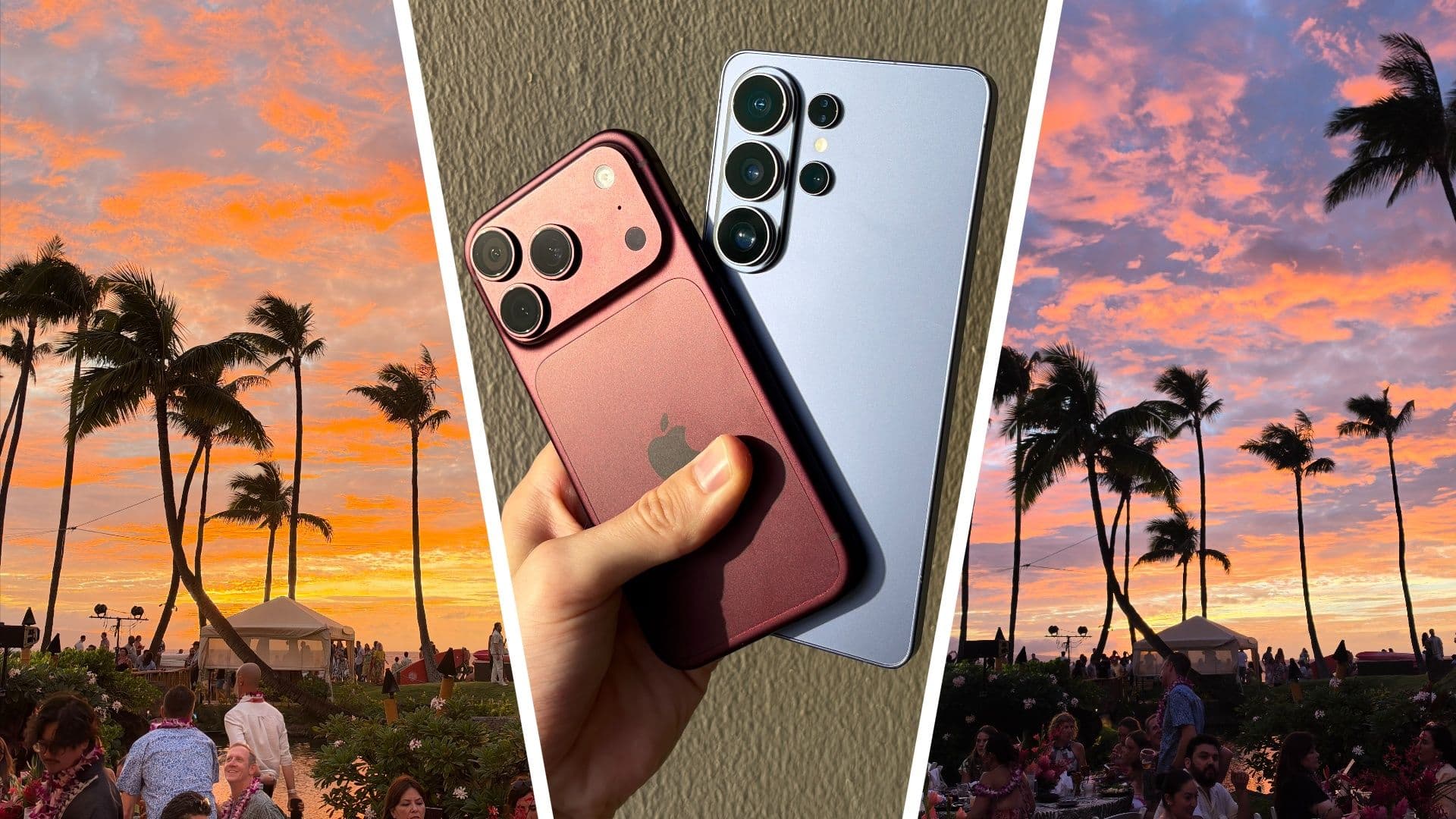
The latest flagship smartphones from Apple and Samsung, the iPhone 18 Pro and Galaxy S26 Ultra, were put to the test in Hawaii to compare their camera capabilities. The comparison highlights differences in color science, zoom, resolution, and selfie features, offering insights for users prioritizing photography and video.
30 SEC SUMMARY
- The iPhone 18 Pro and Samsung Galaxy S26 Ultra are compared in a camera test in Hawaii, focusing on wide, zoom, macro, ultra-wide, and selfie photography.
- The iPhone 18 Pro features a 48MP wide camera with variable aperture (f/1.5-4.0), while the Galaxy S26 Ultra has a 200MP wide camera with f/1.4 aperture.
- The iPhone 18 Pro defaults to 24MP images, offering natural colors, while the Galaxy S26 Ultra defaults to 12MP with brighter, high-contrast outputs.
- The Galaxy S26 Ultra leads in zoom with 5x optical zoom (vs. 4x on iPhone) and up to 100x digital zoom (vs. 40x on iPhone).
- The iPhone 18 Pro’s selfie camera (18MP) is larger than the Galaxy S26 Ultra’s (12MP) and includes subject tracking and mode-switching features.
TABLE OF CONTENTS
- Camera Specifications and Default Settings
- Color Science and Image Output
- Zoom and Optical Performance
- Selfie and Front-Facing Camera
- Market Context and Availability
- What this means
- Key takeaways
- FAQ
- Sources
KEY HIGHLIGHTS
- The Samsung Galaxy S26 Ultra was released globally in January 2026, with competitors like the Oppo Find X9 Ultra and Xiaomi 17 Ultra following later.
- The iPhone 18 Pro’s camera system includes a 48MP wide lens with variable aperture (f/1.5-4.0) and defaults to 24MP images for natural color reproduction.
- The Galaxy S26 Ultra features a 200MP wide camera with f/1.4 aperture, defaulting to 12MP images with brighter, contrast-heavy results.
- The Galaxy S26 Ultra offers superior zoom capabilities, including 5x optical zoom (vs. 4x on iPhone) and up to 100x digital zoom.
- The iPhone 18 Pro’s selfie camera (18MP) supports subject tracking and mode-switching, outperforming the Galaxy S26 Ultra’s 12MP front-facing sensor.
Camera Specifications and Default Settings
According to TechRadar, the iPhone 18 Pro and Samsung Galaxy S26 Ultra represent the pinnacle of smartphone camera technology in 2026, but their approaches differ significantly. The iPhone 18 Pro features a 48MP wide camera with a variable aperture ranging from f/1.5 to f/4.0, a first for Apple’s flagship lineup. This allows users to manually adjust the aperture for greater creative control, a feature emphasized in the device’s marketing.
In contrast, the Galaxy S26 Ultra sports a 200MP wide camera with a fixed f/1.4 aperture. While it lacks manual aperture control, Samsung’s camera defaults to 12MP images through pixel-binning, a technique that combines multiple pixels to improve low-light performance and dynamic range. The iPhone 18 Pro, however, defaults to 24MP images, leveraging Apple’s "super-high-resolution" imaging pipeline to balance detail and file size.
Color Science and Image Output
The two devices produce distinctly different images, particularly in color reproduction. According to TechRadar’s test in Hawaii, the iPhone 18 Pro delivers more natural and muted colors, aligning with Apple’s long-standing preference for accuracy over saturation. This approach caters to users who edit their photos or prefer a neutral starting point for post-processing.
The Galaxy S26 Ultra, on the other hand, leans into brighter, more contrast-heavy images straight out of the camera. This style appeals to users who prioritize immediate visual impact, though it may result in less flexibility for editing. The difference is most noticeable in vibrant scenes, such as tropical landscapes, where Samsung’s processing amplifies saturation and sharpness.
Zoom and Optical Performance
Zoom capabilities are a key differentiator between the two devices. The Galaxy S26 Ultra offers 5x optical zoom, outperforming the iPhone 18 Pro’s 4x optical zoom. Samsung also includes an additional 3x optical zoom option, providing greater flexibility for users who frequently shoot distant subjects. The Galaxy S26 Ultra’s digital zoom extends up to 100x, albeit with diminishing returns in quality beyond 30x, while the iPhone 18 Pro maxes out at 40x digital zoom.
TechRadar’s test highlighted the Galaxy S26 Ultra’s dominance in zoom photography, particularly in scenarios like wildlife or architectural detail shots. However, the iPhone 18 Pro’s zoom performance remains competitive in well-lit conditions, with fewer artifacts and more consistent color rendition.
Selfie and Front-Facing Camera
The iPhone 18 Pro’s front-facing camera stands out with its 18MP sensor, a notable upgrade over the Galaxy S26 Ultra’s 12MP sensor. Apple has also introduced software enhancements to its "Center Stage" feature, which now includes subject tracking to keep users centered in the frame during video calls or selfie videos. Additionally, the iPhone allows users to switch between portrait and landscape modes for selfies, a feature absent on the Galaxy S26 Ultra.
TechRadar’s comparison found the iPhone 18 Pro’s selfie camera to be more versatile and higher quality, particularly in low-light scenarios. The larger sensor and advanced processing result in sharper, more detailed images, making it a strong choice for content creators and frequent selfie takers.
Market Context and Availability
The Galaxy S26 Ultra was released globally in January 2026, followed by the Oppo Find X9 Ultra and Xiaomi 17 Ultra later in the year. Notably, the Oppo and Xiaomi devices were not available in the US market, while Australian buyers could access the Xiaomi 17 Ultra but not the Oppo Find X9 Ultra. Google entered the fray in August 2026 with the Pixel 11 Pro, further intensifying competition in the premium smartphone segment.
The iPhone 18 Pro’s camera has been praised for its pro-level video capabilities, including advanced stabilization and log-profile support, making it a favorite among videographers. Samsung’s Galaxy S26 Ultra, however, remains the preferred choice for users who prioritize zoom and stylized photography, despite its aggressive image processing.
What this means
Lazyfounder analysis — our interpretation, not reported fact.
This comparison underscores that the choice between the iPhone 18 Pro and Galaxy S26 Ultra depends on user priorities. For photographers who value natural colors, consistent performance across lighting conditions, and manual controls, the iPhone 18 Pro is the stronger option. Its variable aperture and high-resolution defaults cater to those who prefer flexibility in editing and post-processing.
On the other hand, the Galaxy S26 Ultra is tailored for users who prioritize zoom range and immediate visual impact. Samsung’s approach sacrifices some manual control in favor of vibrant, ready-to-share images and superior optical zoom. The selfie camera comparison also favors Apple, particularly for users who rely on front-facing cameras for video or social content.
Ultimately, the decision comes down to whether a user values Apple’s subtlety and precision or Samsung’s boldness and zoom prowess. Both devices represent the cutting edge of smartphone photography, but their strengths serve different creative needs.
Key takeaways
- The iPhone 18 Pro excels in consistent wide-angle photography and natural color science, making it ideal for well-lit and low-light conditions.
- The Galaxy S26 Ultra is better suited for zoom photography and stylized shots due to its higher optical and digital zoom ranges.
- Apple’s variable aperture and pro-level video features set the iPhone 18 Pro apart for users prioritizing manual controls and video quality.
- Samsung’s pixel-binning approach (defaulting to 12MP) trades resolution for brightness and contrast, catering to users who prefer vibrant images.
- The iPhone 18 Pro’s selfie camera offers advanced features like subject tracking and mode-switching, enhancing its versatility for social and video use.
FAQ
Which phone has better zoom capabilities?
The Samsung Galaxy S26 Ultra offers superior zoom capabilities, including 5x optical zoom (vs. 4x on the iPhone 18 Pro) and up to 100x digital zoom. The iPhone 18 Pro maxes out at 40x digital zoom and performs better in well-lit conditions with fewer artifacts.
How do the default image resolutions compare?
The iPhone 18 Pro defaults to 24MP images, while the Galaxy S26 Ultra defaults to 12MP images through pixel-binning. Apple’s approach prioritizes resolution and natural colors, whereas Samsung’s method emphasizes brightness and dynamic range.
Which phone is better for selfies?
The iPhone 18 Pro has a better selfie camera, featuring an 18MP sensor (vs. 12MP on the Galaxy S26 Ultra) and advanced features like subject tracking and mode-switching for portrait and landscape selfies.
Does the iPhone 18 Pro support manual aperture control?
Yes, the iPhone 18 Pro introduces manual aperture control with a range of f/1.5 to f/4.0, a feature not available on the Samsung Galaxy S26 Ultra.
Which phone produces more natural colors?
The iPhone 18 Pro produces more natural and muted colors, while the Galaxy S26 Ultra delivers brighter, more contrast-heavy images straight out of the camera.
Related on Lazyfounder
Sources
- TechRadar · 2026-10-02
I compared the iPhone 18 Pro and Samsung Galaxy S26 Ultra cameras in Hawaii — and both phones showed their true colors
This story is an original summary drafted with AI by Lazyfounder from the reporting listed above and checked by automated validation. Facts are attributed to their original publishers; sections marked as analysis are Lazyfounder's. Where a source is in another language, facts were machine-translated and quotations are reported, not reproduced. Read the original coverage via the links, and see our AI policy and corrections policy.

About the author
Editor, Lazyfounder
Tarun Mottlia edits LazyFounders, covering Indian startups, funding rounds, AI and product launches. Every story on the site is AI-assisted and checked against its cited sources before publication.
More stories by Tarun MottliaGet the LazyFounder Brief
Startup, funding and AI news in a five-minute read. Join the early-access list.
