
Hyundai launches Bayon SUV, targets 250,000 annual mid-size SUV sales in India
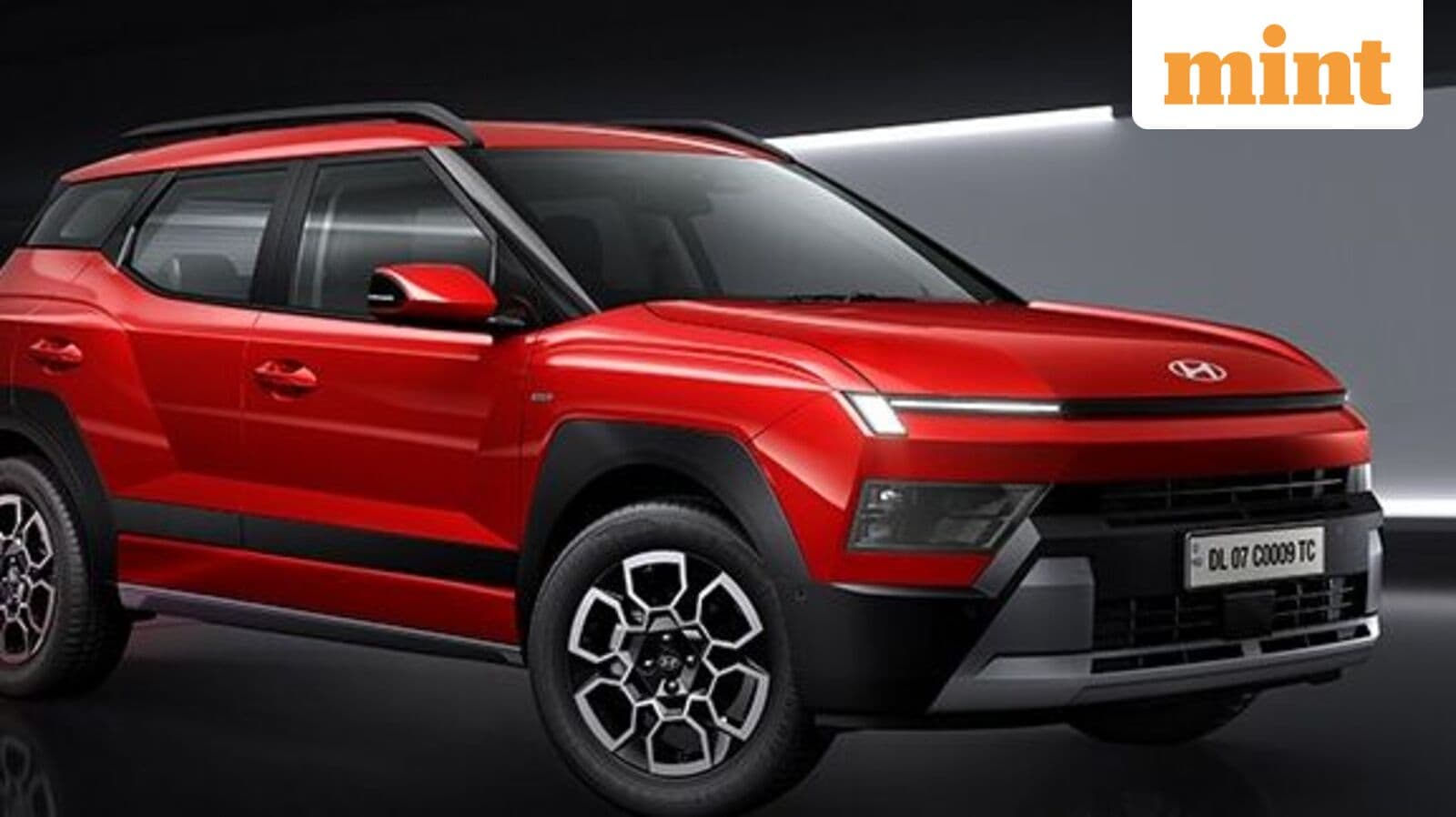
Hyundai Motor India Ltd has launched the Bayon SUV, its first new model in three years, as part of a strategy to regain market share in India’s competitive passenger vehicle segment. The company aims to achieve annual mid-size SUV sales of 250,000 units within the next year, leveraging new technologies and a push into the growing SUV market.

Editor, Lazyfounder
Hyundai’s SUV strategy and market ambitions
Hyundai Motor India Ltd has introduced the Bayon SUV, marking its first new model launch in three years. The company is targeting annual sales of 250,000 units in the mid-size SUV segment within the next 12 months, up from approximately 170,000 units currently. The Bayon will compete with established models like the Tata Sierra, Maruti Suzuki Victoris, Grand Vitara, and Renault Duster.
The launch is part of Hyundai’s broader plan to introduce seven new models in India by 2030. According to Tarun Garg, Managing Director and CEO of Hyundai Motor India, the combined sales of the Bayon and Creta are expected to exceed 250,000 units annually, addressing a gap left by slower product updates compared to competitors.
Market challenges and competitive pressures
Hyundai’s domestic market share has declined in recent years, with competitors like Mahindra & Mahindra Ltd and Tata Motors Passenger Vehicles Ltd gaining ground. In FY26, Hyundai sold 584,906 vehicles in India, down from 598,666 the previous year. During the same period, Mahindra reported over 660,000 passenger vehicle sales, while Tata Motors exceeded 640,000 units. The company acknowledged in its FY26 annual report that its slower pace of product enhancements had impacted sales.
The Bayon SUV is positioned as a response to these challenges. It features an in-built generative AI voice assistant and connected technologies, along with a 115 PS petrol engine. A CNG powertrain is planned for release in January.
Product positioning and target audience
Virat Khullar, Head of Marketing at Hyundai Motor India, stated that the Bayon and Creta are being marketed to distinct target groups. The company aims to differentiate the Bayon’s appeal through its technology offerings and design, catering to a segment that prioritizes connectivity and AI-driven features in their vehicles.
What this means
Lazyfounder analysis — our interpretation, not reported fact.
Hyundai’s launch of the Bayon SUV signals a renewed push to reclaim its position in India’s fiercely competitive SUV market. For founders and operators, this move highlights three critical insights:
First, the emphasis on generative AI and connected technologies in the Bayon reflects a broader industry shift toward tech-driven differentiation. Startups in automotive tech, particularly those working on AI assistants or IoT integrations, may find new opportunities to collaborate with traditional manufacturers looking to modernize their offerings.
Second, Hyundai’s sales target of 250,000 units for the Bayon and Creta combined underscores the importance of volume in India’s mid-size SUV segment. Competitors like Tata Motors and Mahindra have already demonstrated the viability of scaling in this space, and Hyundai’s push suggests that the segment remains a battleground for market share. For startups supplying components, software, or dealership services, this could mean increased demand for scalable solutions.
Finally, Hyundai’s acknowledgment of its slower product refresh cycle as a factor in its declining market share serves as a cautionary tale for operators. In a market where consumers expect rapid innovation, delays in product updates can have measurable consequences. Founders in manufacturing or product-driven sectors may need to assess their own refresh cycles to avoid similar pitfalls.
Related on Lazyfounder
Sources
- Mint (Technology) · 2026-10-26
Hyundai launches Bayon SUV, targets 250,000 mid-size sales in a year
This story is an original summary drafted with AI by Lazyfounder from the reporting listed above and checked by automated validation. Facts are attributed to their original publishers; sections marked as analysis are Lazyfounder's. Where a source is in another language, facts were machine-translated and quotations are reported, not reproduced. Read the original coverage via the links, and see our AI policy and corrections policy.

About the author
Editor, Lazyfounder
Tarun Mottlia edits LazyFounders, covering Indian startups, funding rounds, AI and product launches. Every story on the site is AI-assisted and checked against its cited sources before publication.
More stories by Tarun MottliaGet the LazyFounder Brief
Startup, funding and AI news in a five-minute read. Join the early-access list.
