
OPay targets $336M US IPO at $4B valuation as Banque du Caire raises $680M
Nigerian mobile money fintech OPay has filed for a $336 million initial public offering (IPO) on the New York Stock Exchange, aiming for a $4 billion valuation. Meanwhile, Egypt’s Banque du Caire increased its IPO stake sale to 45%, raising $680 million in the country’s largest IPO in five years. Regulatory developments in South Africa and Kenya are also reshaping operating conditions for fintech and satellite internet providers.

Editor, Lazyfounder
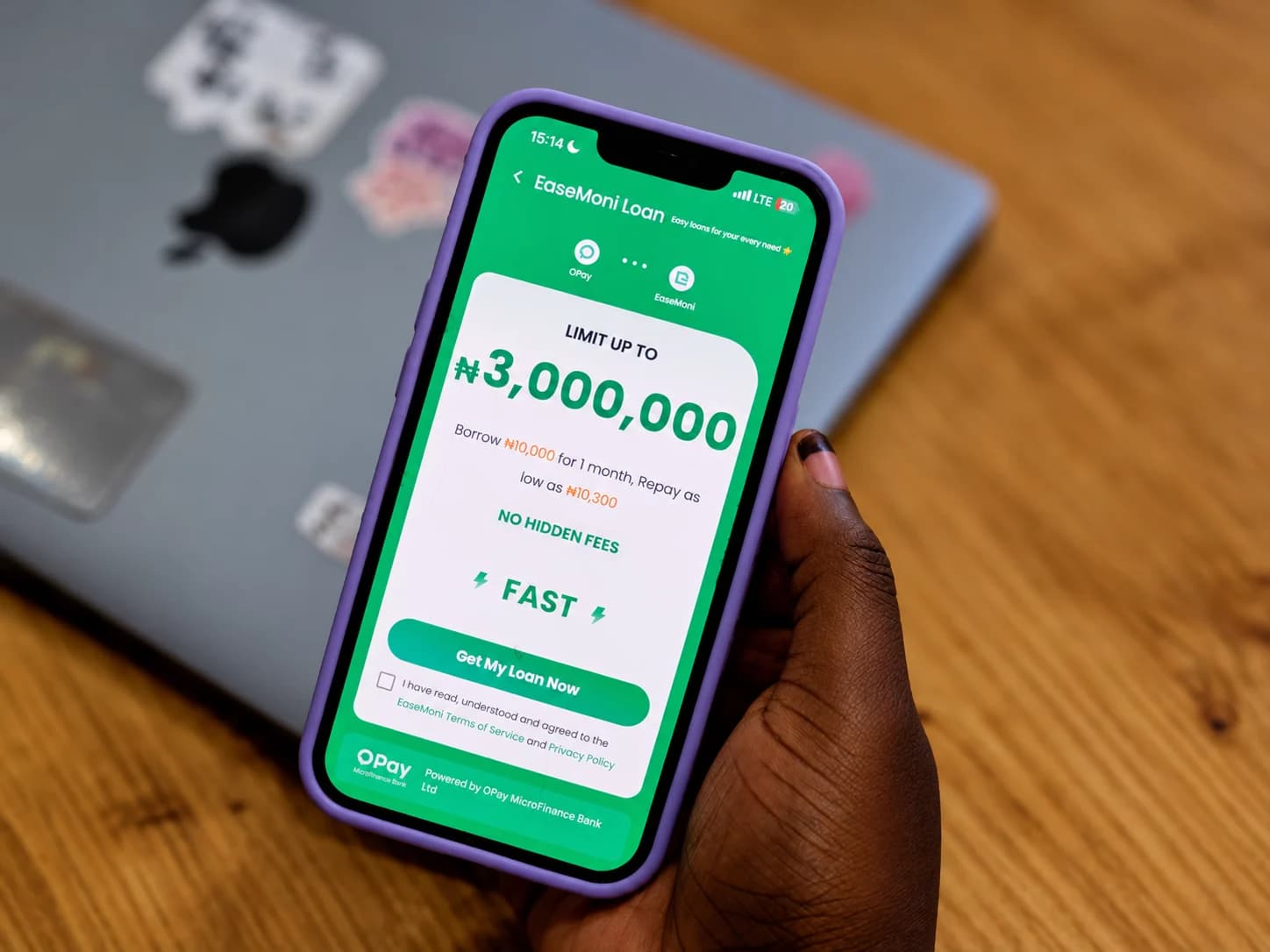
OPay’s US IPO details and growth
OPay, the Nigerian mobile money fintech, plans to raise up to $336 million by selling 16 million American depositary shares (ADSs) on the New York Stock Exchange at a price range of $19 to $21 per share. The company will trade under the ticker OPAY, with each ADS representing 10 ordinary shares. If successful, the listing could value OPay at approximately $4 billion, double its $2 billion valuation during its 2021 funding round.
OPay’s revenue more than doubled year-on-year to $806 million in the first half of 2026, signaling strong growth ahead of its public debut. The IPO comes as the company expands its fintech services, including partnerships like Fincra Pay with OPay, which targets cross-border payments.
Banque du Caire’s record IPO in Egypt
Banque du Caire, Egypt’s third-largest state-owned bank by assets, increased its IPO stake sale from 30% to 45%, aiming to raise about 36.4 billion Egyptian pounds ($680 million). The offering, entirely secondary, means the proceeds will go to Banque Misr, the selling shareholder, rather than the bank itself. The IPO was six times oversubscribed, reflecting strong investor demand.
Investors including the European Bank for Reconstruction and Development (EBRD) and the International Financial Corporation (IFC) each committed to buying up to 15.74% of the private placement. Standard Bank and Stanbic Africa Holdings also participated in the offering, which marks Egypt’s largest IPO in five years.
Regulatory shifts in Africa’s fintech and telecom sectors
Starlink has begun enforcing stricter roaming rules for its international Roam service in South Africa, requiring customers to register travel details. The move follows ongoing regulatory disputes in the country, where authorities have raised concerns about compliance with local telecommunications laws.
In Kenya, regulators are tightening beneficial ownership rules to meet Financial Action Task Force (FATF) requirements and exit the grey list by April 2027. The country has already addressed 19 of 21 action items, with the remaining two focused on anti-money laundering and counter-terrorism financing enforcement. The changes could impact fintech operators by increasing compliance costs and reporting obligations.
What this means
Lazyfounder analysis — our interpretation, not reported fact.
OPay’s US IPO reflects the growing maturity of African fintech companies seeking global capital markets, a trend that could encourage other players like Egypt’s MNT-Halan to explore similar paths. The $4 billion valuation target suggests investor confidence in mobile money’s scalability, though public market performance will test this appetite. For founders, OPay’s listing is a signal to evaluate whether public markets align with their growth strategies—especially in sectors like payments, where consolidation and regulatory scrutiny are intensifying.
Banque du Caire’s oversubscribed IPO highlights robust demand for Egyptian assets, even amid macroeconomic challenges. The deal’s structure—with proceeds going to the seller rather than the bank—also underscores how state-led divestments are reshaping the region’s capital markets. Founders and operators in North Africa should watch how this deal influences investor appetite for future privatizations or public offerings.
The regulatory changes in South Africa and Kenya are reminders that compliance burdens are rising across the continent. Starlink’s stricter roaming rules may set a precedent for other satellite internet providers, while Kenya’s FATF-driven reforms could become a template for neighboring markets. Fintech and telecom operators should assess whether their current compliance frameworks align with these evolving requirements, particularly in areas like beneficial ownership and cross-border data flows.
Related on Lazyfounder
Sources
- TechCabal · 2026-10-26
👨🏿🚀TechCabal Daily – OPay wants $336 million
This story is an original summary drafted with AI by Lazyfounder from the reporting listed above and checked by automated validation. Facts are attributed to their original publishers; sections marked as analysis are Lazyfounder's. Where a source is in another language, facts were machine-translated and quotations are reported, not reproduced. Read the original coverage via the links, and see our AI policy and corrections policy.

About the author
Editor, Lazyfounder
Tarun Mottlia edits LazyFounders, covering Indian startups, funding rounds, AI and product launches. Every story on the site is AI-assisted and checked against its cited sources before publication.
More stories by Tarun MottliaGet the LazyFounder Brief
Startup, funding and AI news in a five-minute read. Join the early-access list.
