
How to choose the right TV size for your room: guidelines and trade-offs
Selecting the right TV size involves balancing room dimensions, viewing distance, and personal comfort. While larger screens are becoming more affordable, guidelines like the 30-degree and 40-degree rules, along with SMPTE recommendations, help avoid eye strain and optimize the viewing experience.

Editor, Lazyfounder
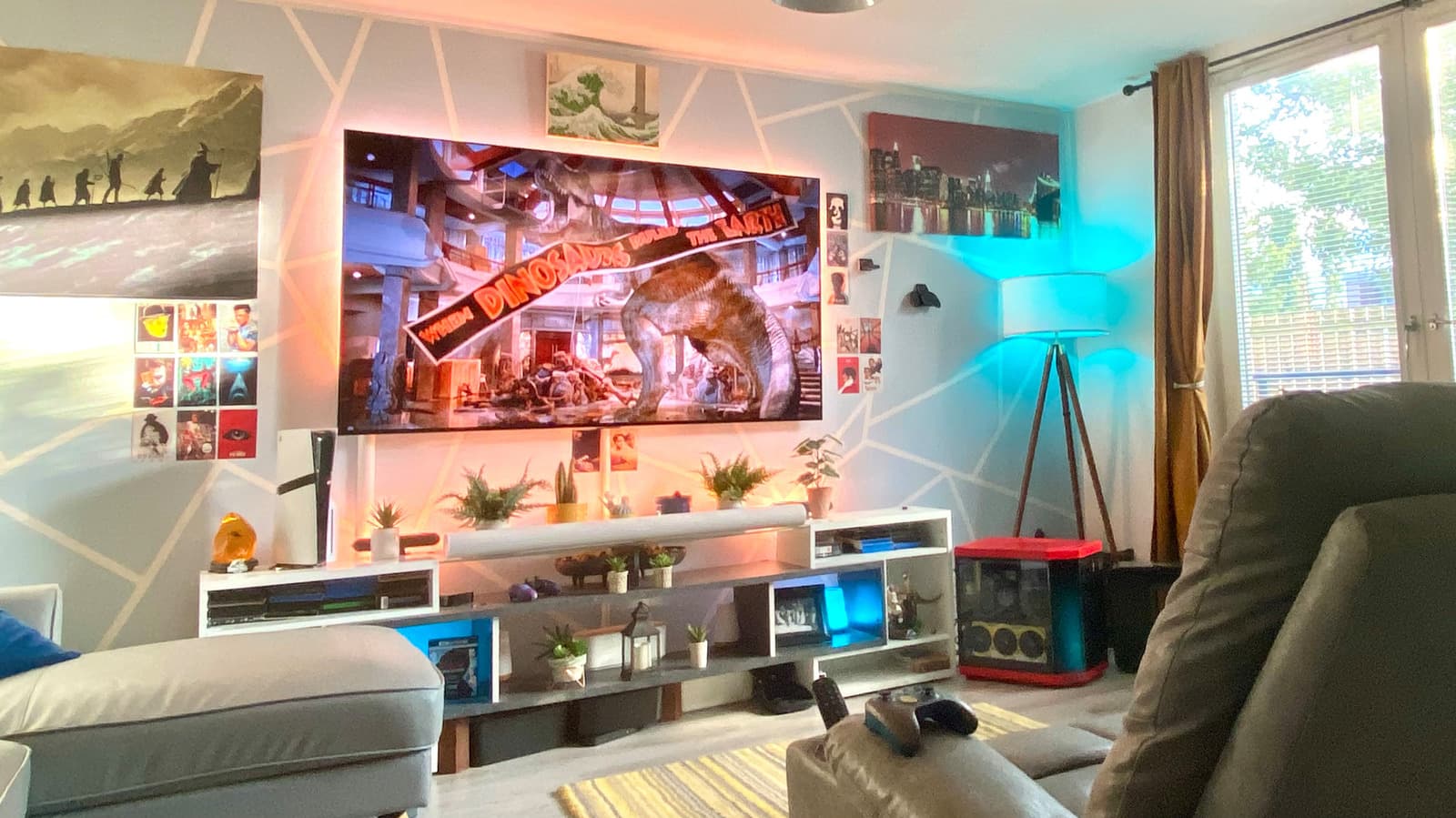
KEY HIGHLIGHTS
- The 30-degree rule suggests sitting 7.5 feet away from a 55-inch TV for an immersive experience.
- The 40-degree rule recommends a 6.5-foot distance for 65-inch TVs to simulate a cinema-like experience.
- SMPTE advises sitting 1.6 times the diagonal size of your TV for optimal viewing.
- 65-inch 4K TVs are available for less than $600 on platforms like Amazon.
- Prolonged close viewing can cause eye strain and dryness.
- 55-inch and 65-inch TVs are the most popular sizes in North America.
Guidelines for optimal TV size and viewing distance
Engadget reports that there is no universal "right" TV size, but room dimensions should guide the decision. Common guidelines, such as the 30-degree and 40-degree rules, help determine the ideal screen size based on how much of the viewer’s field of vision the TV should occupy.
The 30-degree rule suggests that a screen should fill 30 degrees of your field of view. For a 55-inch TV, this translates to sitting about 7.5 feet away. This rule balances immersion without causing discomfort for most viewers.
The 40-degree rule is designed for a more cinema-like experience, recommending a 6.5-foot distance for a 65-inch TV. This guideline is ideal for those who prioritize a larger, more engaging viewing experience.
The Society of Motion Picture and Television Engineers (SMPTE) recommends sitting roughly 1.6 times the diagonal size of the TV. For example, a 65-inch TV would require an 8.8-foot viewing distance, while a 75-inch TV would need over 10 feet.
Eye strain and affordability
Sitting too close to a TV for extended periods can lead to eye strain and dryness. While modern TVs are designed to minimize flicker and blue light, prolonged close viewing may still cause discomfort, particularly in smaller rooms.
Affordability is no longer a barrier to larger screens. Engadget notes that 65-inch 4K TVs are now available for less than $600 on platforms like Amazon, reflecting advancements in manufacturing efficiency and economies of scale.
Despite the availability of larger sizes, 55-inch and 65-inch TVs remain the most popular choices in North America, likely due to their versatility for average-sized living rooms.
Practical considerations for TV placement
Engadget highlights that a TV can safely be larger than its stand, provided the stand is stable and the TV fits entirely on it. This flexibility allows for better customization based on room layout and furniture constraints.
Other factors, such as ambient light, room shape, and seating arrangement, also play a role in selecting the right TV size. For instance, brighter rooms may benefit from larger screens to compensate for glare, while smaller spaces may require careful placement to avoid overwhelming the viewer.
What this means
Lazyfounder analysis — our interpretation, not reported fact.
For founders and operators in the consumer electronics or home entertainment space, these guidelines underscore the importance of educating customers about the trade-offs between TV size, viewing distance, and room dynamics. While larger screens are becoming more accessible, the popularity of 55-inch and 65-inch TVs suggests that most consumers still prioritize a balance between immersion and practicality. This trend could inform product positioning, bundling strategies (e.g., TV stands, sound systems), or even software features like adaptive brightness or eye-strain reduction modes.
Related on Lazyfounder
Sources
- Engadget · 2026-11-01
Here's How To Know If Your TV Is Too Big For Any Room
This story is an original summary drafted with AI by Lazyfounder from the reporting listed above and checked by automated validation. Facts are attributed to their original publishers; sections marked as analysis are Lazyfounder's. Where a source is in another language, facts were machine-translated and quotations are reported, not reproduced. Read the original coverage via the links, and see our AI policy and corrections policy.

About the author
Editor, Lazyfounder
Tarun Mottlia edits LazyFounders, covering Indian startups, funding rounds, AI and product launches. Every story on the site is AI-assisted and checked against its cited sources before publication.
More stories by Tarun MottliaGet the LazyFounder Brief
Startup, funding and AI news in a five-minute read. Join the early-access list.
