
Google’s 2026 Chromebook and Googlebook lineup balances budget and premium segments
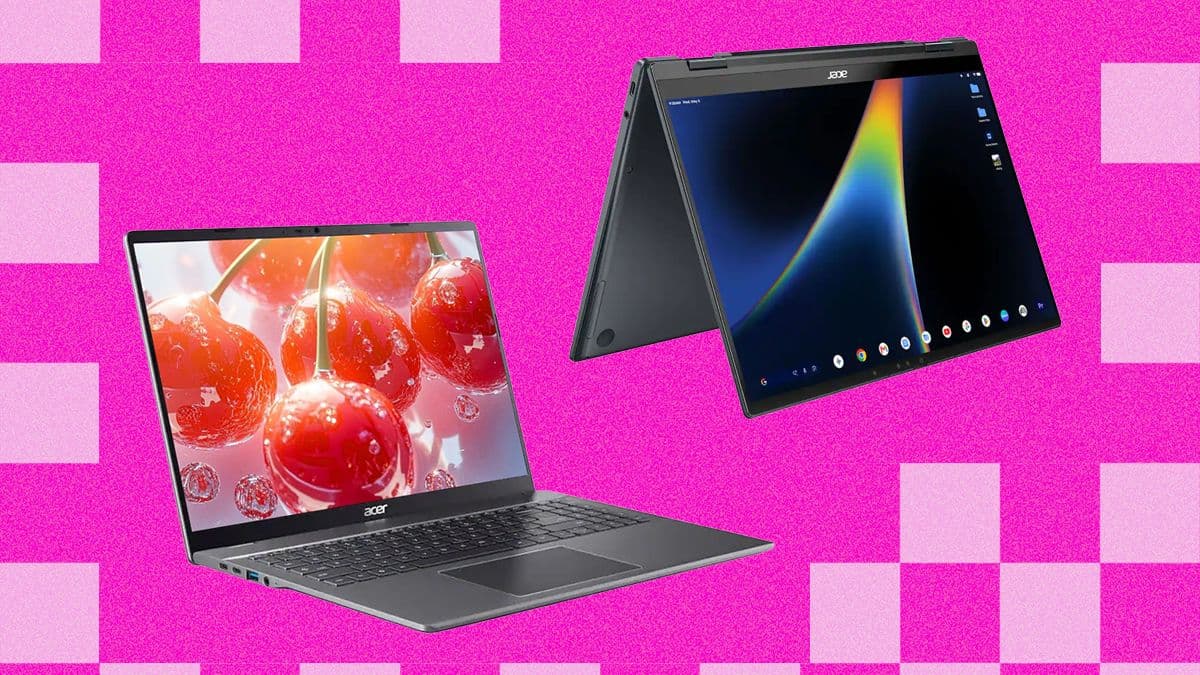
Google’s 2026 lineup of Chromebooks and Googlebooks highlights distinct approaches: affordable, functional devices for budget buyers and premium, high-spec models for Android-Pixel users. While Chromebooks like the Acer Chromebook Plus 516 offer strong value, Googlebooks prioritize seamless integration with Android and high-end hardware—though battery life remains a weakness across both categories.

Editor, Lazyfounder
30 SEC SUMMARY
- Google’s 2026 Chromebook and Googlebook lineup targets budget and premium segments with distinct trade-offs.
- Acer Chromebook Plus 516 offers strong value at under $500, while Googlebooks prioritize Android integration and high-end specs.
- Battery life remains a weakness for both Chromebooks and Googlebooks compared to Windows laptops.
TABLE OF CONTENTS
KEY HIGHLIGHTS
- Acer Chromebook Plus 516 offers Intel Core i3, 8 GB RAM, and 128 GB storage for under $500, often dropping to $350 on sale.
- Asus Chromebook CX14 and CX15 can be found for as low as $130 but lack premium features like higher RAM or powerful processors.
- Googlebooks run a custom Android-based OS, enabling seamless integration with Android devices, especially Google Pixel.
- First-generation Googlebooks feature 16 GB RAM and 512 GB storage, aligning with high-end Windows laptops or MacBook Air.
- Battery life for both Chromebooks and Googlebooks trails behind Windows laptops using Snapdragon X Elite chips.
- Google plans to allow future upgrades from Chromebook to Googlebook OS, though details remain unclear.
Chromebooks: Budget options with performance trade-offs
According to WIRED, Chromebooks continue to serve as budget-friendly alternatives to traditional PCs and Macs. The Acer Chromebook Plus 516 is highlighted for its balance of price and performance, featuring an Intel Core i3 processor, 8 GB of RAM, and 128 GB of storage. It typically retails for under $500 and can drop to $350 during promotions, making it a strong contender for cost-conscious buyers.
For those seeking even lower prices, the Asus Chromebook CX14 and CX15 can be found for as little as $130. However, these models are not part of the "Chromebook Plus" lineup and may include lower RAM, storage, and less powerful processors. WIRED favors the CX14 over the CX15 due to its centered touchpad and absence of a number pad, which enhances usability.
WIRED also cautions against ultra-cheap Chromebooks priced around $100. These models often suffer from poor battery life, outdated designs, and weak performance, making them unsuitable for long-term use.
Googlebooks: Premium pricing and Android ecosystem integration
Googlebooks run a custom Android-based operating system called Googlebook OS, which functions more like Chrome OS than the version used on smartphones. This allows native support for Google Play Android apps, delivering better performance than Chromebooks. The integration with Android devices—particularly Google Pixel—is a standout feature, catering to users already invested in Google’s ecosystem.
First-generation Googlebooks are positioned as premium devices, with all models featuring 16 GB of RAM and 512 GB of storage—specs comparable to high-end Windows laptops or the MacBook Air. However, these capabilities come at a premium price.
Among the available options, the Acer Googlebook 14 is recommended as the best overall choice. It offers a lower price point relative to other Googlebooks and includes an OLED display with high resolution and refresh rate. The Dell XPS Googlebook is also praised for its portability, battery life, and high-end design, though it shares the same chassis as the latest Dell XPS 13 and lacks a headphone jack.
Battery life and future OS upgrades
Despite their strengths, both Chromebooks and Googlebooks fall short in battery life when compared to Windows laptops powered by Qualcomm’s Snapdragon X Elite chips. WIRED notes that Chromebooks have struggled with battery performance in recent years, and even the latest Googlebooks do not bridge this gap.
Google has signaled plans to allow some Chromebooks to upgrade to Googlebook OS in the future, though no specific timeline or details have been provided. This potential shift could reduce the distinction between the two categories, offering users more flexibility but also complicating purchasing decisions.
A high-end Chromebook option
For users seeking a premium Chromebook alternative, the Acer Chromebook Plus Spin 514 stands out. It combines efficient performance, thanks to its MediaTek processor, with high-quality hardware, positioning it as a middle ground between budget Chromebooks and pricier Googlebooks.
What this means
Lazyfounder analysis — our interpretation, not reported fact.
Google’s 2026 hardware strategy reflects a deliberate segmentation of its laptop offerings. Chromebooks cater to cost-sensitive markets like education, startups, or enterprises needing affordable, functional devices. Meanwhile, Googlebooks target users deeply embedded in the Android-Pixel ecosystem, competing with high-end Windows laptops and MacBooks on specs but not battery life.
For founders and operators, this distinction matters in two ways. First, the Chromebook market remains a viable entry point for businesses or products targeting budget-conscious users, particularly in sectors like edtech or remote work tools. Second, the introduction of Googlebooks—with their seamless Android integration—signals Google’s intent to deepen its ecosystem lock-in. This could influence decisions around app development, enterprise solutions, or partnerships, especially for companies already invested in Google’s software stack.
The promise of future upgrades from Chromebook to Googlebook OS adds a layer of uncertainty. If Google follows through, it could unify its laptop lineup, potentially reshaping competition in the consumer and enterprise laptop markets. For now, the trade-offs between price, performance, and battery life mean buyers must still align their choices with specific use cases.
Key takeaways
- Chromebooks like the Acer Chromebook Plus 516 remain a strong option for budget-conscious buyers, balancing performance and affordability.
- Googlebooks target premium users with high-end specs and Android-Pixel integration, but battery life lags behind Windows alternatives.
- Future upgrades from Chromebook to Googlebook OS could blur category lines, requiring buyers to evaluate long-term flexibility.
Sources
- WIRED · 2026-04-22
Best Chromebooks and Googlebooks (2026): Laptops With a Google Touch
This story is an original summary drafted with AI by Lazyfounder from the reporting listed above and checked by automated validation. Facts are attributed to their original publishers; sections marked as analysis are Lazyfounder's. Where a source is in another language, facts were machine-translated and quotations are reported, not reproduced. Read the original coverage via the links, and see our AI policy and corrections policy.

About the author
Editor, Lazyfounder
Tarun Mottlia edits LazyFounders, covering Indian startups, funding rounds, AI and product launches. Every story on the site is AI-assisted and checked against its cited sources before publication.
More stories by Tarun MottliaGet the LazyFounder Brief
Startup, funding and AI news in a five-minute read. Join the early-access list.
