
Fujifilm to quintuple magnetic tape production capacity by 2028 amid AI-driven storage demand
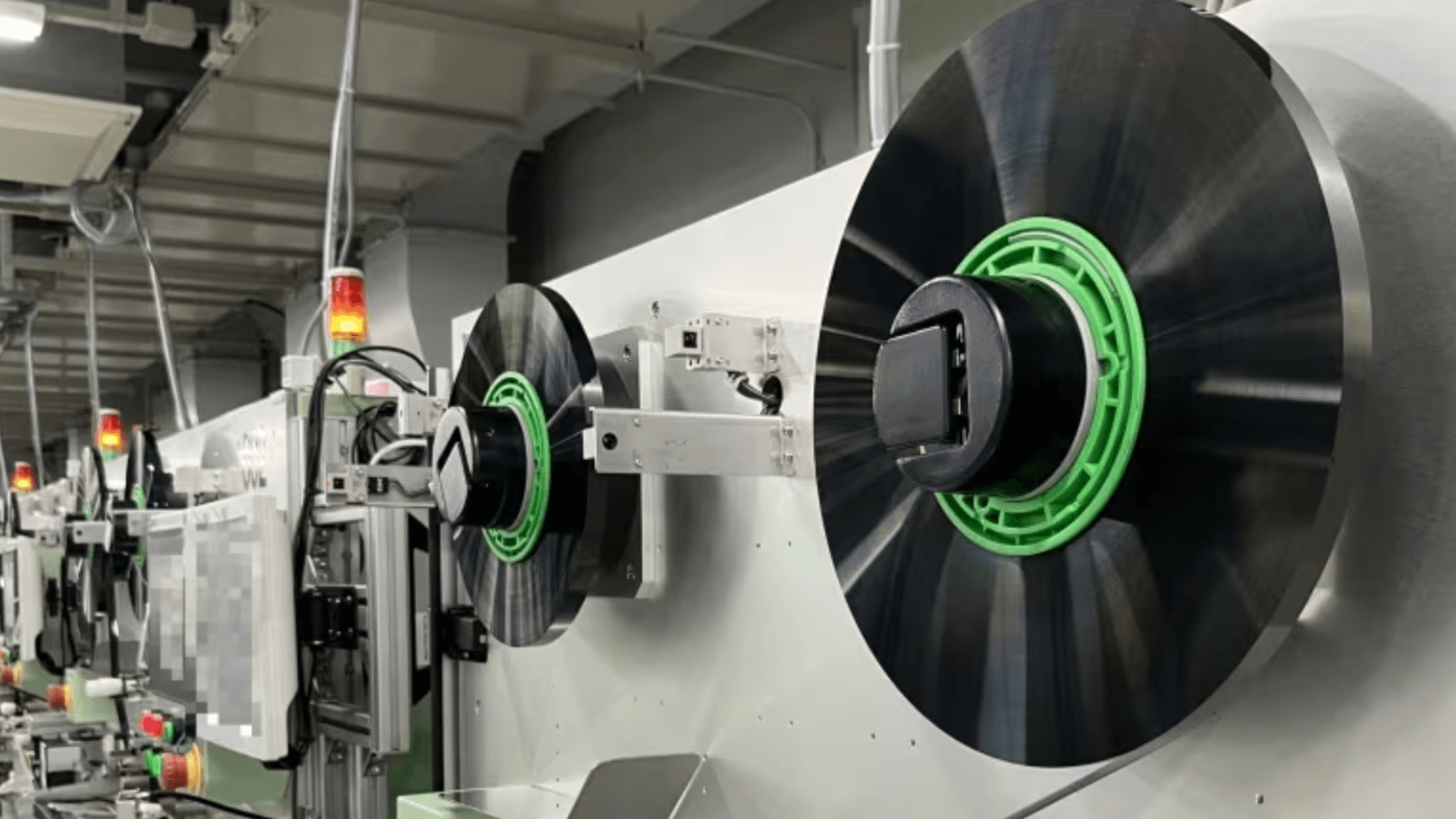
Fujifilm has announced plans to quintuple its magnetic tape production capacity by fiscal 2028, responding to escalating global demand for cost-effective, long-term data storage solutions. The company will invest ¥10 billion ($63.3 million) to expand its Odawara plant near Tokyo, focusing on advanced cartridges capable of storing up to 100TB. The move aligns with broader industry trends as AI adoption drives unprecedented data generation.

Editor, Lazyfounder
30 SEC SUMMARY
- Fujifilm will increase magnetic tape production capacity fivefold by fiscal 2028, investing ¥10 billion ($63.3 million) to expand its Odawara plant near Tokyo.
- The expansion targets advanced cartridges capable of storing up to 100TB, addressing surging data storage demand driven by AI.
- Magnetic tape storage costs about 1 cent per GB, far cheaper than HDDs (3–3.5 cents per GB), and offers offline cybersecurity benefits.
- Japanese firms like Kioxia, Toshiba, and Hoya are also expanding storage technologies, including SSDs, HDDs, and tape, amid semiconductor shortages.
TABLE OF CONTENTS
Expansion plans and investment
Fujifilm will increase its magnetic tape production capacity fivefold by fiscal 2028, marking its largest investment in the technology in nearly 20 years. The company is allocating ¥10 billion ($63.3 million) to expand its Odawara plant near Tokyo, with production focused on advanced cartridges capable of storing up to 100TB. The move follows a reported 94.7% of organisations increasing data storage volumes after adopting AI technologies, according to an IDC survey.
The expansion reflects magnetic tape’s renewed relevance in modern data storage. While often associated with legacy systems, magnetic tape offers cost and security advantages, including offline storage that mitigates cybersecurity risks. Fujifilm’s investment underscores its long-term commitment to the technology, which it has developed since 1954 for broadcasting and data storage applications.
Cost and security advantages
Magnetic tape storage costs approximately 1 cent per GB, significantly cheaper than HDDs, which range from 3 to 3.5 cents per GB. Storing 100TB of data on tape costs around $1,000, compared to $3,000 to $3,500 for HDDs, offering potential savings of 67–71% for organisations. This cost efficiency is critical as global data generation is projected to reach 718 zettabytes by 2030—four times the 2024 volume.
Beyond cost, magnetic tape provides cybersecurity benefits by keeping data offline and disconnected from networks. This makes it an attractive option for sectors like finance, research, and data centres, where long-term storage and protection against cyber threats are priorities. The technology’s durability and low energy requirements further enhance its appeal for archival purposes.
Broader industry shifts in storage technology
Fujifilm’s expansion coincides with significant investments in other storage technologies by Japanese companies. Kioxia and Sandisk plan to invest ¥5 trillion ($37 billion) over six years to expand semiconductor memory production, while Toshiba is spending ¥60 billion ($380 million) to double HDD manufacturing capacity at its Philippine plant. Hoya is also investing ¥50 billion ($317 million) in Vietnam to produce glass substrates for hard drives.
These moves reflect broader industry responses to semiconductor shortages, which have increased SSD prices and strained HDD supplies. The simultaneous expansion across SSDs, HDDs, and magnetic tape highlights a diversified approach to meeting AI-driven storage demand. Brad Johns Consulting notes that while newer technologies dominate headlines, magnetic tape remains a critical component of cost-effective, large-scale data infrastructure.
AI-driven data growth reshapes storage demands
The surge in AI adoption is a key driver of global data storage needs. IDC estimates that 94.7% of organisations have increased their data storage volumes after integrating AI technologies. With global data generation projected to quadruple by 2030, reaching 718 zettabytes, scalable and cost-effective storage solutions are becoming essential.
Magnetic tape’s advantages—low cost, offline security, and high capacity—position it as a complementary technology to SSDs and HDDs. While SSDs and HDDs dominate short-term and high-performance storage, tape is increasingly favoured for long-term archival and backup purposes, particularly in industries handling sensitive or regulatory data.
What this means
Lazyfounder analysis — our interpretation, not reported fact.
Fujifilm’s decision to quintuple magnetic tape production capacity signals a strategic bet on the technology’s role in the AI era. For founders and operators in data-heavy sectors—such as cloud computing, finance, and research—the expansion highlights magnetic tape as a viable alternative to traditional storage solutions. Its cost efficiency and offline security could make it particularly attractive for startups and enterprises prioritising long-term data retention without incurring high infrastructure costs.
The broader trend of Japanese firms diversifying storage investments—across SSDs, HDDs, and tape—also underscores the need for adaptable data strategies. As AI adoption accelerates, operators may need to reassess their storage architectures to balance performance, cost, and security. Fujifilm’s move suggests that tape, often overlooked in favour of flashier technologies, remains a critical tool for scalable and resilient data infrastructure.
Key takeaways
- Fujifilm’s fivefold increase in magnetic tape production by 2028 reflects growing demand for cost-effective, high-capacity storage solutions driven by AI and data growth.
- Magnetic tape offers significant cost savings (1 cent per GB vs. 3–3.5 cents for HDDs) and offline cybersecurity benefits, making it ideal for long-term archival and backup.
- Japanese companies like Toshiba, Kioxia, and Hoya are simultaneously expanding SSD, HDD, and tape production, signalling a diversified approach to storage infrastructure amid semiconductor shortages.
- For startups and enterprises, magnetic tape presents an opportunity to reduce storage costs while addressing cybersecurity concerns, particularly in sectors handling sensitive or regulatory data.
Related on Lazyfounder
Sources
- TechRadar · 2026-10-30
Magnetic tape storage is seeing a second lease of life thanks to AI — and now its largest manufacturer is planning a huge ramp-up in production
This story is an original summary drafted with AI by Lazyfounder from the reporting listed above and checked by automated validation. Facts are attributed to their original publishers; sections marked as analysis are Lazyfounder's. Where a source is in another language, facts were machine-translated and quotations are reported, not reproduced. Read the original coverage via the links, and see our AI policy and corrections policy.

About the author
Editor, Lazyfounder
Tarun Mottlia edits LazyFounders, covering Indian startups, funding rounds, AI and product launches. Every story on the site is AI-assisted and checked against its cited sources before publication.
More stories by Tarun MottliaGet the LazyFounder Brief
Startup, funding and AI news in a five-minute read. Join the early-access list.
