
Toshiba expands HDD production to meet AI-driven storage demand
Toshiba is investing $380 million to expand its HDD production capacity in the Philippines, aiming to capitalize on the growing demand for cost-effective data storage driven by AI and cloud computing. The company expects to nearly double its capacity for AI and cloud storage HDDs by fiscal 2027 and introduce higher-capacity drives.

Editor, Lazyfounder
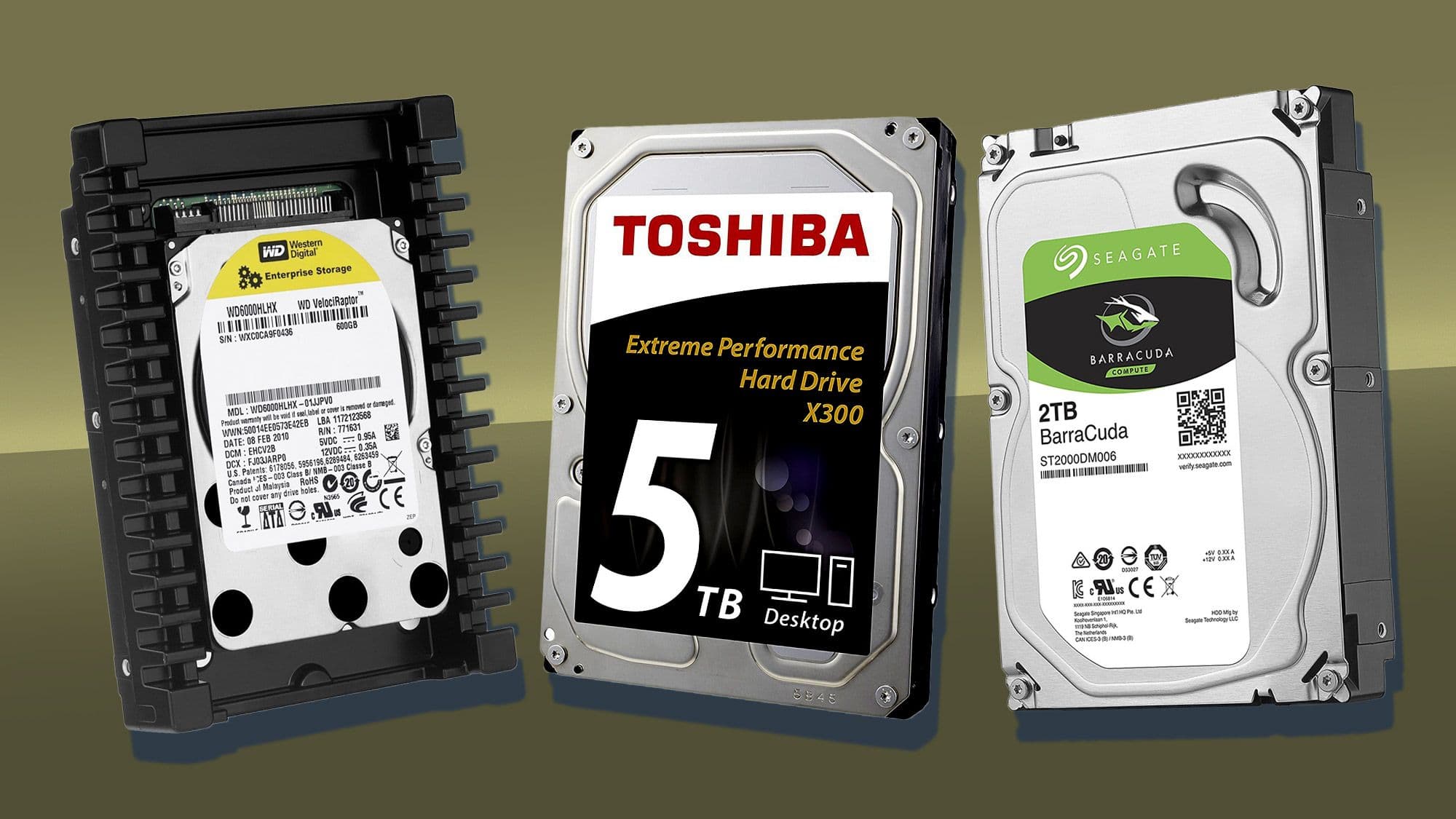
Toshiba is investing $380 million to expand its HDD production capacity in the Philippines, aiming to capitalize on the growing demand for cost-effective data storage driven by AI and cloud computing. The company expects to nearly double its capacity for AI and cloud storage HDDs by fiscal 2027 and introduce higher-capacity drives.
30 SEC SUMMARY
- Toshiba is investing $380 million to expand HDD production capacity in the Philippines, targeting AI and cloud storage demand.
- The company aims to nearly double its AI and cloud storage HDD capacity by fiscal 2027.
- Toshiba plans to introduce higher-capacity HDDs, including 65TB-class drives by 2030 and 100TB-class drives later.
- HDDs remain cost-effective for data centers, with SSDs being about 20 times more expensive per unit of storage.
- Toshiba aims to increase its HDD market share to 30%, leveraging automation to reduce staffing needs and improve yields.
TABLE OF CONTENTS
- Toshiba’s $380M bet on AI-driven HDD demand
- Higher-capacity drives and market share goals
- Industry-wide investments in HDD technology
- What this means
- Key takeaways
- FAQ
- Sources
KEY HIGHLIGHTS
- Toshiba is investing $380 million to expand HDD production capacity in the Philippines.
- The company aims to nearly double its AI and cloud storage HDD capacity by fiscal 2027.
- Toshiba plans to introduce 65TB-class HDDs by 2030 and 100TB-class drives later.
- HDDs remain significantly cheaper than SSDs, making them ideal for large-scale data center storage.
- Toshiba’s automation plans could reduce staffing needs by 40% and improve manufacturing yields.
Toshiba’s $380M bet on AI-driven HDD demand
Toshiba is investing $380 million to expand its hard disk drive (HDD) production capacity in the Philippines. According to TechRadar, the expansion aims to meet surging demand for storage driven by AI and cloud computing. The company expects its production capacity for AI and cloud storage HDDs to nearly double by fiscal 2027.
The investment reflects a broader trend: while solid-state drives (SSDs) have dominated consumer markets, HDDs remain critical for data centers. HDDs offer significantly lower costs per terabyte—roughly 20 times cheaper than SSDs—making them ideal for storing large datasets generated by AI systems.
Higher-capacity drives and market share goals
Toshiba’s expansion includes plans to introduce higher-capacity HDDs. The company aims to deliver drives with a 40% increase in storage capacity per unit. By 2030, Toshiba targets 65TB-class HDDs, with ambitions to reach 100TB-class drives in the years following.
With over 10% of the global HDD market by storage capacity, Toshiba is now setting its sights on a 30% share. The company plans to achieve this through automation, reducing staffing requirements by 40% and improving manufacturing yields. These moves come as competitors like Seagate and Western Digital have already committed most of their production capacity through 2028.
Industry-wide investments in HDD technology
Toshiba is not alone in betting on HDD demand. Nitto Denko, a Japanese supplier controlling over 90% of the global market for components used in HDD magnetic-head suspension assemblies, is investing $117 million to expand its CISFLEX production. The company expects a 40% increase in capacity by fiscal 2028.
Western Digital is also making significant investments in Japan. The company plans to spend approximately $1 billion through 2030 on research, manufacturing technology, recruitment, and partnerships with universities.
What this means
Lazyfounder analysis — our interpretation, not reported fact.
Toshiba’s expansion is a clear signal that HDDs are far from obsolete. While SSDs dominate consumer devices and high-performance computing, the sheer volume of data generated by AI and cloud applications demands cost-effective, high-capacity storage—exactly what HDDs offer. This move also highlights a strategic gap in the market: Seagate and Western Digital have already locked in much of their capacity through 2028, giving Toshiba an opportunity to capture share by scaling quickly.
For founders and operators in the data storage or AI space, this development underscores the importance of balancing performance with cost. While SSDs are faster, the economics of HDDs make them indispensable for large-scale deployments. Toshiba’s focus on automation and higher-capacity drives suggests a long-term commitment to efficiency, which could reshape pricing dynamics in the industry. If successful, this strategy could pressure competitors to accelerate their own innovations or risk losing ground.
Key takeaways
- Toshiba’s $380 million investment in the Philippines reflects growing demand for cost-effective data storage driven by AI.
- AI and cloud storage needs are reviving HDD demand, despite the long-term shift toward SSDs.
- Competitors like Seagate and Western Digital have already committed most of their HDD capacity through 2028 and beyond.
- Automation and higher-capacity drives are key to Toshiba’s strategy to capture 30% of the HDD market.
- Nitto Denko is expanding its production of components critical to HDD manufacturing.
FAQ
Why is Toshiba expanding HDD production instead of focusing on SSDs?
HDDs remain significantly cheaper per terabyte than SSDs, making them the preferred choice for data centers that need to store massive amounts of data cost-effectively. AI and cloud applications generate enormous datasets, and HDDs are better suited to meet this demand at scale.
How does Toshiba’s expansion compare to its competitors?
Seagate and Western Digital have already committed most of their HDD production capacity through 2028 and beyond. Toshiba’s expansion allows it to capture market share by filling the gap in supply, particularly for AI and cloud storage needs.
What role does automation play in Toshiba’s strategy?
Toshiba plans to automate inspection and cleanroom operations, which could reduce staffing needs by 40% and improve manufacturing yields. This focus on efficiency is critical to achieving its goal of increasing market share to 30%.
Related on Lazyfounder
Sources
- TechRadar · 2026-10-08
Hard drives were supposed to lose the storage war — but AI demand is now pushing their biggest suppliers years ahead
This story is an original summary drafted with AI by Lazyfounder from the reporting listed above and checked by automated validation. Facts are attributed to their original publishers; sections marked as analysis are Lazyfounder's. Where a source is in another language, facts were machine-translated and quotations are reported, not reproduced. Read the original coverage via the links, and see our AI policy and corrections policy.

About the author
Editor, Lazyfounder
Tarun Mottlia edits LazyFounders, covering Indian startups, funding rounds, AI and product launches. Every story on the site is AI-assisted and checked against its cited sources before publication.
More stories by Tarun MottliaGet the LazyFounder Brief
Startup, funding and AI news in a five-minute read. Join the early-access list.
