
FTC Approves Publicis’ $2.2bn LiveRamp Deal With Conditions to Protect Rivals
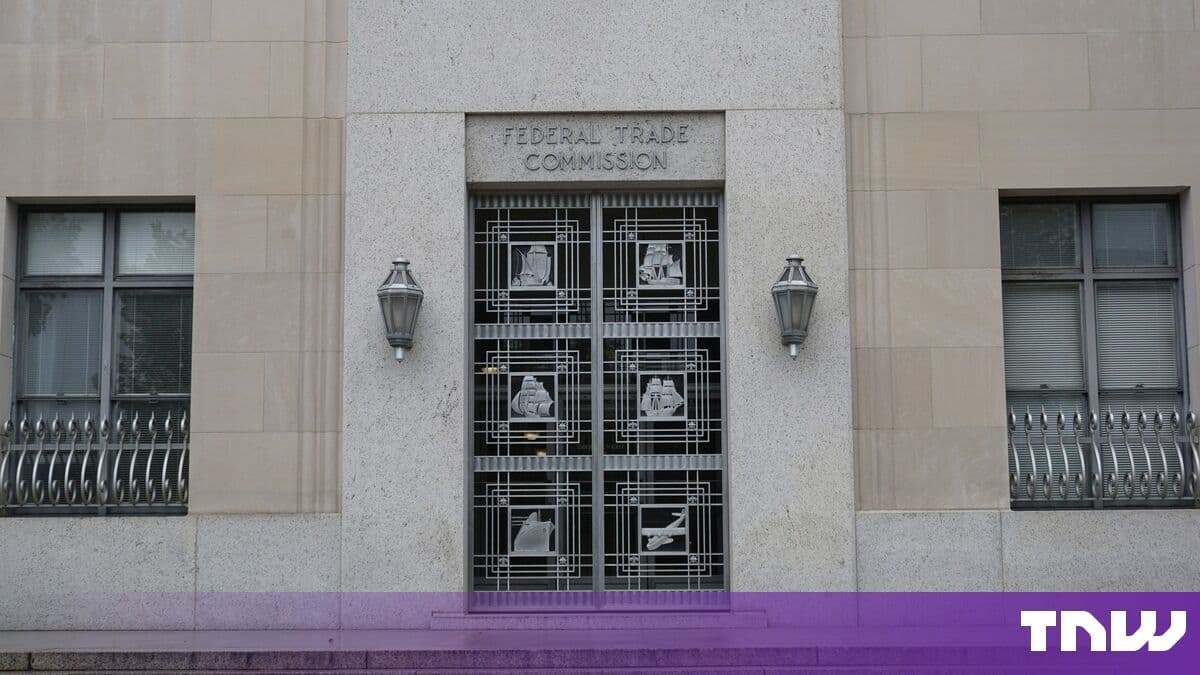
The US Federal Trade Commission (FTC) has approved Publicis Groupe’s $2.2 billion acquisition of LiveRamp, imposing conditions to prevent anticompetitive behavior in digital advertising. The deal requires Publicis to ensure equal access to LiveRamp’s data connectivity services for all customers, including rivals, for five years.

Editor, Lazyfounder
30 SEC SUMMARY
- The US Federal Trade Commission (FTC) has approved Publicis Groupe’s $2.2bn acquisition of LiveRamp under conditions to prevent anticompetitive behavior.
- Publicis must ensure equal access to LiveRamp’s data connectivity services for all customers, including rivals, for five years.
- The FTC’s consent order includes mandatory audits and firewalls to protect rivals’ data from misuse.
- LiveRamp’s shares rose 2.4% following the FTC’s announcement, despite challenges like Apple blocking its tools in Safari.
TABLE OF CONTENTS
KEY HIGHLIGHTS
- The FTC approved Publicis Groupe’s $2.2bn acquisition of LiveRamp, contingent on equal access to data services for rivals.
- Publicis must provide non-discriminatory access to LiveRamp’s services and build firewalls to protect rivals’ data for five years.
- The FTC alleged the deal could weaken competition in media agency and audience data services, violating the Clayton Act.
- LiveRamp shares rose 2.4% after the announcement, though Apple’s Safari blocks its identity tools, limiting its reach on iPhones.
FTC’s conditions for the acquisition
The FTC approved Publicis Groupe’s $2.2 billion acquisition of LiveRamp, but only under a consent order requiring Publicis to provide equal access to LiveRamp’s data connectivity services for all customers, including its rivals. According to The Next Web, the order prohibits Publicis from denying, degrading, delaying, or impairing access to these services.
Publicis must also build firewalls to prevent it from accessing or using competitors’ client data processed through LiveRamp. The consent order binds both companies for five years, with mandatory audits to ensure compliance. An independent auditor will review compliance every six months for the first two years, followed by annual audits for the remaining three years.
Any LiveRamp customer can request an audit of how Publicis handles their data, and disputes unresolved within 30 days will go to third-party mediation. The FTC’s complaint alleged the merger could weaken competition in media agency and audience data services, potentially violating Section 7 of the Clayton Act.
Market reaction and challenges
LiveRamp’s shares rose 2.4% following the FTC’s announcement, reflecting investor confidence in the deal’s approval. However, challenges remain, particularly from Apple’s decision to block identity tools like LiveRamp’s in Safari. According to The Next Web, LiveRamp’s domains are among those blocked by Apple, alongside competitors like The Trade Desk and ID5.
This move is part of Apple’s broader effort to tighten privacy controls in Safari, which could limit LiveRamp’s reach on iPhones. The shrinking accessibility of LiveRamp’s tools on Apple devices raises questions about the long-term viability of its business model in a privacy-focused ecosystem.
Regulatory context and industry trends
The FTC’s approval of the Publicis-LiveRamp deal follows a pattern of behavioral remedies rather than divestitures in merger cases. The consent order was accepted for public comment in a 2-0 vote by the FTC’s Republican commissioners, with the public having 30 days to weigh in before the order is finalized.
This approach contrasts with recent high-profile antitrust actions, such as the FTC’s lawsuit against Amazon over ad auction pricing. The decision also arrives amid a wave of consolidation in digital advertising, including Nielsen’s $2.15 billion acquisition of DoubleVerify in August.
What this means
Lazyfounder analysis — our interpretation, not reported fact.
The FTC’s conditions for the Publicis-LiveRamp deal signal a growing trend: regulators are increasingly willing to impose behavioral remedies to preserve competition in data-driven industries. For founders and operators, this means mergers involving critical infrastructure—like data connectivity or ad tech—will face heightened scrutiny. Compliance costs, including audits and firewalls, could become a standard part of post-merger integration.
The challenges LiveRamp faces from Apple’s privacy policies also underscore the risks of building a business reliant on third-party platforms. Founders in digital advertising and data services must diversify their tech stacks and anticipate regulatory shifts that could disrupt their core operations.
Key takeaways
- Antitrust conditions like equal access and firewalls are becoming a standard expectation for mergers in data-driven industries.
- Founders must anticipate regulatory scrutiny when acquiring critical infrastructure, especially in digital advertising.
- Operators should prepare for compliance audits and third-party mediation as part of merger remedies.
- Apple’s privacy policies continue to disrupt data-dependent businesses, signaling risks for similar startups.
Related on Lazyfounder
Sources
- The Next Web · 2026-10-20
FTC clears Publicis’ $2.2bn LiveRamp deal if rivals keep equal access
This story is an original summary drafted with AI by Lazyfounder from the reporting listed above and checked by automated validation. Facts are attributed to their original publishers; sections marked as analysis are Lazyfounder's. Where a source is in another language, facts were machine-translated and quotations are reported, not reproduced. Read the original coverage via the links, and see our AI policy and corrections policy.

About the author
Editor, Lazyfounder
Tarun Mottlia edits LazyFounders, covering Indian startups, funding rounds, AI and product launches. Every story on the site is AI-assisted and checked against its cited sources before publication.
More stories by Tarun MottliaGet the LazyFounder Brief
Startup, funding and AI news in a five-minute read. Join the early-access list.
