
India to enforce SIM-binding for messaging apps from January 2027
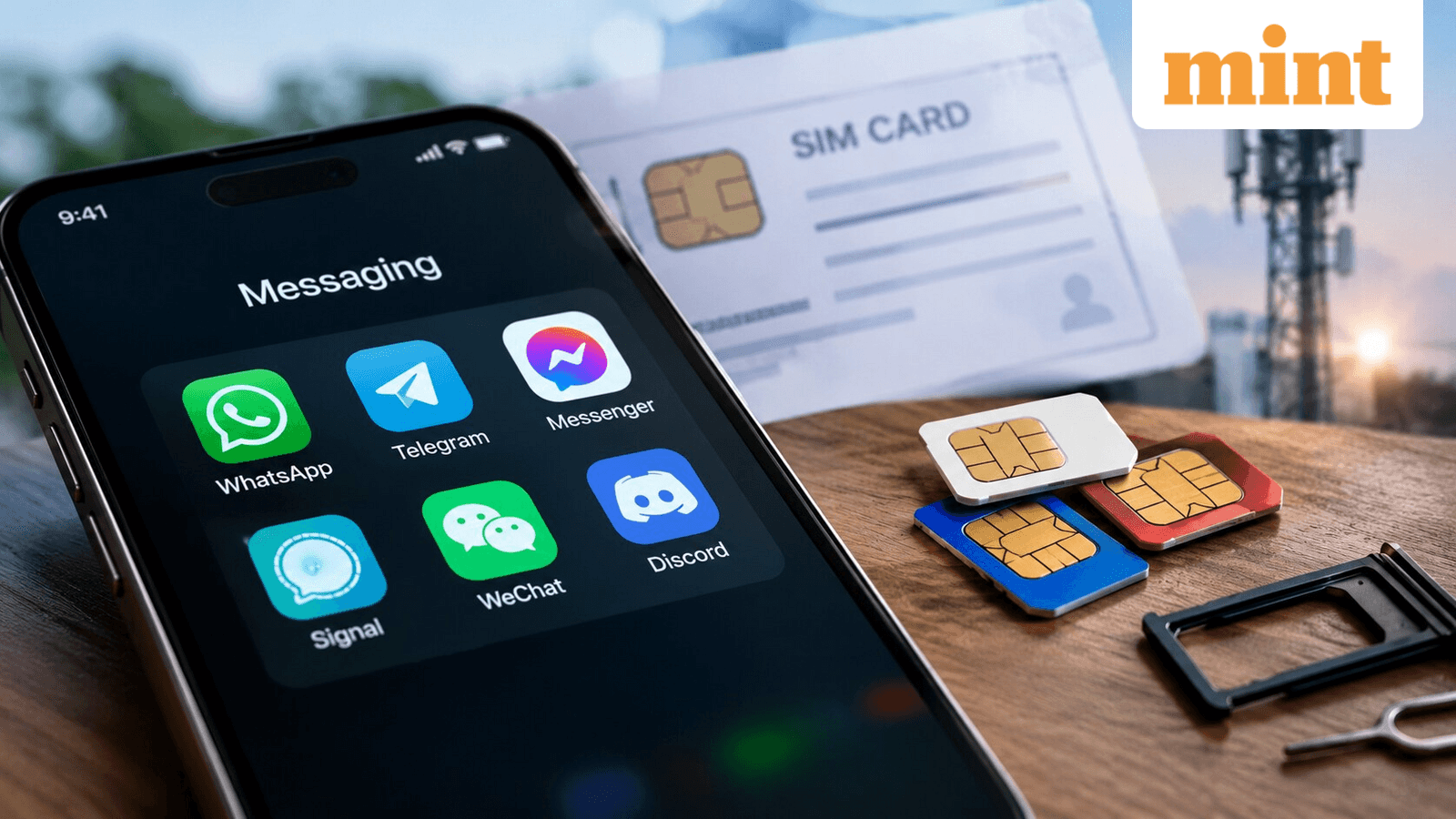
The Indian Department of Telecommunications (DoT) will enforce SIM-binding rules for messaging apps starting January 1, 2027. The rules require platforms like WhatsApp, Telegram, and Signal to link user accounts to active SIM cards used for registration, aiming to reduce cyber fraud.

Editor, Lazyfounder
30 SEC SUMMARY
- India’s DoT will implement SIM-binding rules for messaging apps from January 1, 2027.
- Apps like WhatsApp, Telegram, and Signal must integrate accounts with live SIM cards by December 31, 2026.
- The rules target cyber fraud, which caused over ₹22,800 crore in losses last year.
- Non-compliant platforms risk action under the Telecommunications Act, 2023 and Telecom Cyber Security Rules, 2024.
TABLE OF CONTENTS
KEY HIGHLIGHTS
- Deadline for compliance: Messaging apps must integrate SIM-binding by December 31, 2026.
- Affected platforms: WhatsApp, Telegram, Snapchat, Arattai, ShareChat, Josh, JioChat, and Signal.
- Impact on users: Disruptions expected for those without registered SIMs, using multiple devices, or frequently changing SIMs.
- Enforcement: Non-compliance may lead to actions under the Telecommunications Act, 2023 and Telecom Cyber Security Rules, 2024.
- Cyber fraud context: Last year’s losses exceeded ₹22,800 crore.
What the new rules require
Starting January 1, 2027, messaging apps in India must ensure user accounts are linked to the active SIM card used for registration. The Department of Telecommunications (DoT) issued guidelines on November 28, 2025, mandating compliance by December 31, 2026. The rule aims to prevent cyber fraud by ensuring accounts are tied to verified, live SIM cards installed in the user’s device.
The directive is part of the Telecom Cyber Security Rules, 2024, and applies to platforms including WhatsApp, Telegram, Snapchat, Arattai, ShareChat, Josh, JioChat, and Signal. SIM binding will require apps to verify that the SIM card associated with an account is active and physically present in the device during registration or usage.
Why the government is imposing SIM-binding
The DoT’s move targets cyber fraud, which resulted in losses of over ₹22,800 crore in India last year. Fraudsters often exploit gaps in SIM verification to impersonate users, including government officials, to conduct scams. SIM-binding ensures the SIM card is active and in the device, reducing the risk of account misuse.
The rules also aim to enhance traceability of telecom identifiers, making it harder for criminals to use unregistered or spoofed numbers. The DoT plans to launch a Mobile Number Verification (MNV) platform to verify phone numbers and confirm they belong to authentic users.
Who will be affected
The rules will impact users who access messaging apps over Wi-Fi without their registered SIM, those using multiple devices, or individuals who frequently change SIMs. Removing a registered SIM or disabling the number may disrupt access to accounts.
A survey cited by Mint suggests 80% of consumers and over 60% of small businesses expect disruptions. WhatsApp alone has an estimated 500 million users in India, making the scale of potential impact significant.
Platforms that fail to comply risk penalties under the Telecommunications Act, 2023. However, the DoT has clarified that accounts will not automatically cease to function after December 31, 2026, provided platforms take steps to meet the requirements.
Background: Earlier regulatory proposals
This policy follows earlier discussions about stricter session management for messaging apps. An initial proposal to log users out of web sessions every six hours was replaced with a risk-based logout requirement, reflecting feedback from platforms and users.
The shift to SIM-binding aligns with broader trends in digital fraud prevention, though it introduces operational challenges for platforms and users. Earlier reporting on Meta’s moderation struggles and Canada’s encryption bill highlights global tensions between security and usability in digital communication.
What this means
Lazyfounder analysis — our interpretation, not reported fact.
For founders and operators in India’s tech ecosystem, this policy signals a growing regulatory focus on cybersecurity and traceability. Messaging platforms—especially those with large user bases—will need to invest in technical and compliance infrastructure to meet the SIM-binding requirement. The timeline (December 31, 2026) provides a window for adaptation, but the impact on user experience, particularly for frequent travelers or multi-device users, could shape retention and growth strategies.
The rule also underscores the importance of balancing security with usability. While SIM-binding may reduce fraud, its implementation could alienate users who rely on flexibility, such as accessing apps via Wi-Fi without a SIM. Startups in the messaging or social media space should evaluate how this requirement might affect their product roadmap, especially if they compete with larger platforms like WhatsApp or Telegram.
Key takeaways
- Messaging platforms must prioritize technical compliance by December 31, 2026, to avoid penalties under the Telecommunications Act, 2023.
- The rules target cyber fraud but may disrupt users who rely on multi-device access or frequently change SIMs.
- India’s regulatory approach mirrors global trends, reflecting increased scrutiny of digital identity verification in messaging apps.
- Founders building on or competing with affected platforms should assess how SIM-binding could impact user adoption or retention.
Related on Lazyfounder
Sources
- Mint (Technology) · 2026-10-22
WhatsApp, Telegram SIM binding rules from January 1, 2027: Who will be affected in India?
This story is an original summary drafted with AI by Lazyfounder from the reporting listed above and checked by automated validation. Facts are attributed to their original publishers; sections marked as analysis are Lazyfounder's. Where a source is in another language, facts were machine-translated and quotations are reported, not reproduced. Read the original coverage via the links, and see our AI policy and corrections policy.

About the author
Editor, Lazyfounder
Tarun Mottlia edits LazyFounders, covering Indian startups, funding rounds, AI and product launches. Every story on the site is AI-assisted and checked against its cited sources before publication.
More stories by Tarun MottliaGet the LazyFounder Brief
Startup, funding and AI news in a five-minute read. Join the early-access list.
