
Florida county finds 11 unpermitted Flock cameras amid privacy concerns
St. Lucie County, Florida, has uncovered 11 unpermitted Flock surveillance cameras with no identified owners, raising questions about oversight and transparency. The discovery comes as state agencies, including Florida’s Department of Transportation, move to restrict the use of such devices amid growing privacy concerns.

Editor, Lazyfounder
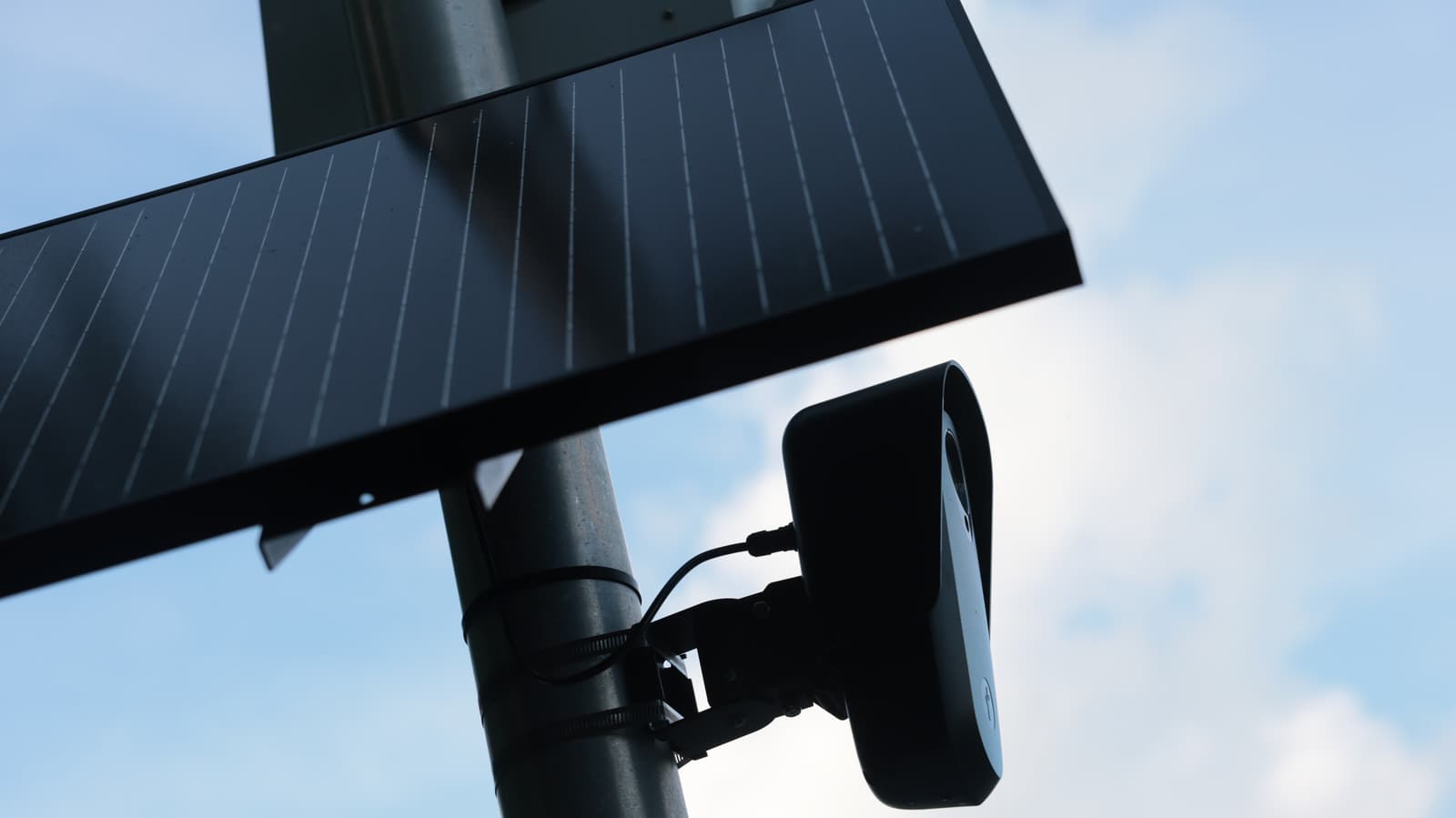
St. Lucie County, Florida, has uncovered 11 unpermitted Flock surveillance cameras with no identified owners, raising questions about oversight and transparency. The discovery comes as state agencies, including Florida’s Department of Transportation, move to restrict the use of such devices amid growing privacy concerns.
30 SEC SUMMARY
- St. Lucie County, Florida, discovered 11 unpermitted Flock surveillance cameras with no identified owners during an audit.
- The county initially believed it had 52 cameras but found 14 additional unaccounted-for devices, some claimed by the local sheriff's office.
- Florida's Department of Transportation banned Flock license plate readers from state roads due to privacy concerns.
- Over 100,000 Flock cameras are reportedly deployed across the U.S., raising broader questions about surveillance and transparency.
- Unclaimed cameras were disabled, but residents expressed concerns about unpermitted surveillance.
TABLE OF CONTENTS
- Unpermitted cameras discovered during audit
- Resident concerns and regulatory action
- Developing: what is not yet confirmed
- What this means
- Key takeaways
- FAQ
- Sources
KEY HIGHLIGHTS
- St. Lucie County officials found 11 unpermitted Flock cameras with no clear ownership during an audit.
- The county initially believed it had 52 cameras but discovered 14 additional unaccounted-for devices.
- Three unpermitted cameras were claimed by the St. Lucie County Sheriff’s Office, though no explanation was provided.
- Florida’s Department of Transportation banned Flock license plate readers from state roads.
- Over 100,000 Flock cameras are reportedly deployed across the U.S., despite privacy concerns.
Unpermitted cameras discovered during audit
St. Lucie County, Florida, officials discovered 11 unpermitted Flock surveillance cameras with no identified owners after deciding to end their use of the devices, according to Engadget. The county initially believed it had 52 cameras but later found 14 additional unpermitted devices. Of these, three were claimed by the St. Lucie County Sheriff’s Office, though the agency did not explain why the cameras lacked permits.
Resident concerns and regulatory action
The discovery of unpermitted cameras has raised concerns among residents, with reports that some community members feel unsafe or unhappy about the situation. To prevent further data collection, officials covered the unclaimed cameras with plastic bags. A reporter from The Washington Post later found that one unpermitted camera had been removed, though the responsible party remains unknown.
The controversy extends beyond the county. Florida’s Department of Transportation has banned Flock license plate readers from state roads, citing privacy and transparency concerns. Despite this, Flock’s cameras remain widely used, with over 100,000 reportedly deployed across the U.S.
Developing: what is not yet confirmed
The following is reported but has not been independently confirmed.
Some claims about the situation remain unverified. For example, it is unclear why the St. Lucie County Sheriff’s Office did not have permits for the three cameras it claimed, and no official explanation has been provided. Additionally, the total number of Flock cameras in use across the U.S. has not been independently confirmed.
What this means
Lazyfounder analysis — our interpretation, not reported fact.
This incident underscores the growing scrutiny of surveillance technology, particularly tools like Flock cameras that collect sensitive data without always clear oversight. For founders and operators in the surveillance, smart-city, or public-safety tech spaces, it’s a reminder that regulatory and public pushback can emerge quickly—even after widespread adoption. Startups in this sector should prioritize transparency, compliance, and community engagement to avoid similar fallout. The situation also signals that reliance on third-party vendors for critical infrastructure (like surveillance) requires robust auditing processes to prevent unauthorized or unpermitted deployments.
Key takeaways
- St. Lucie County found 11 unpermitted Flock cameras with no identified owners during an audit.
- The county initially reported 52 cameras but discovered 14 additional unaccounted-for devices.
- Three unpermitted cameras were claimed by the St. Lucie County Sheriff’s Office, but no explanation was given for the lack of permits.
- Florida’s Department of Transportation banned Flock license plate readers from state roads.
- Over 100,000 Flock cameras are reportedly in use across the U.S., despite privacy and transparency concerns.
FAQ
What are Flock cameras?
Flock cameras are automated license plate readers (LPRs) used to capture and store vehicle data. They are often deployed by law enforcement agencies to track vehicles of interest but have sparked privacy concerns due to their widespread use.
Why did St. Lucie County audit its Flock cameras?
The county audited its Flock cameras after deciding to end their use. During the audit, officials discovered discrepancies in the number of devices and identified 11 unpermitted cameras with no clear ownership.
What is Florida’s stance on Flock license plate readers?
Florida’s Department of Transportation has banned Flock license plate readers from state roads, reflecting broader concerns about privacy and transparency in the use of surveillance technology.
Related on Lazyfounder
Sources
- Engadget · 2026-10-01
Florida County Finds 11 Unpermitted Flock Cameras With Unidentified Owners
This story is an original summary drafted with AI by Lazyfounder from the reporting listed above and checked by automated validation. Facts are attributed to their original publishers; sections marked as analysis are Lazyfounder's. Where a source is in another language, facts were machine-translated and quotations are reported, not reproduced. Read the original coverage via the links, and see our AI policy and corrections policy.

About the author
Editor, Lazyfounder
Tarun Mottlia edits LazyFounders, covering Indian startups, funding rounds, AI and product launches. Every story on the site is AI-assisted and checked against its cited sources before publication.
More stories by Tarun MottliaGet the LazyFounder Brief
Startup, funding and AI news in a five-minute read. Join the early-access list.