
California Governor Vetoes Smart Glasses Privacy Bill Over Broad Language Concerns
California Governor Gavin Newsom has vetoed a bill that sought to prohibit secret recordings using smart glasses in private areas of businesses. The bill, SB-1130, also aimed to require recording indicators on wearables and ban technology designed to mask such indicators, but Newsom cited concerns over its broad language.

Editor, Lazyfounder
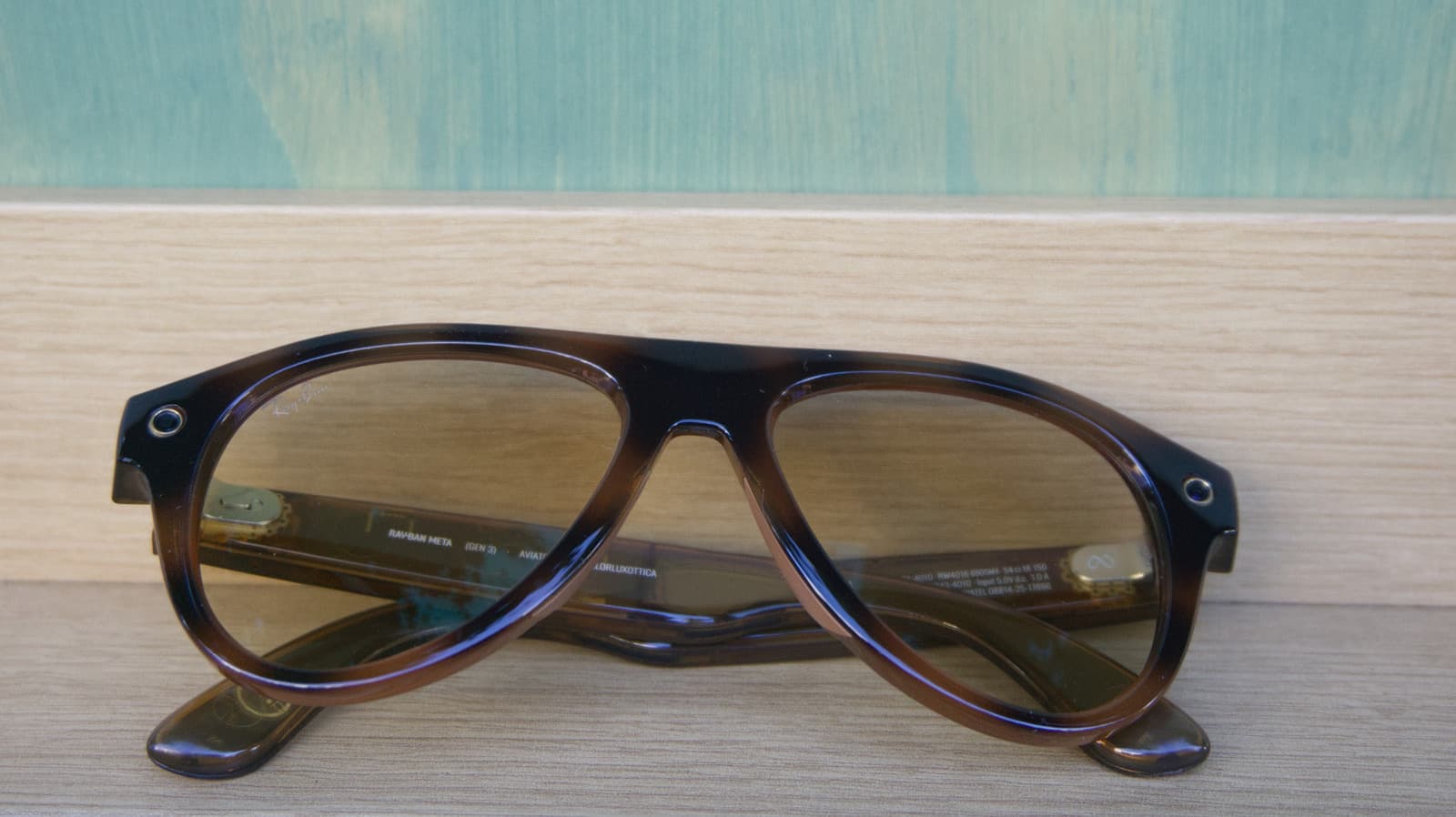
California Governor Gavin Newsom has vetoed a bill that sought to prohibit secret recordings using smart glasses in private areas of businesses. The bill, SB-1130, also aimed to require recording indicators on wearables and ban technology designed to mask such indicators, but Newsom cited concerns over its broad language.
30 SEC SUMMARY
- California Governor Gavin Newsom vetoed SB-1130, a bill targeting secret recordings by smart glasses in private business areas.
- The bill would have required wearable manufacturers to include recording indicators and banned technology masking such indicators.
- Newsom vetoed the bill due to concerns its language was too broad, potentially affecting smartwatches and other wearables.
- California already has laws prohibiting recordings in areas where individuals expect privacy.
- TechNet, a tech advocacy group, opposed the bill.
TABLE OF CONTENTS
- What the Bill Proposed
- Reasons for the Veto
- Industry Opposition
- What this means
- Key takeaways
- FAQ
- Sources
KEY HIGHLIGHTS
- Governor Gavin Newsom vetoed SB-1130, which aimed to prohibit secret recordings using smart glasses in private areas like changing rooms and doctors’ offices.
- The bill would have required manufacturers to include a recording indicator on wearables and banned technology designed to mask such indicators.
- Newsom cited the bill’s broad language, which could have extended to smartwatches and other worn devices, as a reason for the veto.
- California’s existing laws already ban recordings in areas where individuals have a reasonable expectation of privacy.
- TechNet, an advocacy group representing tech companies, opposed the bill.
What the Bill Proposed
According to Engadget, California Governor Gavin Newsom vetoed SB-1130, a bill designed to prohibit individuals from secretly recording others using smart glasses in private areas of businesses, such as changing rooms and doctors’ offices.
The bill would have required manufacturers of wearables, including smart glasses, to include a visible or audible indicator showing when the device is recording video or audio. It also sought to ban the sale of technology designed to mask these indicators.
Had the bill passed, violators could have faced fines of up to $1,500 and/or prison time, while companies failing to comply with the indicator requirement could have been fined up to $2,500 per violation.
Reasons for the Veto
Newsom reportedly vetoed the bill due to concerns over its broad language. The proposed legislation could have extended beyond smart glasses to include other worn devices, such as smartwatches, which are already widely used.
Engadget reported that California already has existing laws addressing privacy concerns. These include bans on using electronic devices to record individuals in areas where they have a reasonable expectation of privacy, as well as a two-party consent law requiring all participants in a conversation to agree to being recorded.
Industry Opposition
The bill faced opposition from TechNet, an advocacy group representing major tech companies. TechNet’s stance reflects broader industry concerns about regulatory overreach and the potential impact on innovation in the wearable technology sector.
What this means
Lazyfounder analysis — our interpretation, not reported fact.
Newsom’s veto of SB-1130 highlights the tension between privacy protections and the practical challenges of regulating emerging technology. While the bill’s goal—preventing covert recordings in sensitive spaces—was well-intentioned, its broad language risked unintended consequences for a wide range of wearable devices.
For founders and operators in the wearable tech space, this decision underscores the importance of engaging with policymakers early to ensure regulations are precise and targeted. Existing laws already provide some privacy protections, but as wearables become more advanced, new legislation may be needed. The veto also signals that industry advocacy groups like TechNet will continue to play a significant role in shaping policy debates.
Key takeaways
- Governor Gavin Newsom vetoed SB-1130, a bill aimed at restricting secret recordings by smart glasses in private business areas.
- The bill would have required recording indicators on wearables and banned technology designed to mask such indicators.
- Newsom cited concerns over the bill’s broad language, which could have included smartwatches and other wearables.
- California already has laws protecting privacy in sensitive areas, including two-party consent for recordings.
- TechNet, a tech industry advocacy group, opposed the bill, reflecting broader industry concerns.
FAQ
What was the purpose of SB-1130?
SB-1130 aimed to prohibit secret recordings using smart glasses in private areas of businesses, such as changing rooms and doctors’ offices. It also sought to require manufacturers to include recording indicators on wearables and ban technology designed to mask these indicators.
Why did Governor Newsom veto the bill?
Newsom vetoed the bill due to concerns over its broad language, which could have extended to other worn devices like smartwatches. He also noted that existing California laws already address privacy concerns in sensitive areas.
What are California’s existing laws on recordings in private areas?
California already bans the use of electronic devices to record individuals in areas where they have a reasonable expectation of privacy. Additionally, the state has a two-party consent law, requiring all participants in a conversation to agree to being recorded.
How would SB-1130 have impacted wearable manufacturers?
The bill would have required manufacturers to include a visible or audible recording indicator on wearables like smart glasses. It would have also banned technology designed to mask these indicators and imposed fines of up to $2,500 per violation for non-compliance.
Who opposed SB-1130?
TechNet, an advocacy group representing major tech companies, opposed the bill. The group’s opposition reflects broader industry concerns about regulatory overreach and its potential impact on innovation.
Related on Lazyfounder
Sources
- Engadget · 2026-10-01
Newsom Vetoes Smart Glasses Privacy Bill
This story is an original summary drafted with AI by Lazyfounder from the reporting listed above and checked by automated validation. Facts are attributed to their original publishers; sections marked as analysis are Lazyfounder's. Where a source is in another language, facts were machine-translated and quotations are reported, not reproduced. Read the original coverage via the links, and see our AI policy and corrections policy.

About the author
Editor, Lazyfounder
Tarun Mottlia edits LazyFounders, covering Indian startups, funding rounds, AI and product launches. Every story on the site is AI-assisted and checked against its cited sources before publication.
More stories by Tarun MottliaGet the LazyFounder Brief
Startup, funding and AI news in a five-minute read. Join the early-access list.
