
Dutch government to cut 25,000 jobs by 2035 using AI to slash costs
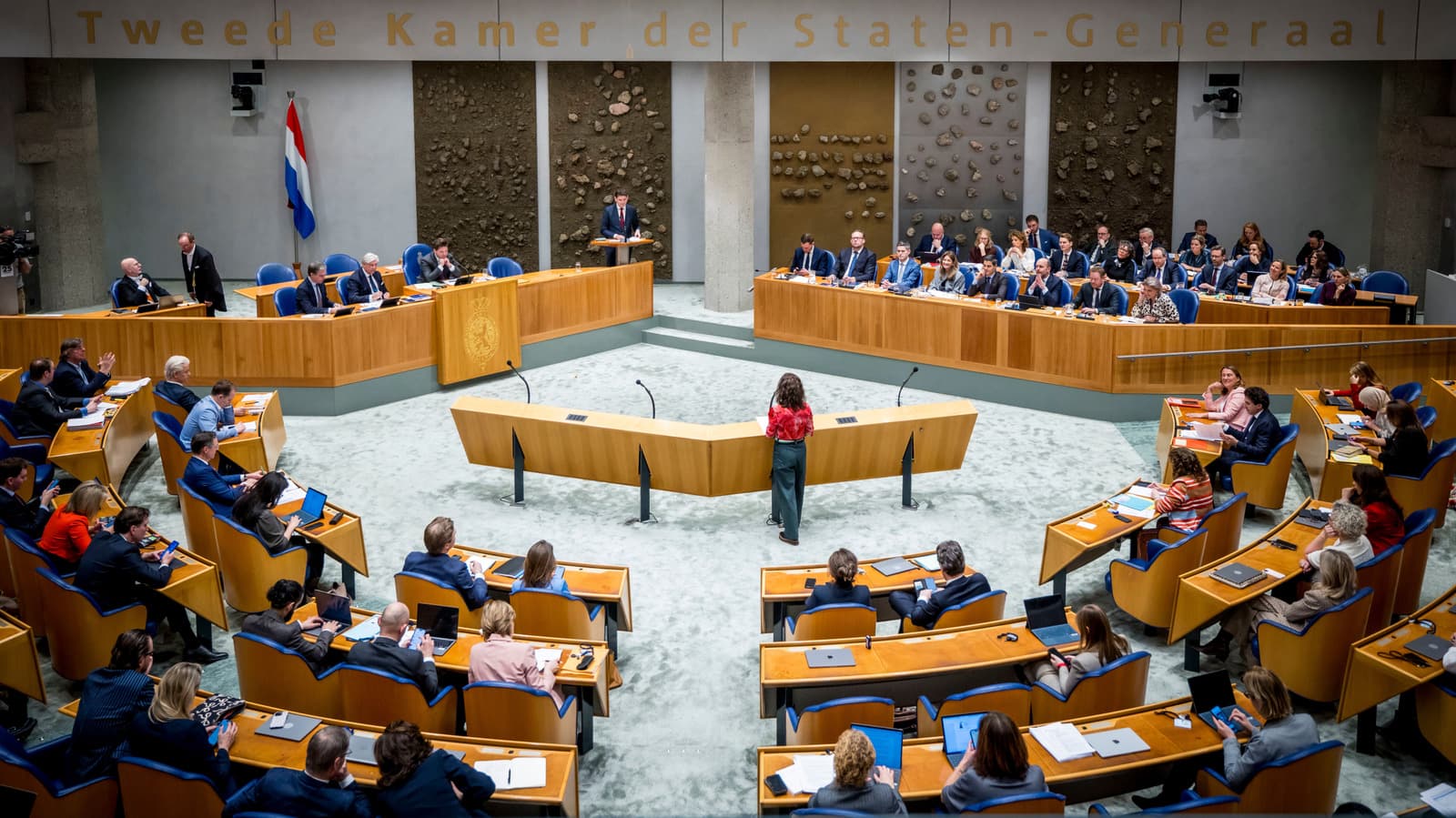
The Dutch government has announced plans to reduce its workforce by 25,000 full-time positions by 2035, leveraging AI to achieve cost savings of 3.5 billion euros. The initiative targets 900 million euros in savings by 2027, with AI deployment set to play a central role in improving productivity. Police and defense agencies will not be affected by the cuts.

Editor, Lazyfounder
30 SEC SUMMARY
- The Dutch government plans to cut 25,000 full-time jobs by 2035 as part of an AI-driven efficiency initiative.
- Cost savings targets are 900 million euros by 2027 and 3.5 billion euros by 2035.
- Police and defense agencies are exempt from the job cuts.
- AI deployment will be used to improve productivity and reduce costs, with plans finalized by early 2027.
KEY HIGHLIGHTS
- 25,000 full-time jobs to be eliminated in the Dutch government by 2035.
- Cost-cutting targets: 900 million euros by 2027 and 3.5 billion euros by 2035.
- Police and defense agencies excluded from job reductions.
- AI deployment planned to enhance productivity and reduce operational costs.
- Detailed AI goals and savings plans to be released in early 2027.
AI-driven job cuts and cost targets
The Dutch government will eliminate 25,000 full-time jobs by 2035 as part of an efficiency drive centered on AI adoption. The plan aims to reduce costs by 900 million euros by 2027, scaling to 3.5 billion euros by 2035. According to Engadget, the initiative reflects a broader push to streamline government operations.
State Secretary Eric van der Burg described the effort as a move toward a "simpler, smarter, and smaller" government. The job cuts will not apply universally: police and defense agencies are excluded from the reductions.
AI deployment timeline
The government’s AI deployment strategy will be detailed in early 2027, when specific goals and savings plans are expected to be released. The focus on AI is intended to offset workforce reductions while maintaining or improving productivity across remaining roles.
While the timeline extends to 2035, the phased approach suggests near-term opportunities for AI-driven solutions in areas outside national security and law enforcement.
Related policy context
This announcement follows earlier negotiations between the Dutch government and Tata Steel, which extended the deadline for finalizing a green steel project agreement to March 2027. The delay underscored the complexities of aligning regulatory, financial, and operational priorities within large-scale government initiatives.
What this means
Lazyfounder analysis — our interpretation, not reported fact.
The Dutch government’s plan to replace 25,000 jobs with AI-driven efficiencies signals a growing appetite for automation in public-sector cost-cutting. For startups, this could translate into demand for AI tools tailored to government workflows—particularly in administrative, regulatory, and service delivery roles. However, the exemption of police and defense highlights that not all sectors are equally open to automation, likely due to security and reliability concerns. Founders should note the 2027 timeline for AI roadmaps, which may shape procurement cycles and pilot opportunities. The broader takeaway: cost pressures in public administration could accelerate adoption of productivity technologies, but success will depend on addressing sector-specific constraints.
Key takeaways
- Founders in govtech and AI-driven productivity tools may see new opportunities as the Dutch government scales AI adoption to replace roles.
- The exemption of police and defense suggests sectors with high-security demands may resist similar cost-cutting measures.
- The timeline for AI implementation provides a window for startups to align offerings with anticipated government needs.
Related on Lazyfounder
Sources
- Engadget · 2026-10-26
Dutch Government To Cut 16 Percent Of Workforce As Part Of AI Efficiency Push
This story is an original summary drafted with AI by Lazyfounder from the reporting listed above and checked by automated validation. Facts are attributed to their original publishers; sections marked as analysis are Lazyfounder's. Where a source is in another language, facts were machine-translated and quotations are reported, not reproduced. Read the original coverage via the links, and see our AI policy and corrections policy.

About the author
Editor, Lazyfounder
Tarun Mottlia edits LazyFounders, covering Indian startups, funding rounds, AI and product launches. Every story on the site is AI-assisted and checked against its cited sources before publication.
More stories by Tarun MottliaGet the LazyFounder Brief
Startup, funding and AI news in a five-minute read. Join the early-access list.
