
Dell XPS Googlebook review calls Googlebook OS flawed and underdeveloped
Dell’s latest XPS Googlebook, running Google’s new Googlebook OS, has been reviewed as a device with premium hardware but a flawed and underdeveloped operating system. Priced at $1,000, the laptop combines Android and ChromeOS but lacks optimized app support and reliable syncing features. Meanwhile, Dell’s Pro Max Tower T2 workstation, designed for AI and creative workloads, has been praised for its performance despite its high price tag.

Editor, Lazyfounder
A premium laptop with a flawed OS
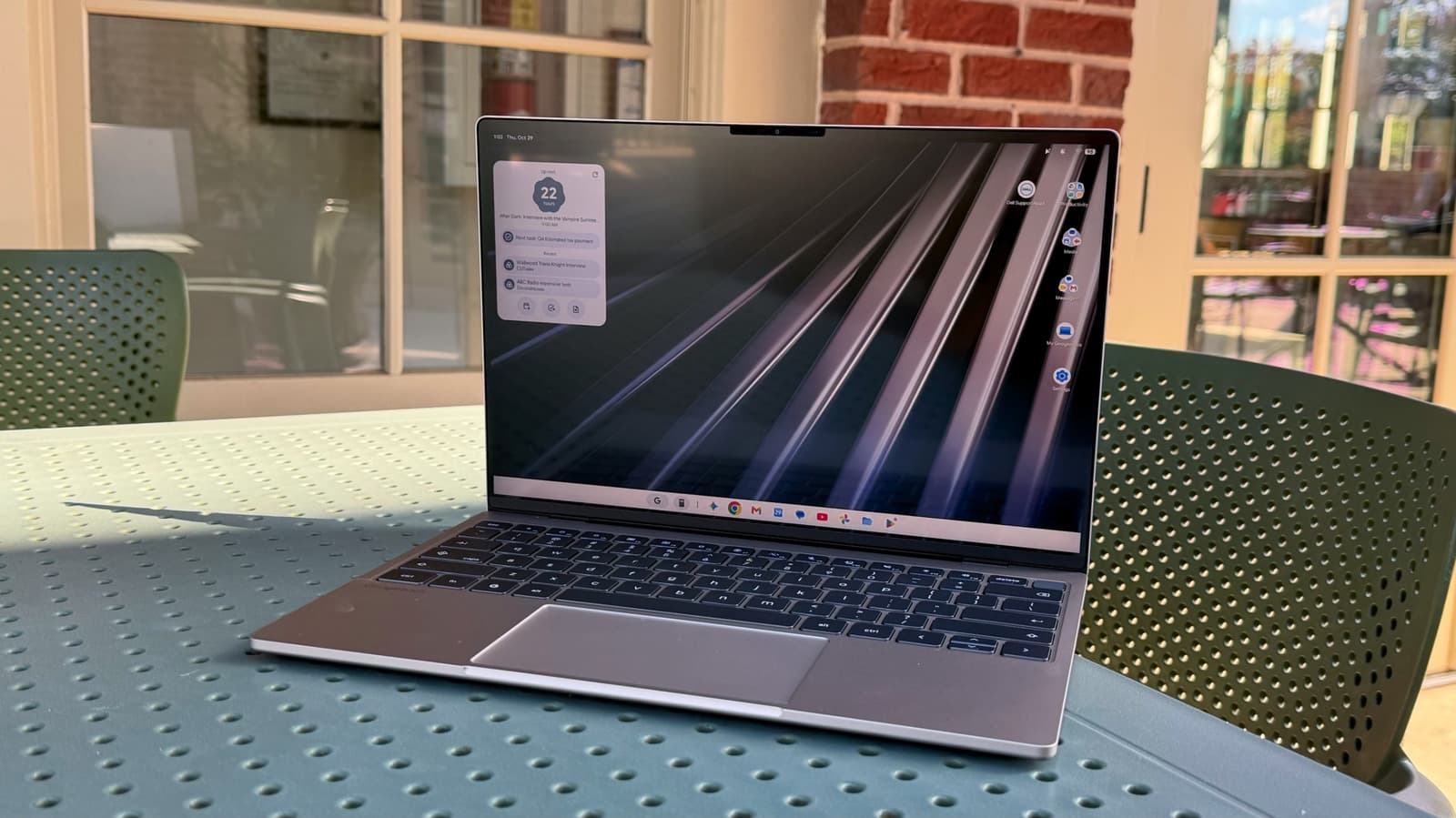
The Dell XPS Googlebook, priced at $1,000, runs Google’s newly launched Googlebook OS, a platform that merges Android and ChromeOS. According to Engadget, the device features premium hardware, including a 13.4-inch InfinityEdge screen, a Qualcomm Snapdragon X Elite chip, 16GB of RAM, and a lightweight 2.2-pound metal design.
Despite its hardware strengths, the Googlebook OS has been criticized for its lack of optimized Android app support. Essential productivity apps like Slack and Evernote either function poorly or are unavailable on the platform. The reviewer described the experience as feeling "trapped in a computing stripmall," with limited app compatibility and redundant syncing features.
Engadget rated the XPS Googlebook 6.5 out of 10, citing the operating system’s immaturity as the primary reason for the low score. The reviewer recommended the $999 Windows 11 XPS 13 instead, praising its mature OS and broader app ecosystem.
A workstation built for AI and enterprise workloads
Dell’s Pro Max Tower T2 workstation has garnered attention for its high-end specifications and performance. According to TechRadar, the workstation received a 4.5-star rating and a "TechRadar Pro Highly Recommended" badge. It is designed for AI developers, enterprise professionals, and creative studio engineers, supporting up to 128GB of memory and 4TB of storage.
Priced at $16,780 when configured with an Nvidia RTX Pro 6000 Blackwell GPU, the workstation is positioned as a powerhouse for complex workloads, including AI, 3D modeling, and 4K/6K video editing. The GPU itself retails for $15,799 at EmpoweredPC and $17,999 at Newegg, making the workstation a relative bargain for professionals in need of high-performance hardware.
The base configuration includes 256GB of storage, with options to upgrade to 4TB. The workstation’s performance in AI and creative workloads has been praised, though its high price may limit its appeal to enterprise and studio customers.
What this means
Lazyfounder analysis — our interpretation, not reported fact.
For founders and operators, the Dell XPS Googlebook’s reception highlights the risks of entering a crowded market with an unproven operating system. Googlebook OS’s limitations—poor app support, syncing issues, and a lack of optimization—underscore the challenges of competing with established platforms like Windows and macOS. Startups developing software or hardware for niche markets must prioritize ecosystem maturity and user experience to avoid similar pitfalls.
On the other hand, Dell’s Pro Max Tower T2 demonstrates the demand for high-performance hardware in AI and creative industries. The workstation’s pricing quirk, where the system is cheaper than the GPU alone at third-party retailers, signals an opportunity for companies to offer bundled solutions that appeal to enterprise and professional users. For founders targeting AI workloads, the T2’s performance and expandability serve as a benchmark for what customers expect in this space.
Related on Lazyfounder
Sources
- Engadget · 2026-11-02
Dell XPS Googlebook Review: Beautiful Hardware For A Useless Platform - TechRadar · 2026-11-02
Bizarre Dell Pro Max Tower T2 workstation pricing quirk makes it cheaper than the Nvidia Blackwell GPU inside it
This story is an original summary drafted with AI by Lazyfounder from the reporting listed above and checked by automated validation. Facts are attributed to their original publishers; sections marked as analysis are Lazyfounder's. Where a source is in another language, facts were machine-translated and quotations are reported, not reproduced. Read the original coverage via the links, and see our AI policy and corrections policy.

About the author
Editor, Lazyfounder
Tarun Mottlia edits LazyFounders, covering Indian startups, funding rounds, AI and product launches. Every story on the site is AI-assisted and checked against its cited sources before publication.
More stories by Tarun MottliaGet the LazyFounder Brief
Startup, funding and AI news in a five-minute read. Join the early-access list.
