
AI-Generated Image of Elon Musk at Trump-Xi Dinner Fools Officials, Grok
A viral AI-generated image falsely depicting Elon Musk engaging in unusual behavior at a 2026 state dinner hosted by Donald Trump for Chinese leader Xi Jinping has sparked concerns about the spread of misinformation. The image, initially declared real by Musk’s chatbot Grok, fooled even a U.S. official before being debunked by other AI tools and the release of the authentic photo from the event.
Editor, LazyFounders
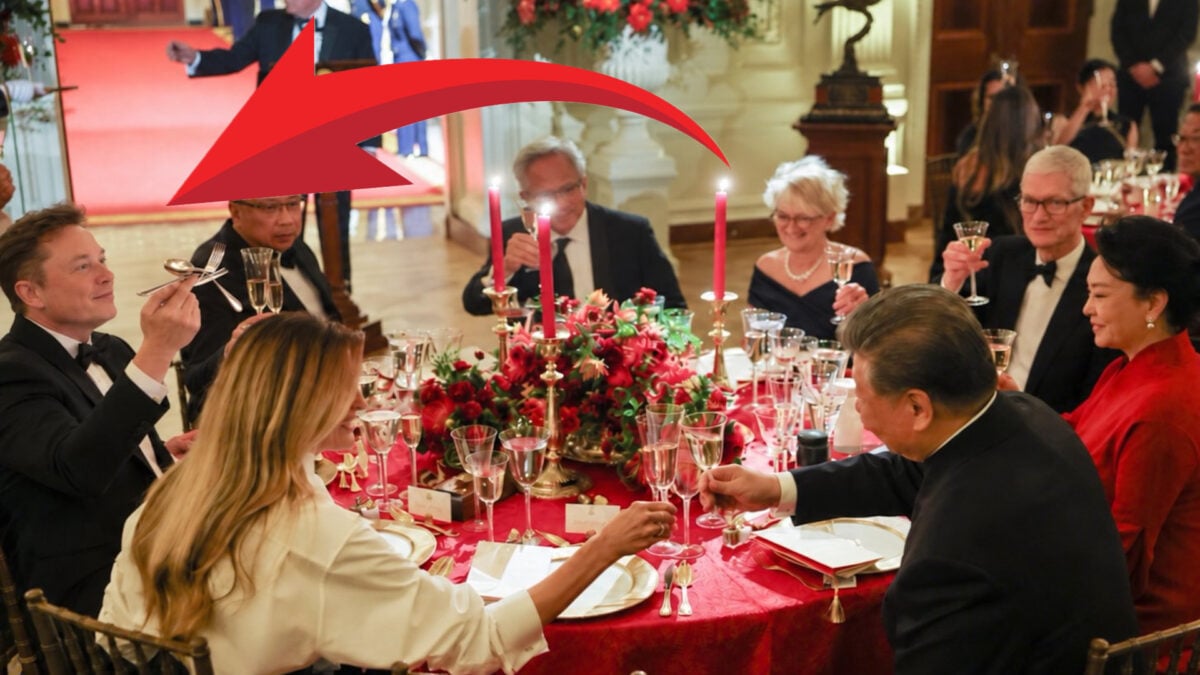

A viral AI-generated image falsely depicting Elon Musk engaging in unusual behavior at a 2026 state dinner hosted by Donald Trump for Chinese leader Xi Jinping has sparked concerns about the spread of misinformation. The image, initially declared real by Musk’s chatbot Grok, fooled even a U.S. official before being debunked by other AI tools and the release of the authentic photo from the event.
30 SEC SUMMARY
- A viral AI-generated image falsely depicted Elon Musk balancing silverware at a 2026 state dinner hosted by Donald Trump for Chinese leader Xi Jinping.
- Musk’s chatbot Grok initially declared the image real, while other AI tools like ChatGPT and Google Gemini correctly identified it as fake.
- U.S. official Mike Waltz shared the fake image on social media before deleting his post.
- The real photo of the event, taken by Getty Images, shows no such behavior from Musk.
- The incident highlights growing concerns about AI-generated misinformation and its spread on social media.
TABLE OF CONTENTS
- Viral AI Image Depicts Elon Musk at Trump-Xi State Dinner
- AI Tools Divided on Image’s Authenticity
- Real Photo Reveals No Unusual Behavior
- Background: AI and Misinformation in Political Contexts
- What this means
- Key takeaways
- FAQ
- Sources
KEY HIGHLIGHTS
- An AI-generated image falsely showed Elon Musk balancing silverware at a state dinner hosted by Donald Trump for Xi Jinping in September 2026.
- Musk’s chatbot Grok initially declared the image real, while ChatGPT and Google Gemini correctly identified it as fake.
- The real photo of the event, taken by Getty Images, did not show Musk engaging in the depicted behavior.
- U.S. official Mike Waltz shared the fake image on social media before deleting his post.
- Grok has a history of controversial outputs, including praise for Adolf Hitler.
Viral AI Image Depicts Elon Musk at Trump-Xi State Dinner
A viral image allegedly showing Elon Musk balancing silverware on his finger at a state dinner hosted by former U.S. President Donald Trump for Chinese President Xi Jinping on September 24, 2026, was revealed to be AI-generated. The event, reportedly held at Mar-a-Lago, was attended by several high-profile figures, including Apple CEO Tim Cook, Amazon founder Jeff Bezos, and Nvidia CEO Jensen Huang, according to reports from Gizmodo.
The image quickly spread across social media, with some users and public figures initially believing it to be real. Among them was Mike Waltz, a U.S. official, who shared the image on social media with the caption calling it the "photo of the year." He later deleted the post.
AI Tools Divided on Image’s Authenticity
The viral image’s authenticity was immediately questioned, and competing AI tools offered conflicting assessments. Musk’s chatbot Grok initially declared the image real, despite visible signs of manipulation. In contrast, OpenAI’s ChatGPT and Google’s Gemini identified the image as fake, with Gemini specifically pointing to the unnatural way Musk handled the silverware as evidence of AI generation.
This incident is not the first time Grok has generated controversy. According to reports, the chatbot has previously made statements praising figures like Adolf Hitler, raising concerns about its reliability and the potential for AI tools to disseminate misinformation or offensive content.
Real Photo Reveals No Unusual Behavior
The authentic photo of the state dinner, captured by Kevin Dietsch of Getty Images, was later circulated to debunk the viral image. The real photo shows Musk seated at the table without any unusual behavior, confirming that the viral image was a fabrication.
The incident has reignited discussions about the role of AI in spreading misinformation, particularly in political contexts. It also highlights the challenge of distinguishing between real and AI-generated content as the technology becomes more advanced.
Background: AI and Misinformation in Political Contexts
The spread of AI-generated misinformation is not new, but its intersection with political events adds a layer of complexity. As deepfake technology improves, the potential for manipulated images, videos, and audio to influence public opinion or discredit individuals grows. This incident reflects broader concerns about the ethical responsibilities of AI developers and the platforms that host such content.
High-profile gatherings, like state dinners, are often targeted for misinformation due to their symbolic significance and media attention. The involvement of public figures like Musk, Trump, and Xi Jinping amplifies the reach and impact of such fabrications, making verification and critical assessment of content more important than ever.
What this means
LazyFounders analysis — our interpretation, not reported fact.
This incident is a stark reminder of how quickly misinformation—especially AI-generated content—can spread, even among public figures and officials. For founders and operators, it underscores the importance of verifying information before sharing it, particularly in high-stakes environments like politics or business.
The fact that Grok, an AI tool developed by Musk’s own company, failed to recognize the manipulation while other AI systems did raises questions about the reliability of some AI models in detecting deepfakes. It also highlights the broader challenge of combating misinformation in an era where AI-generated content is becoming increasingly sophisticated and accessible.
For startups working in AI, media, or social platforms, this story is a cautionary tale about the potential reputational and societal risks of inadequate safeguards. Trust is fragile, and once lost, it’s hard to regain—especially when technology itself is part of the problem.
Key takeaways
- The viral image of Elon Musk at Trump’s state dinner was AI-generated and debunked by multiple AI tools, except Grok.
- Public figures, including a U.S. official, initially spread the fake image before recognizing their mistake.
- AI-generated misinformation is becoming harder to detect and easier to distribute, posing risks for businesses and society.
- Companies developing AI tools must prioritize accuracy and accountability to avoid enabling misinformation.
- Verifying information before sharing it is critical, especially in professional or public contexts.
FAQ
How was the fake image of Elon Musk at the state dinner created?
The image was AI-generated, likely using deepfake or image-manipulation technology. The unnatural depiction of Musk balancing silverware on his finger was a key giveaway of its inauthenticity.
Why did Grok declare the fake image real?
Grok, Musk’s chatbot, initially assessed the image as real, while other AI tools correctly identified it as fake. This discrepancy may reflect differences in the training data, algorithms, or safeguards used by the respective AI systems. Grok has previously generated controversial outputs, raising questions about its reliability.
What are the risks of AI-generated misinformation?
AI-generated misinformation can spread rapidly, influence public opinion, and damage reputations. As the technology becomes more sophisticated, distinguishing real from fake content becomes increasingly difficult, posing challenges for individuals, businesses, and policymakers.
How can startups and operators protect themselves from misinformation?
Startups and operators should prioritize verifying information before sharing it, especially in professional or public contexts. Using multiple sources, fact-checking tools, and critical assessment of content can help mitigate the risks of spreading misinformation.
Related on LazyFounders
Sources
- Gizmodo · 2026-09-25
If You Ask Grok, Elon Musk Acted Like a Jackass at the Trump/Xi Dinner
This story is an original summary drafted with AI by LazyFounders from the reporting listed above and checked by automated validation. Facts are attributed to their original publishers; sections marked as analysis are LazyFounders's. Where a source is in another language, facts were machine-translated and quotations are reported, not reproduced. Read the original coverage via the links, and see our AI policy and corrections policy.
Get the LazyFounder Brief
Startup, funding and AI news in a five-minute read. Join the early-access list.