
Meta Announces Petal: A Petabit Subsea Cable for 2029
Meta has unveiled plans for **Petal**, a subsea cable system capable of carrying **1 petabit of data per second** between the United States and France. The 4,300-mile cable, set to launch in 2029, aims to double existing transoceanic capacity without additional power equipment, using cutting-edge multi-core fiber technology.
Editor, LazyFounders
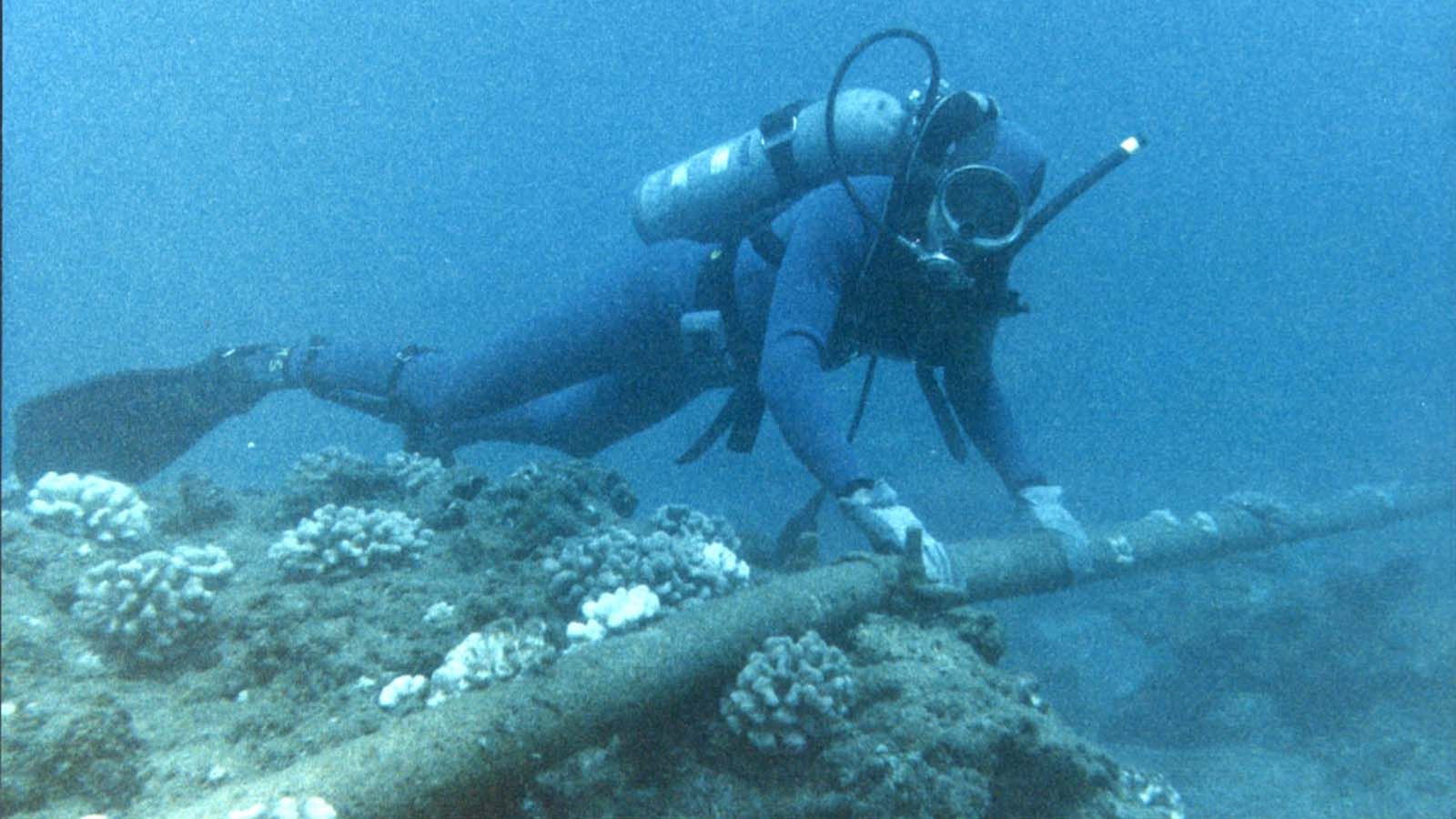

Meta has unveiled plans for Petal, a subsea cable system capable of carrying 1 petabit of data per second between the United States and France. The 4,300-mile cable, set to launch in 2029, aims to double existing transoceanic capacity without additional power equipment, using cutting-edge multi-core fiber technology.
30 SEC SUMMARY
- Meta has announced the Petal subsea cable system, capable of carrying 1 petabit of data per second between the U.S. and France.
- The 4,300-mile cable is expected to enter commercial service in 2029 and will use multi-core fiber technology to double transoceanic capacity.
- Petal aims to be 3.3 million times faster than the average U.S. home internet connection.
- The project leverages a lower-power repeater design and 48 spatial channels for efficiency and resilience.
- Meta has backed over 20 subsea cable projects, including this one as part of its broader Project Waterworth initiative.
TABLE OF CONTENTS
- Meta Announces Petal, a Petabit-Scale Subsea Cable
- Technological Advancements and Efficiency
- Timeline and Challenges
- Context: Subsea Cables and Global Internet Traffic
- What this means
- Key takeaways
- FAQ
- Sources
KEY HIGHLIGHTS
- Meta announces Petal, a subsea cable system capable of carrying 1 petabit of data per second between the U.S. and France.
- The 4,300-mile cable will use multi-core fiber technology with 48 spatial channels, doubling the capacity of Meta’s earlier Anjana system.
- Petal is expected to enter commercial service in 2029 and could be 3.3 million times faster than the average U.S. home internet connection.
- The system is designed to double existing transoceanic capacity without requiring additional power equipment.
- Meta has backed over 20 subsea cable projects, including Petal as part of its Project Waterworth initiative.
Meta Announces Petal, a Petabit-Scale Subsea Cable
Meta has revealed plans for the Petal subsea cable system, which aims to carry 1 petabit of data per second between the United States and France. According to TechRadar, the cable will span approximately 4,300 miles (7,000 kilometers) across the Atlantic Ocean.
If successful, Petal would represent a major leap in transoceanic data capacity, surpassing traditional cables that operate at terabit speeds. The system is expected to be roughly 3.3 million times faster than the average U.S. home internet connection, based on current broadband speeds.
Technological Advancements and Efficiency
Petal will utilize multi-core fiber technology to achieve its petabit-scale capacity. Unlike conventional systems, which use 24 fiber pairs, Petal will deploy 48 spatial channels, effectively doubling the capacity of Meta’s earlier Anjana cable system. This advancement is designed to double existing transoceanic capacity without requiring additional power equipment or new physical infrastructure.
The cable also incorporates a lower-power repeater design, allowing the entire system to run from a single feeding point. This innovation is intended to enhance resilience and reduce operational complexity.
Timeline and Challenges
Meta expects Petal to enter commercial service in 2029, though the project’s timeline depends on several factors. Regulatory approvals, ocean permitting, and manufacturing schedules will all play a critical role in determining whether the cable meets its target launch date.
The company has invested heavily in subsea cable infrastructure, backing more than 20 projects to date. Petal is part of Meta’s broader Project Waterworth initiative, which focuses on expanding global internet capacity to support rising demand for data transfer.
Context: Subsea Cables and Global Internet Traffic
Subsea cables currently carry approximately 99% of the world’s intercontinental internet traffic, forming the backbone of global digital communication. These cables enable everything from cloud computing to video streaming, making them critical to modern internet infrastructure.
Petal’s petabit-scale capacity is a response to the exponential growth in data consumption, driven by trends like artificial intelligence, high-definition content, and real-time communication tools. Meta’s investment in such projects reflects the company’s strategy to future-proof its infrastructure amid increasing demand.
What this means
LazyFounders analysis — our interpretation, not reported fact.
Petal is more than just a cable—it’s a bet on the future of global connectivity. For founders and operators, this announcement highlights three key insights:
First, infrastructure is still a competitive advantage. Meta’s investment in Petal underscores how critical scalable, high-capacity networks are to supporting next-generation applications, from AI training to immersive virtual experiences. Startups building on these platforms should expect faster, more reliable data transfer, but they’ll also face higher expectations for performance and efficiency.
Second, technological innovation isn’t limited to software. Petal’s use of multi-core fiber and lower-power repeaters shows that hardware advancements can deliver disproportionate gains in capacity and resilience. Founders in sectors like cloud computing, edge networking, or even IoT should watch how these innovations trickle down—could similar efficiency gains apply to their own infrastructure?
Finally, timelines matter. A 2029 launch date for Petal may seem distant, but the regulatory and logistical hurdles ahead are significant. For startups relying on similar infrastructure projects—whether for expansion or product development—this is a reminder to plan for uncertainty. Contingency strategies, such as hybrid cloud architectures or redundant networks, will remain essential until these next-gen systems are proven and widely available.
Key takeaways
- Petal represents a significant leap in subsea cable capacity, moving from terabit to petabit-scale data transfer.
- The cable’s multi-core fiber technology allows it to double existing transoceanic capacity without additional power equipment.
- Meta’s investment in Petal underscores its commitment to scaling global digital infrastructure amid rising demand for data.
- Regulatory approvals, ocean permitting, and manufacturing timelines will determine whether Petal meets its 2029 launch target.
FAQ
What is Petal, and why does it matter?
Petal is a subsea cable system announced by Meta, designed to carry 1 petabit of data per second between the U.S. and France. It matters because it represents a significant leap in transoceanic data capacity, enabling faster and more reliable internet traffic for global users and businesses.
How fast is Petal compared to existing cables?
Petal is projected to be 3.3 million times faster than the average U.S. home internet connection. Traditional transatlantic cables operate at terabit speeds, while Petal aims for petabit scale—roughly a million gigabits per second.
When will Petal be available?
Meta expects Petal to enter commercial service in 2029, but the timeline depends on regulatory approvals, ocean permitting, and manufacturing progress.
Who are Meta’s partners for the Petal project?
Meta is working with NEC Corporation, which handles subsea network solutions, and Sumitomo Electric Industries, a provider of optical fiber and cable technology.
How does Petal’s technology differ from existing cables?
Petal uses multi-core fiber technology with 48 spatial channels, doubling the capacity of Meta’s earlier Anjana system. It also features a lower-power repeater design, allowing the entire cable to run from a single feeding point for added resilience.
Related on LazyFounders
Sources
This story is an original summary drafted with AI by LazyFounders from the reporting listed above and checked by automated validation. Facts are attributed to their original publishers; sections marked as analysis are LazyFounders's. Where a source is in another language, facts were machine-translated and quotations are reported, not reproduced. Read the original coverage via the links, and see our AI policy and corrections policy.
Get the LazyFounder Brief
Startup, funding and AI news in a five-minute read. Join the early-access list.
