
Typhus Outbreak in Los Angeles: Second Major Cluster of 2026 Investigated
Los Angeles County is responding to a localized outbreak of flea-borne typhus in the Wilshire Center neighborhood, marking the second major cluster of the disease in the city this year. While all infected individuals have recovered, the outbreak underscores a broader rise in typhus cases across the county—and a shifting risk profile for urban residents.
Editor, LazyFounders
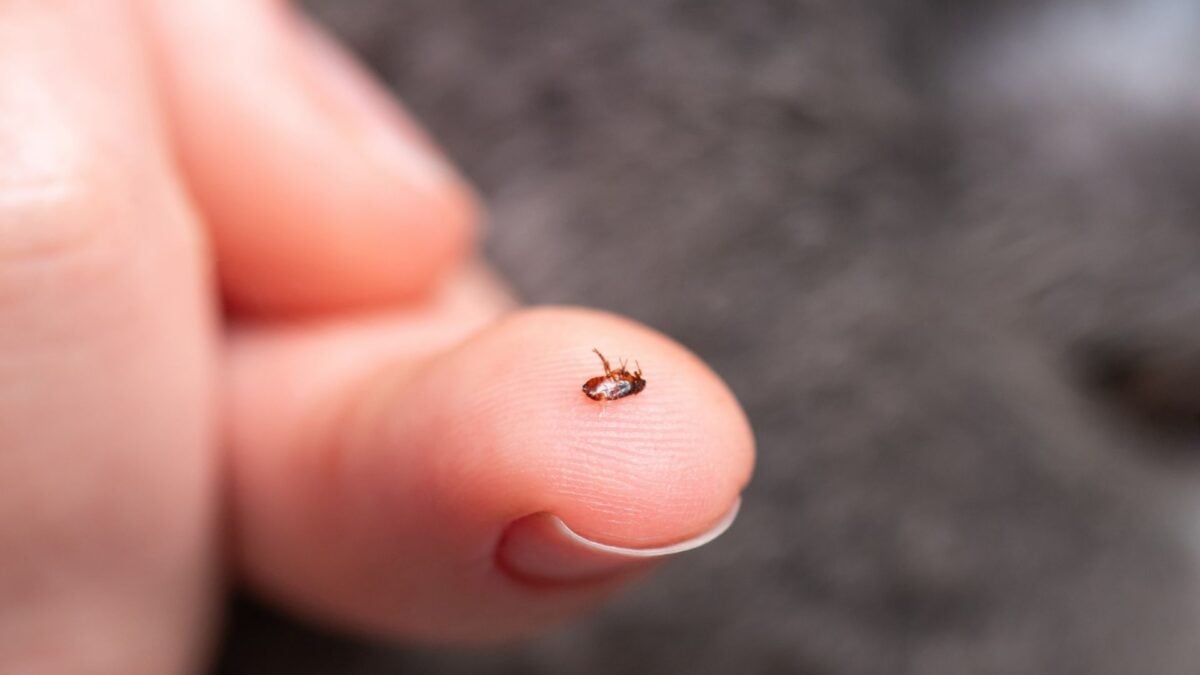

Los Angeles County is responding to a localized outbreak of flea-borne typhus in the Wilshire Center neighborhood, marking the second major cluster of the disease in the city this year. While all infected individuals have recovered, the outbreak underscores a broader rise in typhus cases across the county—and a shifting risk profile for urban residents.
30 SEC SUMMARY
- Los Angeles County is investigating a localized flea-borne typhus outbreak in Wilshire Center, with seven cases and six hospitalizations.
- This is the second major typhus outbreak in Los Angeles this year, amid a broader rise in countywide cases.
- Typhus cases in 2026 have reached 109, below the 2025 record but above pre-2020 levels.
- The disease, caused by Rickettsia typhi, can lead to severe symptoms but is preventable through flea control and hygiene.
- While homeless populations are at higher risk, this year’s cases span diverse socioeconomic groups.
TABLE OF CONTENTS
- Outbreak Details
- Broader Trends
- Risk Factors and Prevention
- Developing: what is not yet confirmed
- What this means
- Key takeaways
- FAQ
- Sources
KEY HIGHLIGHTS
- Los Angeles County is investigating a flea-borne typhus outbreak in Wilshire Center, with seven cases and six hospitalizations.
- This is the second major typhus outbreak in the city this year, following an earlier cluster in Pico-Union.
- Countywide, 109 typhus cases have been reported in 2026, exceeding pre-2020 levels but below the 2025 record.
- While homeless populations are at higher risk, recent cases span diverse socioeconomic groups.
- Preventive measures include flea control for pets, avoiding wildlife, and maintaining clean environments.
Outbreak Details
According to Gizmodo, the Los Angeles County Department of Public Health is investigating a localized outbreak of flea-borne typhus in the Wilshire Center neighborhood. The outbreak has resulted in at least seven confirmed cases, with six individuals requiring hospitalization. All infected individuals have since recovered.
This is the second significant typhus cluster in Los Angeles this year. An earlier outbreak in the Pico-Union neighborhood sickened five people, all of whom were also hospitalized but recovered.
Broader Trends
Los Angeles County has recorded 109 typhus cases so far in 2026, a figure lower than the 2025 record of 220 cases but higher than pre-2020 averages. According to reports, cases typically peak in late summer and fall.
Flea-borne typhus is caused by the bacterium Rickettsia typhi and is transmitted through infected fleas, often carried by urban wildlife like rats, opossums, and feral cats. Symptoms include fever, headache, vomiting, and a distinctive rash, though the disease is rarely fatal with treatment.
Risk Factors and Prevention
While people experiencing homelessness are at higher risk due to increased exposure to fleas and host animals, recent outbreaks have affected individuals across a range of housing and socioeconomic circumstances. Health officials emphasize that urban density and wildlife proximity play a role in transmission.
Preventive measures, as reported by Gizmodo, focus on reducing flea exposure. Recommendations include treating pets for fleas, avoiding contact with wild animals, storing food securely to deter pests, and maintaining clean yards and living spaces.
Developing: what is not yet confirmed
The following is reported but has not been independently confirmed.
Some reports suggest that the current outbreak may be linked to broader environmental or public health challenges in Los Angeles, though these claims remain unverified. The Los Angeles County Department of Public Health has not confirmed any specific cause beyond flea transmission.
What this means
LazyFounders analysis — our interpretation, not reported fact.
For startup founders and operators—especially those in public health tech, urban planning, or insurance—this outbreak highlights persistent gaps in urban pest control and disease surveillance. Typhon’s resurgence in dense, diverse cities like Los Angeles suggests opportunities for preventive tech (e.g., AI-driven pest tracking, low-cost flea control solutions) or data platforms to improve outbreak prediction. The broadening risk profile—no longer confined to homeless populations—also signals a growing market for workplace and residential safety products. Founders should watch how local governments respond, as policy shifts or funding could create openings for public-private partnerships.
Key takeaways
- Los Angeles County is investigating a localized typhus outbreak in Wilshire Center, with seven cases and six hospitalizations reported.
- This is the second major outbreak in the city this year, reflecting a sustained rise in flea-borne typhus cases countywide.
- Typhus, caused by Rickettsia typhi, can cause severe symptoms like fever, headache, and rash, but all recent cases have recovered.
- While homeless populations face higher risk, 2026 cases include individuals from varied housing and socioeconomic backgrounds.
- Prevention focuses on flea control, avoiding wildlife, and maintaining clean living spaces, but urban density complicates these efforts.
FAQ
What is flea-borne typhus?
Flea-borne typhus is a bacterial disease caused by Rickettsia typhi. It is transmitted to humans through infected fleas, often carried by rodents, opossums, or feral cats. Symptoms include fever, headache, vomiting, and a rash, though most cases resolve with treatment.
Why is Los Angeles experiencing more typhus outbreaks?
Reported increases in typhus cases may be linked to urban density, wildlife proximity, and environmental factors like warm weather, which can accelerate flea activity. While homeless populations remain at higher risk, recent cases suggest the disease is affecting broader socioeconomic groups.
How can typhus be prevented?
Prevention focuses on reducing flea exposure: treating pets for fleas, avoiding contact with wild animals, securing food sources to deter pests, and keeping yards and homes clean. Public health agencies also recommend reporting rodent or stray animal activity to local authorities.
Related on LazyFounders
Sources
- Gizmodo · 2026-09-25
Los Angeles Has a Flea Problem—and It’s Fueling Typhus Outbreaks
This story is an original summary drafted with AI by LazyFounders from the reporting listed above and checked by automated validation. Facts are attributed to their original publishers; sections marked as analysis are LazyFounders's. Where a source is in another language, facts were machine-translated and quotations are reported, not reproduced. Read the original coverage via the links, and see our AI policy and corrections policy.
Get the LazyFounder Brief
Startup, funding and AI news in a five-minute read. Join the early-access list.
