
Apple Lockdown Mode sacrifices usability to block spyware like Pegasus
Apple’s Lockdown Mode, introduced in 2022, is an extreme security feature for iPhones, iPads, and Macs. It blocks commercial spyware like NSO’s Pegasus but disables many common features, making it a tool only for those at the highest risk of targeted attacks.

Editor, Lazyfounder
What Lockdown Mode does
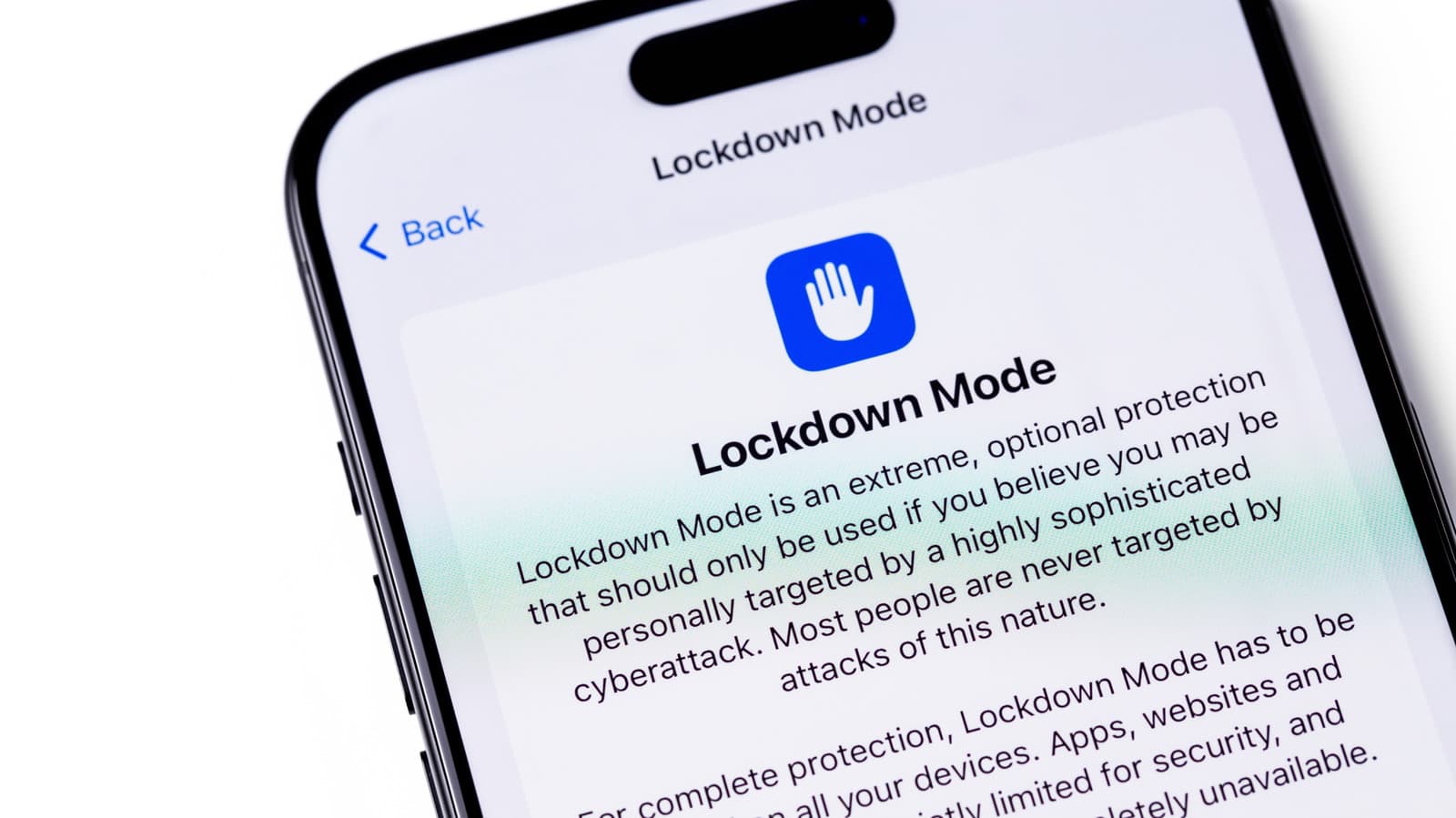
Apple introduced Lockdown Mode in 2022 as an extreme security feature for iPhones, iPads, and Macs. It is designed to protect users from commercial spyware such as NSO’s Pegasus, which has been used to target journalists, activists, and politicians.
The feature works by disabling many common functionalities. Most Message attachments and link previews are blocked, JavaScript execution in browsers is restricted, and FaceTime calls are limited to recent contacts only. Wired connections are disabled when the device is locked, and configuration profiles—often required by schools or employers—cannot be installed.
These restrictions make Lockdown Mode highly effective but impractical for everyday use. For example, websites may load slowly or fail to function due to JavaScript limitations, and users cannot install custom software or profiles required for work or education.
Who it protects
Lockdown Mode is not intended for the average user. It is specifically designed for individuals at high risk of targeted spyware attacks, such as journalists, activists, and government officials. Spyware like Pegasus is typically deployed by governments or other entities to monitor opponents or critics.
Apple has demonstrated the feature’s effectiveness: devices running Lockdown Mode were immune to the "Blastpass" exploit, which used iMessage to install Pegasus spyware. The company also offers a 100% bonus on its Security Bounty program for researchers who successfully bypass the feature, signaling its confidence in the protection it provides.
Users can customize Lockdown Mode to some extent. Certain contacts can be excluded from messaging restrictions, and specific websites or apps can be whitelisted to maintain functionality where necessary.
Broader context for Apple users
Lockdown Mode is part of Apple’s broader push to enhance security and privacy across its devices. Earlier this year, the company introduced passkeys as a replacement for passwords, aiming to reduce phishing and remote attacks. However, passkeys introduce new dependencies on device security, a consideration for users already relying on features like Lockdown Mode.
The introduction of Lockdown Mode also reflects growing concerns about the durability and security of Apple’s hardware. Reports of issues with the iPhone Duo’s hinge and screen—alongside Apple’s use of Presto technology to diagnose returned iPhones—highlight the company’s focus on balancing security, usability, and physical reliability.
What this means
Lazyfounder analysis — our interpretation, not reported fact.
Lockdown Mode is a rare example of a consumer-tech company offering a security feature that acknowledges the reality of state-sponsored surveillance. For most users, the trade-offs are too steep to justify enabling it, but its existence is a signal to founders and operators in the cybersecurity space: there is demand for products that prioritize protection over convenience, even if the market is niche. Apple’s approach also sets a benchmark for how far platforms might go to protect high-risk users, which could influence expectations for security features in enterprise and government software.
Related on Lazyfounder
Sources
- Engadget · 2026-10-27
iPhone Lockdown Mode: The Pros And Cons Of Enabling Apple's Security Feature
This story is an original summary drafted with AI by Lazyfounder from the reporting listed above and checked by automated validation. Facts are attributed to their original publishers; sections marked as analysis are Lazyfounder's. Where a source is in another language, facts were machine-translated and quotations are reported, not reproduced. Read the original coverage via the links, and see our AI policy and corrections policy.

About the author
Editor, Lazyfounder
Tarun Mottlia edits LazyFounders, covering Indian startups, funding rounds, AI and product launches. Every story on the site is AI-assisted and checked against its cited sources before publication.
More stories by Tarun MottliaGet the LazyFounder Brief
Startup, funding and AI news in a five-minute read. Join the early-access list.
