
Passkeys vs passwords: why tech giants are betting on cryptographic keys
Apple, Google, and Microsoft have adopted passkeys as a login standard, replacing passwords with cryptographic keys. While passkeys eliminate risks like phishing and remote attacks, they introduce new challenges, including dependence on device security and platform-specific ecosystems.

Editor, Lazyfounder
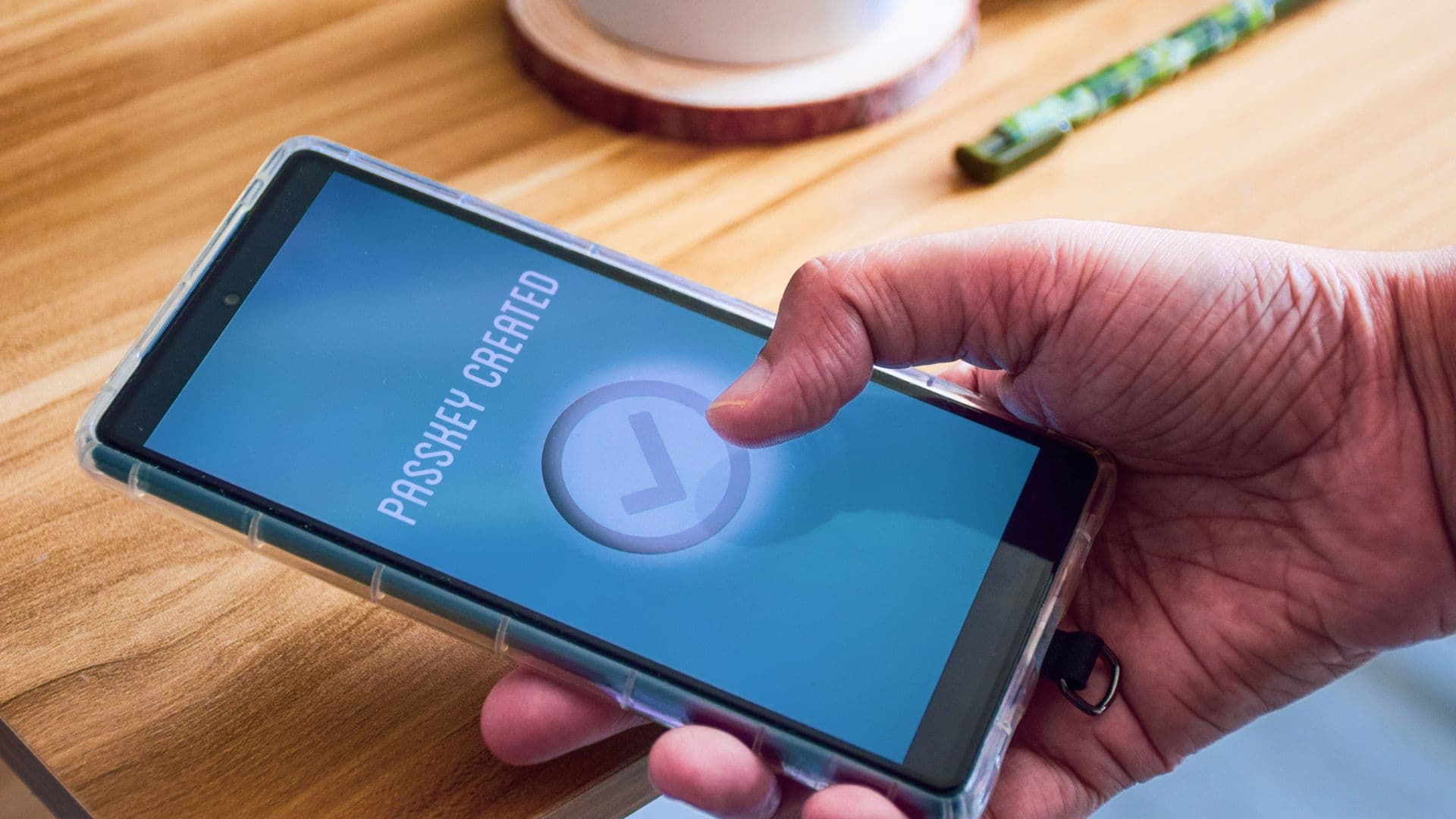
How passkeys work
Passkeys replace traditional passwords with cryptographic keys, eliminating the need for users to remember or store strings of characters. Instead, authentication relies on a pair of keys: one public key stored on a website’s servers and one private key securely stored on the user’s device. This system ensures that even if a server is breached, attackers cannot access the private key, which is required to complete the login.
To authenticate, users unlock their device using a biometric scan—such as a fingerprint or facial recognition—or a PIN. Critically, the biometric data never leaves the device. Companies like Apple, Google, and Microsoft only receive a mathematical proof of identity, not the raw biometric template.
Security advantages over passwords
Passkeys address key vulnerabilities of passwords. They are resistant to phishing attacks because there is no password to steal or intercept. Remote attacks are also ineffective, as the private key remains on the user’s device and is never transmitted during authentication.
Traditional passwords are frequently exposed in data breaches, often due to reuse across multiple sites. According to reports from TechRadar, millions of credentials end up on dark web marketplaces, enabling attackers to access email, banking, and social media accounts. Passkeys eliminate this risk by ensuring each login relies on a unique cryptographic key tied to a specific service.
New risks introduced by passkeys
While passkeys improve security, they introduce new dependencies. Physical access to an unlocked device—whether through theft or shared use—can compromise all passkey-secured accounts if the attacker knows the device’s PIN or bypasses biometric authentication.
Passkeys are also tightly integrated with specific platforms, such as Apple’s iCloud Keychain or Google’s Password Manager. This creates ecosystem lock-in, making it difficult for users to switch between devices or operating systems. For example, migrating passkeys from an iPhone to an Android device can be cumbersome, as noted in TechRadar’s analysis.
What this means
Lazyfounder analysis — our interpretation, not reported fact.
For founders and operators, the shift to passkeys reflects a broader industry move toward eliminating passwords—long considered a weak link in cybersecurity. However, the trade-offs are real. Startups building products that rely on user authentication must decide whether to adopt passkeys now or risk falling behind competitors who offer stronger security. At the same time, they must address the operational challenges: dependency on device security, platform-specific implementations, and user education about the risks of sharing or losing devices.
The adoption of passkeys by Apple, Google, and Microsoft signals that this technology is no longer experimental but a new standard. However, the risks of device access and ecosystem lock-in mean founders cannot treat passkeys as a silver bullet. They must design fallback mechanisms and contingency plans, particularly for users who lose access to their devices or switch platforms. This is especially relevant for products targeting global markets, where users frequently switch between devices and operating systems.
Related on Lazyfounder
Sources
- TechRadar · 2026-10-26
Are passkeys more secure than passwords?
This story is an original summary drafted with AI by Lazyfounder from the reporting listed above and checked by automated validation. Facts are attributed to their original publishers; sections marked as analysis are Lazyfounder's. Where a source is in another language, facts were machine-translated and quotations are reported, not reproduced. Read the original coverage via the links, and see our AI policy and corrections policy.

About the author
Editor, Lazyfounder
Tarun Mottlia edits LazyFounders, covering Indian startups, funding rounds, AI and product launches. Every story on the site is AI-assisted and checked against its cited sources before publication.
More stories by Tarun MottliaGet the LazyFounder Brief
Startup, funding and AI news in a five-minute read. Join the early-access list.
